A Comprehensive Engineering Evaluation, Fleet Sourcing Matrix, and Global Market Guide for Hospitality, Municipal, and Commercial LSV Fleets
Executive Intelligence Overview: The global low-speed vehicle (LSV) and electric commercial shuttle cart market has reached a critical technological inflection point. Transitioning rapidly away from traditional 48-volt flooded lead-acid platforms, modern high-efficiency shuttle systems now mandate integrated automotive-grade lithium iron phosphate (LiFePO4) power cells, CAN-bus telematics architecture, variable-frequency AC asynchronous drive motors, and modular lightweight chassis engineering. As hospitality resorts, corporate campuses, municipal parks, international airports, and planned residential communities transition toward zero-carbon micro-mobility operations, sourcing managers face an intricate landscape of equipment manufacturers and suppliers.
This B2B procurement white paper delivers a multi-dimensional benchmarking assessment of the Top 10 Shuttle Cart Suppliers worldwide. Based on certified manufacturing capacity, engineering tolerance standards, total cost of ownership (TCO) analytics, and verified on-site facility audits, this guide serves as an authoritative technical reference for global fleet operators and commercial distributors.
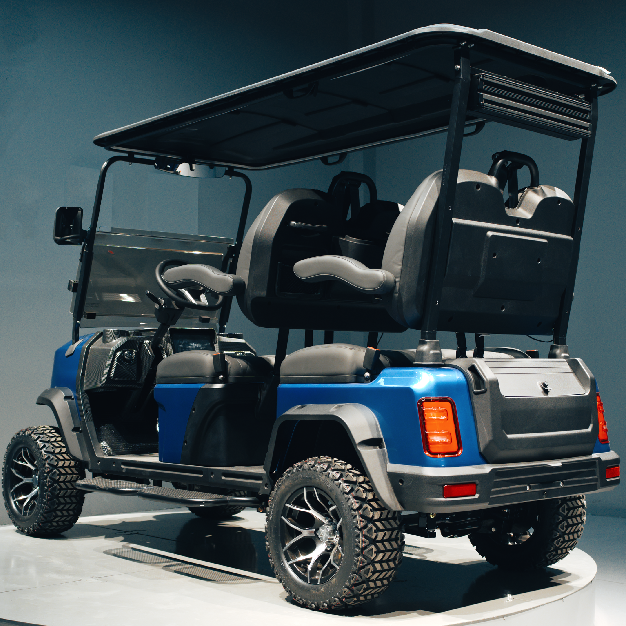
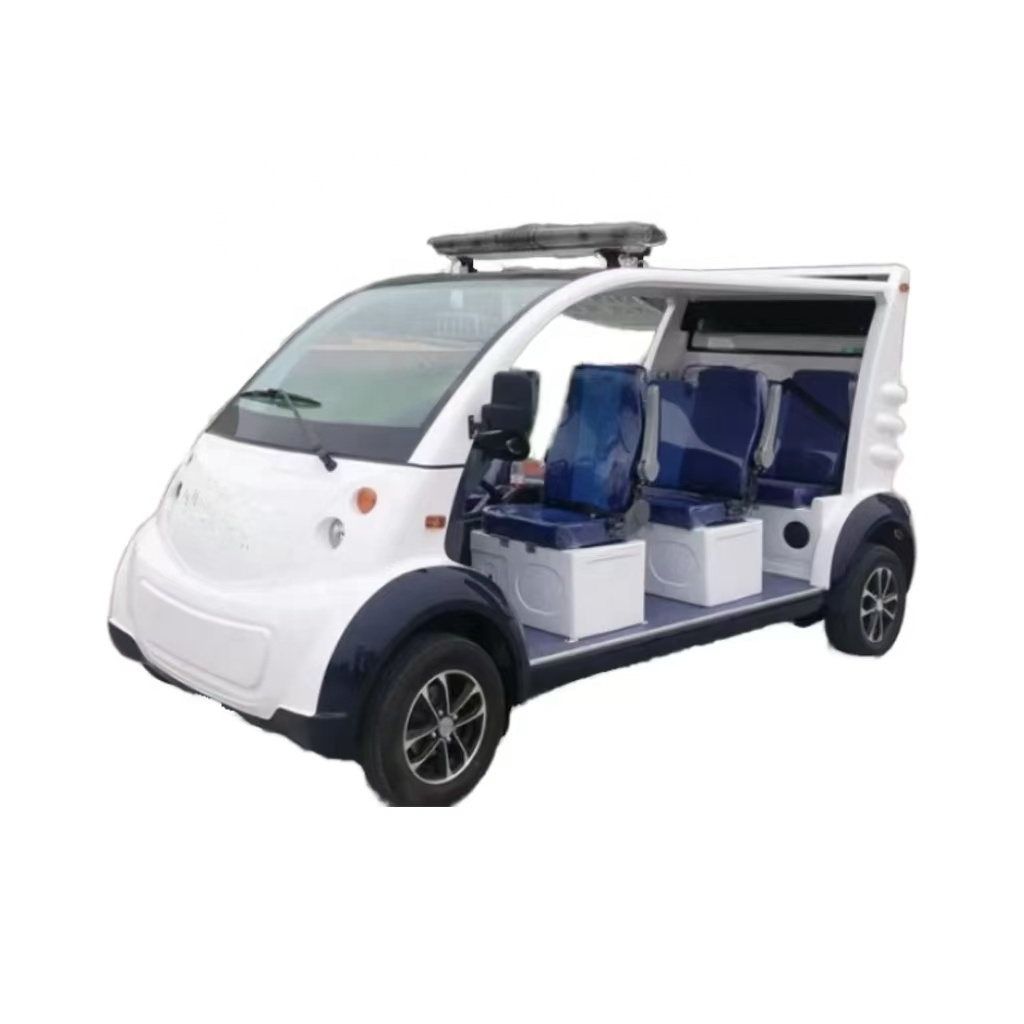
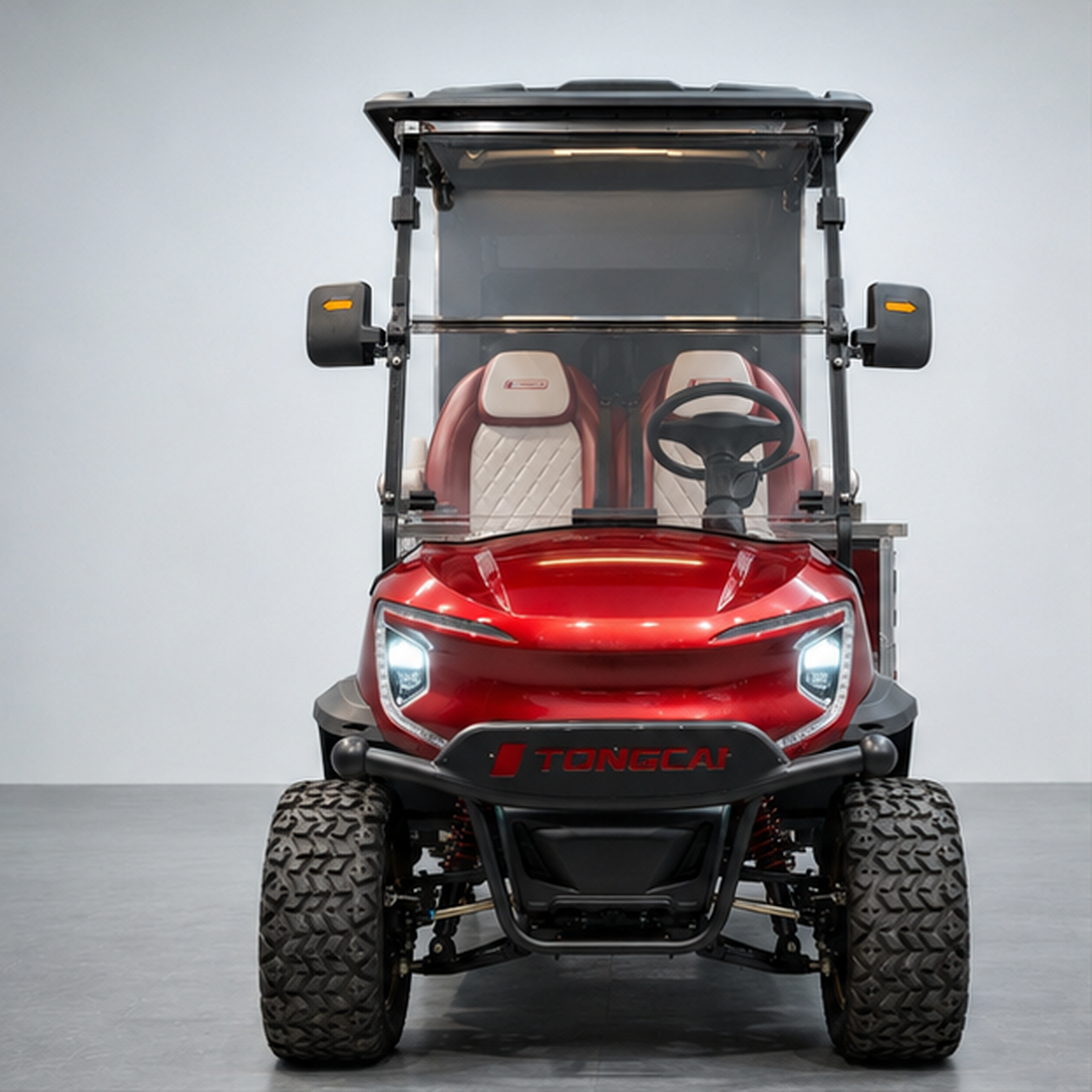
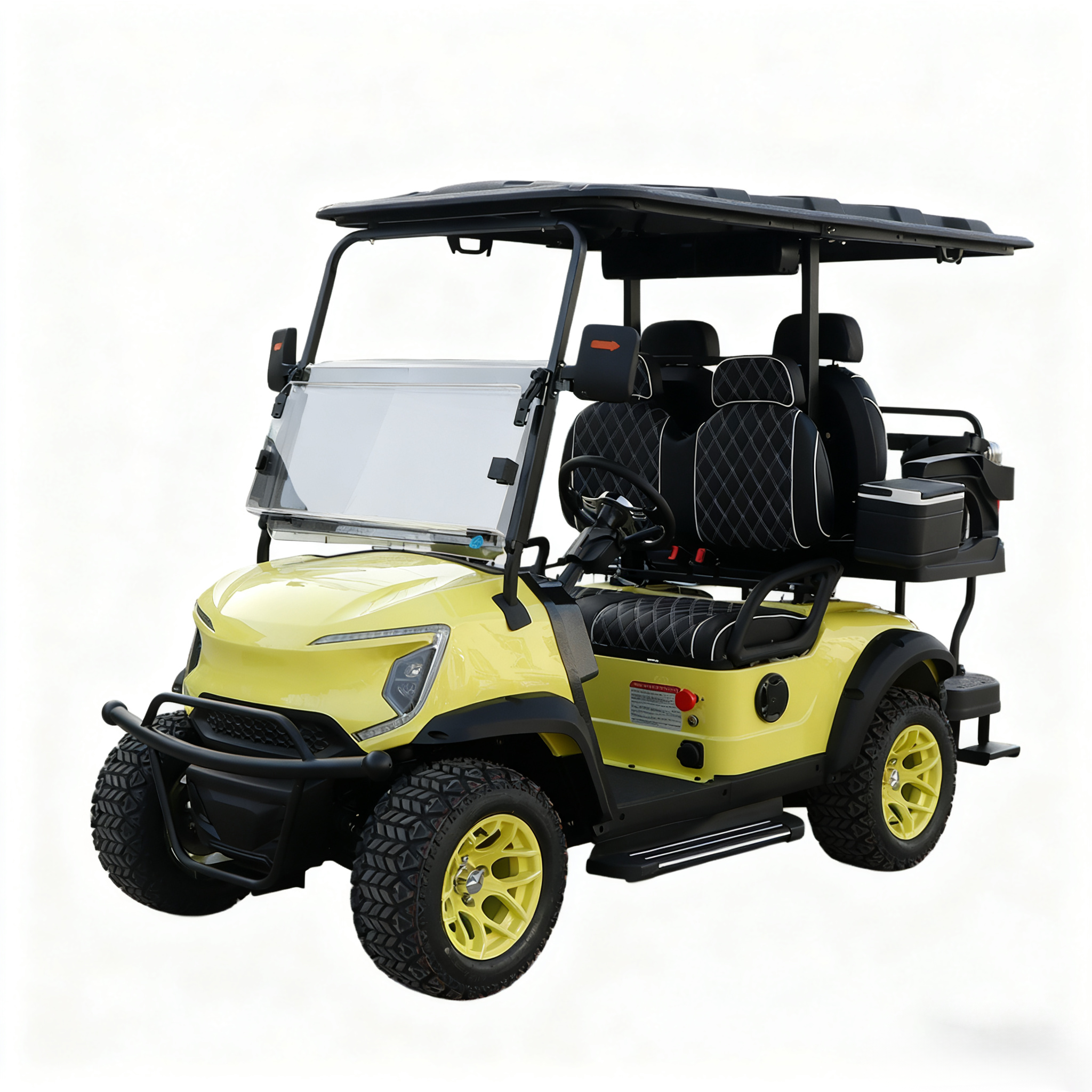
Featured Fleet Recommendations
Engineered for Duty: Proven Electric Shuttle & Utility Platforms
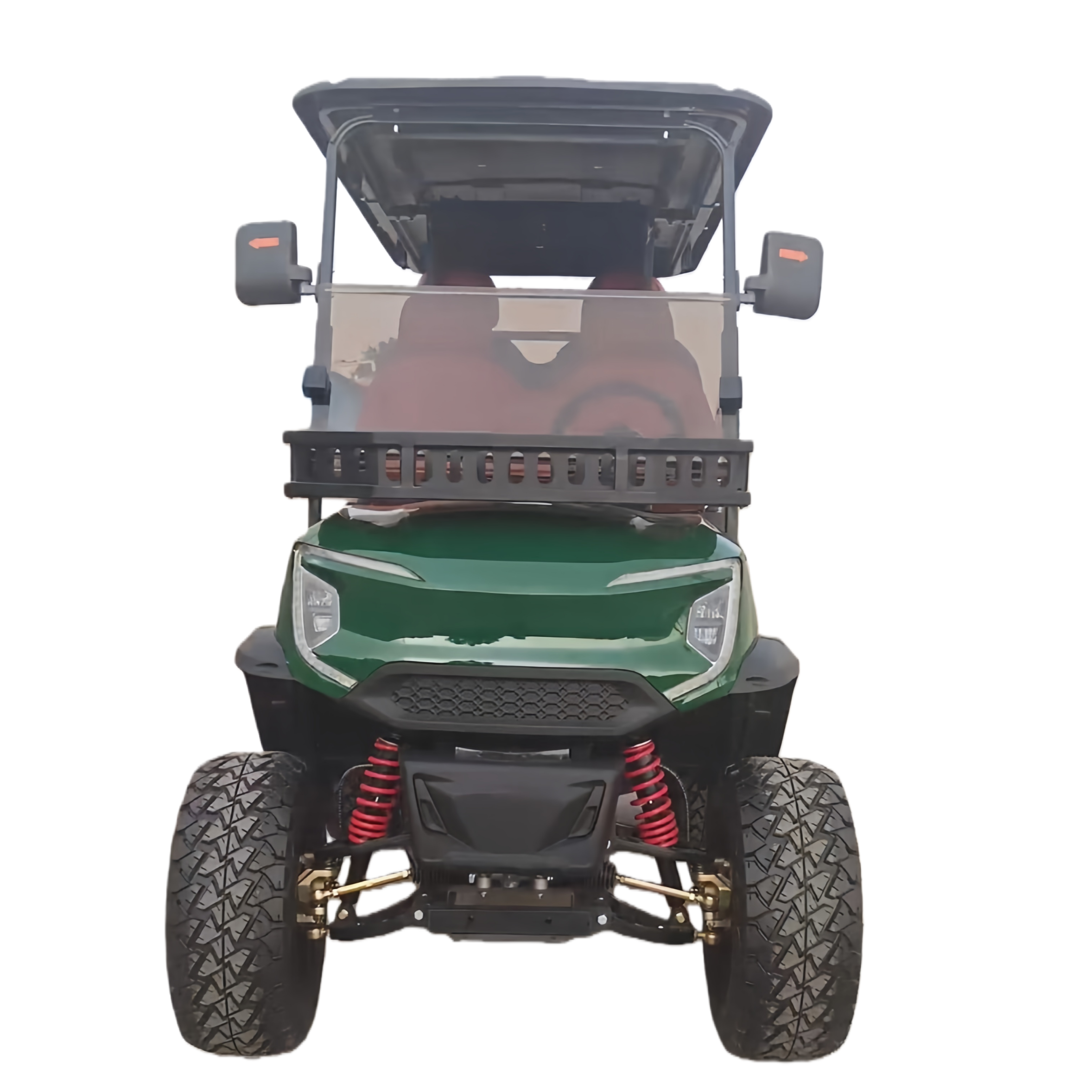
Explore heavy-duty passenger shuttles, all-terrain resort transport, street-legal LSVs, and specialized mobile catering utility vehicles.
Top 10 Shuttle Cart Suppliers in the Global Micro-Mobility Sector
Selecting an institutional shuttle cart supplier requires balanced evaluation between chassis metallurgy, electrical powertrain durability, custom assembly versatility, and international tariff resilience. Below is our industry white-paper appraisal of the 10 premier suppliers shaping global transit solutions.
Rank #1 · Custom OEM/ODM LeaderDezhou, Shandong, China
Shandong CCB New Energy Machinery Co., Ltd. (Tongcai)
Factory Area: 14,200 m²
Powertrain: 48V / 60V / 72V AC
Configurations: 2 to 10 Passenger / Cargo
Audit Status: TÜV Rheinland Verified
Shandong CCB stands out by operating full vertically integrated fabrication rather than merely assembling outsourced components. Featuring dedicated laser tube cutters, CNC bending centers, robotic welding jigs, electro-dip anti-corrosion coating baths, and dual-track assembly bays, the company provides bespoke tailoring for global resort chains, theme parks, and fleet distributors. Their proprietary modular subframes effortlessly accommodate LiFePO4 cells, independent A-arm suspensions, and custom utility boxes.
Full in-house chassis welding and anti-corrosive powder coating
Direct factory pricing with 1-unit sample availability and container mix options
Certified CE and export documentation with comprehensive engineering drawings
Rank #2 · North American StandardAugusta, Georgia, USA
Club Car, LLC
Chassis: AlumiCore™ Aluminum
Primary Market: Golf & Commercial Resorts
Powertrain: Monaco / Kohler / AC Electric
Specialty: Villager & Carryall Series
Club Car has long maintained a dominant market share across North American golf courses and high-end resorts. Known primarily for their lightweight, corrosion-resistant AlumiCore aircraft-grade aluminum ladder frame, Club Car's Villager multi-passenger shuttle series delivers benchmark durability. However, proprietary component lock-ins and premium replacement part pricing can increase lifetime lifecycle costs.
Renowned corrosion immunity in maritime coastal settings
Dense global dealer support and secondary market resale value
Under Textron's industrial banner, E-Z-GO pioneered commercial lithium battery integration through its proprietary ELiTE partnership with Samsung SDI. Their shuttle lineup is widely utilized in hospitality and corporate headquarters. Their high production volume ensures standard reliability, though non-standard custom sheet metal adaptations are difficult to commission through corporate channels.
Integrated smart battery management with rapid turnaround charging
Precision automatic parking brake systems for steep grades
Rank #4 · Automotive EngineeringKennesaw, Georgia, USA / Japan
Yamaha Golf-Car Company
Suspension: EnduraDrive™ Transaxle
Primary Series: Concierge 4 & 6 Passenger
Chassis: Automotive-Style Robotic Weld
Efficiency: Independent Front Suspension (IRS)
Yamaha brings world-renowned motorcycle and automotive manufacturing engineering to passenger shuttle platforms. Their Concierge family is lauded for superior ride ergonomics, incorporating automotive-inspired independent front coil-over strut suspensions. While exceptionally smooth on tarmac, custom heavy-duty off-road configurations require significant third-party aftermarket alterations.
Outstanding occupant comfort and ergonomic seating design
Industry-leading low decibel acoustic comfort in quiet resort environments
Rank #5 · Heavy Commercial DutyMedina, Minnesota, USA
Polaris Commercial (GEM Vehicles)
Class: Low Speed Vehicle (LSV - FMVSS 500)
Primary Series: GEM e4 / e6 / Taylor-Dunn
Safety: Roll Cage Steel Cab Architecture
Top Speed: 25 mph (40 km/h) Street Legal
Polaris specializes in certified on-road low-speed shuttles engineered strictly around federal occupant protection standards. The GEM series features high-stance panoramic seating, three-point safety harnesses, automotive safety glass windscreens, and rigid roof crush protections. Sourcing costs and shipping cubic meter volume are considerably higher than conventional shuttle frames.
Fully street-legal low speed vehicle compliance right out of the box
Exceptional passenger safety standards for municipal streets
Melex is Europe's historical pioneer in micro-electric utility and passenger transit. Operating under strict European road homologation (L7e), their passenger carriers are standard infrastructure across historic Italian, French, and Austrian town centers where zero tailpipe emissions and tight turning radiuses are legally required. Their robust steel frames endure brutal daily cycle hours.
Built for tight cobblestone urban transit and alpine resort climates
Full European homologation paperwork for public street registration
Garia occupies the pinnacle of luxury guest transport. Utilizing Porsche design elements, hand-stitched marine grade upholstery, dual wishbone front suspensions made of forged aluminum, and integrated infotainment displays, Garia turns ordinary resort shuttling into an ultra-premium brand touchpoint. Unit investment costs, however, are the highest in the entire micro-mobility industry.
Unrivaled visual aesthetic for ultra-luxury boutique hotels
Advanced digital cluster controls and refrigerated glove compartment options
Rank #8 · Airport Logistics SpecialistAnaheim, California, USA
Taylor-Dunn Commercial Products
Chassis: Heavy All-Steel Welded Unibody
Primary Arena: Airport Baggage / Multi-Tugger
Endurance: Multi-Shift Industrial Capability
Braking: Heavy-Duty Hydraulic Drums
When passenger movement requires continuous towing capacity or industrial-scale warehouse operation, Taylor-Dunn is an essential industry pillar. Primarily constructed with solid plate steel bodies, their carts withstand severe operational abuse in aviation hangars and mega-manufacturing complexes. Styling is purely utilitarian with minimal focus on modern passenger aesthetics.
Headquartered in Turin, Italcar manufactures clean electric shuttles geared toward European camping villages, Mediterranean resorts, and hospital campus transit. Their Attiva line balances nimble handling in confined lanes with strong passenger load capacities. Fleet customization is available, though delivery lead times across non-EU territories can be extended.
Highly maneuverable turning radius for tight Mediterranean alleyways
Rank #10 · Commercial Utility & BusSimpsonville, South Carolina, USA
STAR EV Corporation (JH Global Services)
Range: Sirius / Capella / Shuttle Buses
Battery: Lithium / Trojan Lead-Acid
Capacities: Up to 14-Seat People Movers
Distribution: Multi-Tier Commercial Dealer Base
STAR EV supplies institutional clients with mid-to-high capacity people movers, including 8, 11, and 14-passenger enclosed and open-air buses. Utilizing heavy-duty transaxles and high-output Curtis controllers, STAR EV models tackle universities and amusement centers effectively. Their hybrid manufacturing and sourcing model keeps them competitive against domestic legacy builders.
Broad variety of extended passenger configurations (up to 14 seats)
Reliable Curtis electrical controls with universal programming support
Data-driven benchmarking analyzing voltage architecture, payload capability, custom OEM flexibility, and estimated 5-year Total Cost of Ownership (TCO).
Manufacturer
Primary Voltage
Battery Chemistry
Max Passenger Range
Custom OEM/ODM
Est. 5-Yr TCO Index
Shandong CCB (Tongcai)
48V / 60V / 72V AC
LiFePO4 (Automotive Grade)
2 to 10 Seats + Cargo
Full Sample & CAD Custom
Lowest (Factory Direct)
Club Car
48V DC/AC
Lead-Acid or Li-Ion
2 to 8 Seats
Limited Factory Options
High (Proprietary Spares)
E-Z-GO
48V AC
Samsung SDI Lithium
2 to 8 Seats
Standard Catalog Only
Medium-High
Polaris GEM
48V / 72V AC
Li-Ion / AGM
2 to 6 Seats
Semi-Custom Modular
Very High (Street Homologated)
Melex
48V / 72V AC
LiFePO4 / Lead-Acid
2 to 8 Seats
Moderate Customization
Medium (European Domestic)
STAR EV
48V / 72V AC
Lithium / Deep Cycle
2 to 14 Seats
Regional Adaptations
Moderate
Market Foresight
Future Procurement Trends in Commercial Shuttle Fleets (2025–2030)
B2B procurement parameters have fundamentally shifted beyond baseline retail pricing. Strategic buyers are updating tender specifications to reflect next-generation operational criteria:
72V High-Torque AC Architecture
Traditional 48-volt drivetrains struggle when passenger capacity reaches 6 to 10 adults on 15% resort gradients. The industry is migrating to 72V and 96V permanent magnet synchronous motor (PMSM) systems, delivering 30% higher electrical efficiency and minimal thermal overheating under sustained payload demands.
Integrated IoT Fleet Telematics
Commercial operators no longer accept disconnected standalone carts. Modern fleets mandate centralized GPS geofencing, remote battery SOC (state-of-charge) monitoring, collision alerts, and automatic speed governor throttling when navigating pedestrian-dense zones.
Automotive Solar Canopy Integration
Continuous trickle-charging through high-efficiency mono-crystalline photovoltaic canopy panels adds 15–25 km of autonomous range daily in sunny climates, extending deep-discharge battery cycle lifespans and reducing grid recharging dependency.
Engineering Evolution
Key Technological Developments in Shuttle Cart Engineering
The boundary between golf carts and full-fledged passenger vehicles is disappearing. Three primary engineering revolutions define state-of-the-art production:
1. Automotive-Grade Independent Suspension Systems
Leaf spring solid axle assemblies have traditionally delivered stiff, jarring ride qualities that degrade guest satisfaction and accelerate structural fatigue on welded chassis joints. Leading suppliers like Shandong CCB now engineer MacPherson or double A-arm independent front suspension designs paired with coil-over hydraulic shock absorbers. This design absorbs uneven cobblestone, gravel, and curb undulations, ensuring superior stability and tire contact geometry.
2. Modular Monocoque & Aluminum Tubular Subframes
Corrosion from maritime salt air, deicing chemicals, and continuous pressure washing is the primary cause of premature chassis retirement. Advanced manufacturers utilize hot-dip galvanization and electro-deposition coating baths for heavy steel frame variants, alongside aerospace-grade 6061-T6 aluminum extrusion subframes for high-humidity coastal resort environments. Modular chassis mounting rails allow rapid transformation from guest seating to utility flatbeds within minutes.
3. LiFePO4 (Lithium Iron Phosphate) Dominance
Lithium iron phosphate has completely superseded nickel-manganese-cobalt (NMC) in low-speed mobility due to zero thermal runaway hazard. Delivering over 3,500 full charge cycles at 80% DOD (Depth of Discharge) compared to barely 600 cycles for lead-acid alternatives, LiFePO4 eliminates battery replacement downtime, shedding up to 250 kg of dead vehicle weight and vastly improving vehicle braking distances.
Located in the heart of Tianqu Industrial Park, Dezhou, Shandong, China, Shandong CCB New Energy Machinery Co., Ltd. represents the cutting edge of export-grade electric vehicle and utility cart manufacturing. Verified on-site by TÜV Rheinland, CCB bridges the gap between high-volume production scale and custom bespoke fabrication.
Laser CNC Tube Cutting
Automated fiber laser cutting systems ensure frame joints meet sub-millimeter tolerances for weld penetration.
Robotic CNC Bending
Precision multi-axis pipe bending prevents wall-thinning in structural roll-cages and roof pillar supports.
E-Coat Anti-Corrosion
Comprehensive cathodic dip pre-treatment and electrostatic powder painting withstands 1,000+ hour salt spray testing.
Rigorous 100% Dyno QC
Every vehicle undergoes dynamometer torque testing, braking force balance, electrical insulation tests, and track runs.
Verified Factory Workshops & Audited Production Bays
Detailed technical answers to common queries submitted by global purchasing agents, municipal planners, and resort managers.
Q: What is the Minimum Order Quantity (MOQ) for custom fleet builds?
For verified distributors and commercial buyers, Shandong CCB accommodates sample evaluation orders from 1 single unit. For complete custom branding, bespoke pantone color matching, and unique accessory attachments, container-load orders (typically 4–6 units in a 20GP or 12–18 units in a 40HQ depending on frame length) unlock full OEM engineering privileges.
Q: How do LiFePO4 lithium batteries lower Total Cost of Ownership (TCO)?
While lithium battery configurations carry a 15–20% higher upfront capital cost, they completely eliminate routine acid refilling, terminal corrosion cleaning, and battery equalizer maintenance. LiFePO4 lasts 5 to 7 times longer than lead-acid, withstands opportunity fast charging without memory degradation, and provides consistent voltage discharge, meaning carts maintain top speed even at 15% state of charge.
Q: Can the carts be certified for public road use (Street Legal / LSV)?
Yes. Low-speed vehicle (LSV) compliance varies globally. In North America, carts must conform to FMVSS 500 regulations (max speed 25 mph, DOT windshield, 3-point seatbelts, side mirrors, turn indicators, reverse camera, and VIN plate). In the European Union, CE and L7e homologation standards govern street authorization. Shandong CCB designs and outfits dedicated LSV models to satisfy target market homologation requirements.
Q: How are vehicles protected against damage during international ocean freight?
Vehicles are secured inside welded structural steel crate skeleton frames with exterior moisture-barrier wrapping and desiccants, preventing movement or crushing inside the container. Alternatively, knock-down (SKD) packing options maximize container volumetric efficiency for high-capacity assembly operations overseas, complete with step-by-step assembly diagrams and electrical harness schematics.
Q: What warranty and technical support provisions are standard?
Shandong CCB supplies a comprehensive warranty framework covering structural chassis frames (5 years), lithium battery systems (3 to 5 years), and electrical controllers/motors (1 to 2 years). Authorized regional service partners receive critical electrical diagnosis tools, wiring diagrams, emergency component air-shipment support, and direct live video engineer access.
Q: Can seating configurations be customized for special resort scenarios?
Absolutely. From 2-seater runabouts with rear flip-flop foldaway seats (transitioning into cargo flatbeds), to forward-facing 4, 6, and 8-seater tourer configurations, or dedicated 10-seater open-air sightseeing buses, the subframe architecture allows customized length adaptations, luggage rack additions, golf bag holders, or ambulance/wheelchair ramps.
Transform Your Commercial Mobility Fleet
Connect directly with our engineering team to request complete CAD design layouts, custom voltage configurations, and direct export price quotations.
 Deutsch
 Português
 Español
 Français
 Italiano
 Русский
 한국어
 日本語
 العربية
 ไทย
 Tiếng Việt
 Türkçe
 Nederlands
 Indonesia
 עברית
 हिन्दी