Executive Market Intelligence
Navigating the Modern Commercial Electric Fleet Sourcing Landscape
As global resorts, golf courses, master-planned gated communities, academic campuses, and municipal utility providers phase out internal combustion engines (ICE) and legacy 36V/48V lead-acid deep-cycle banks, commercial golf cart fleet management has entered an inflection point. Contemporary fleet managers face complex engineering choices: 72V automotive-grade LiFePO4 lithium integration, telematics-driven predictive diagnostics, regenerative AC brushless drivetrains, and multi-functional modular coachbuilding.
Direct-from-Factory Portfolio
Featured Commercial Fleet & Speciality Electric Vehicles
Engineered by Shandong CCB New Energy Machinery Co., Ltd. (Tongcai brand), these export-certified vehicles showcase robust robotic welding, cathodic electro-deposition finishes, advanced controller algorithms, and customizable seating configurations.
72V / 5000W / 4WD

- High-torque 5000W AC induction motor
- 72V LiFePO4 automotive-grade pack
- 14-inch aggressive all-terrain wheel package
- Electronic on-demand 4-wheel drive drivetrain
Heavy-Duty Freight 4WD
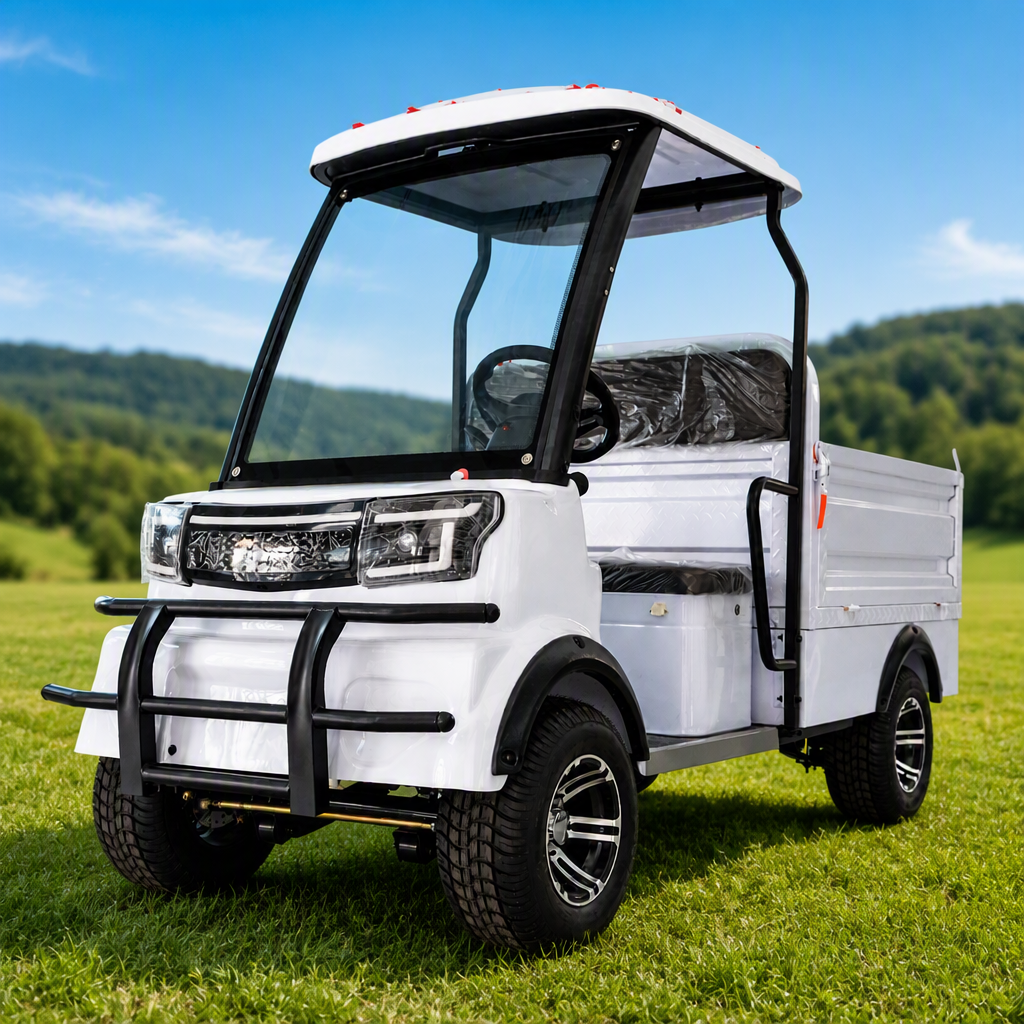
- Reinforced diamond-plate utility cargo bed
- High ground clearance with independent suspension
- Heavy-duty canopy with integrated drain channels
- Designed for resorts, agriculture, and construction
Mobile Hospitality OEM

- Turnkey concession, beverage, and dessert pod
- Integrated auxiliary 12V/110V/220V power outlets
- Custom exterior bespoke paint & branding support
- Stainless steel food-grade preparation countertops
48V / 90km Endurance
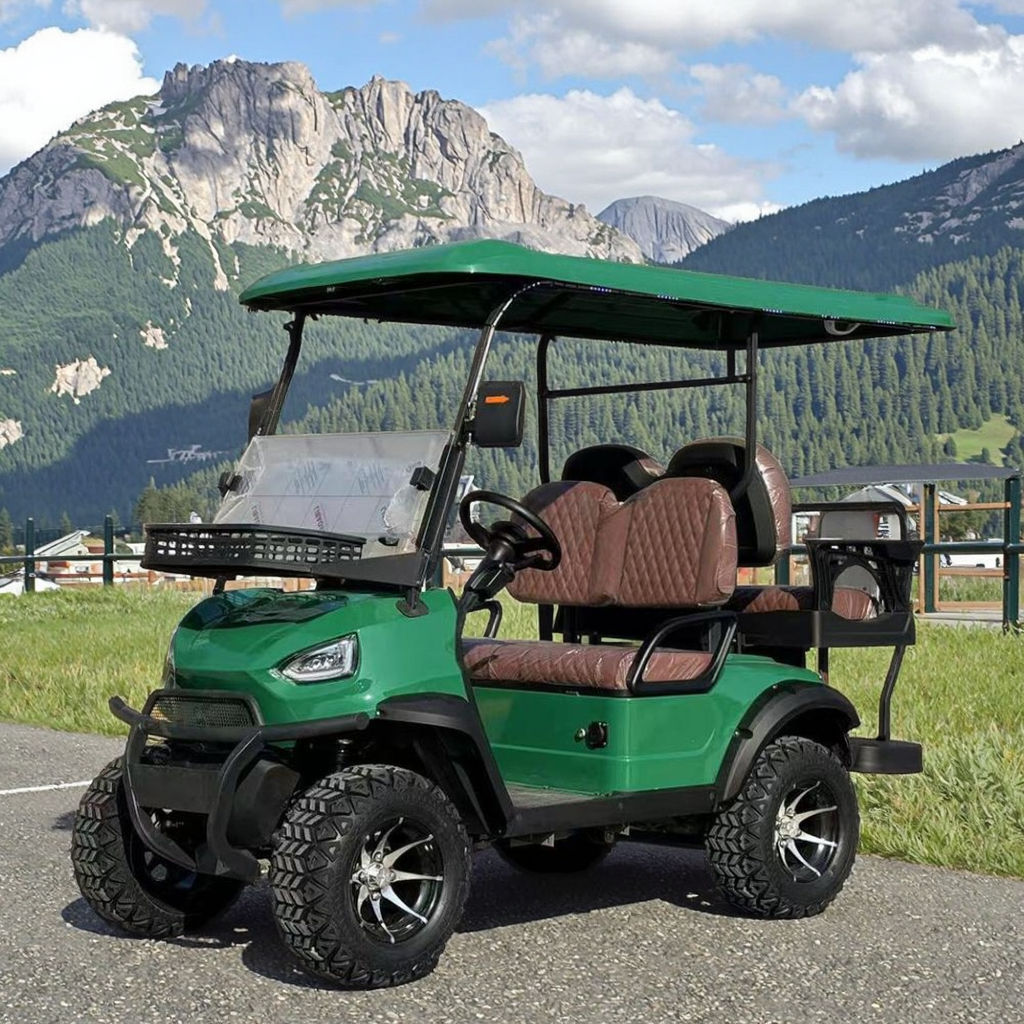
- Zero-maintenance 48V AC drivetrain
- Small 3.1-meter turning radius for fairway paths
- Extended single-charge range up to 90 km
- Hydraulic four-wheel dual-circuit drum braking
CE Certified 2-8 Seats
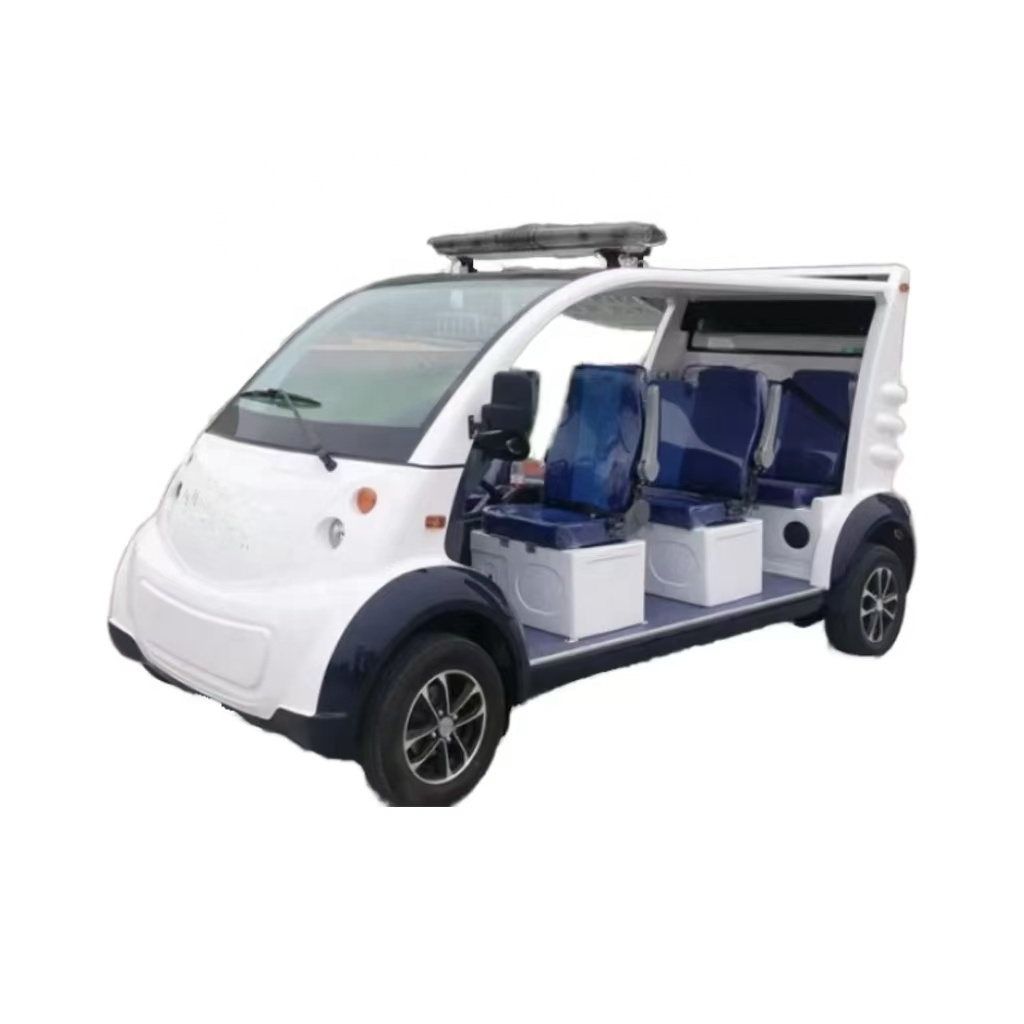
- High-velocity capability (50–70 km/h programmable)
- CE certified for public space & airport regulations
- Ergonomic marine-grade weather-resistant seats
- Available in 2, 4, 6, and 8 passenger configurations
Serving Pod Vehicle

- Pneumatic strut assisted fold-out service window
- Integrated secure under-chassis lockable storage
- Low-energy LED illuminated perimeter marquee
- Ideal for five-star beachfronts and golf clubhouses
Modular Food Vending
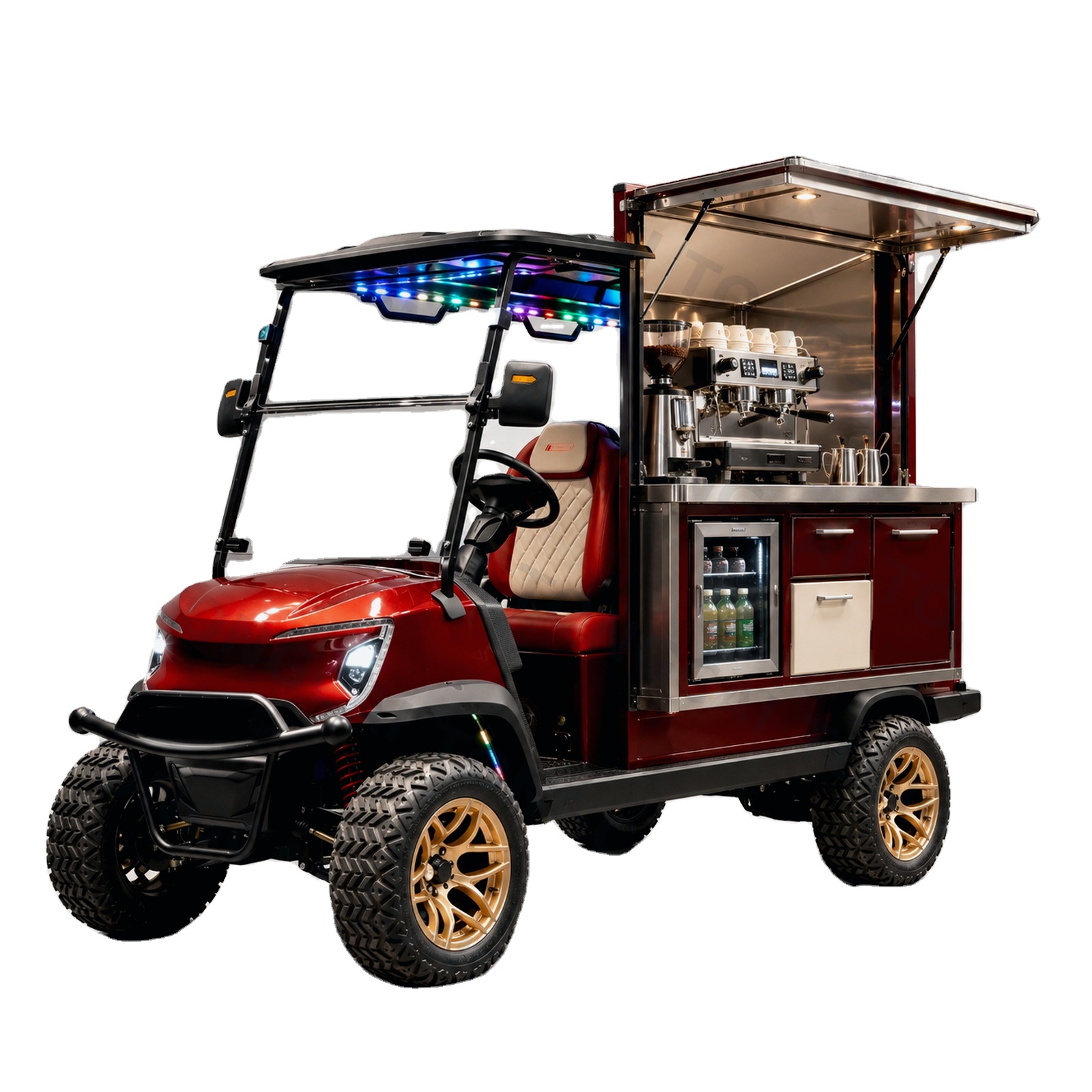
- Anti-corrosion electro-galvanized frame assembly
- Configurable modular onboard refrigeration bays
- Plug-and-play intelligent solar charging compatibility
- Factory direct turnkey customization and private labeling
High-Speed Karting / 75km/h
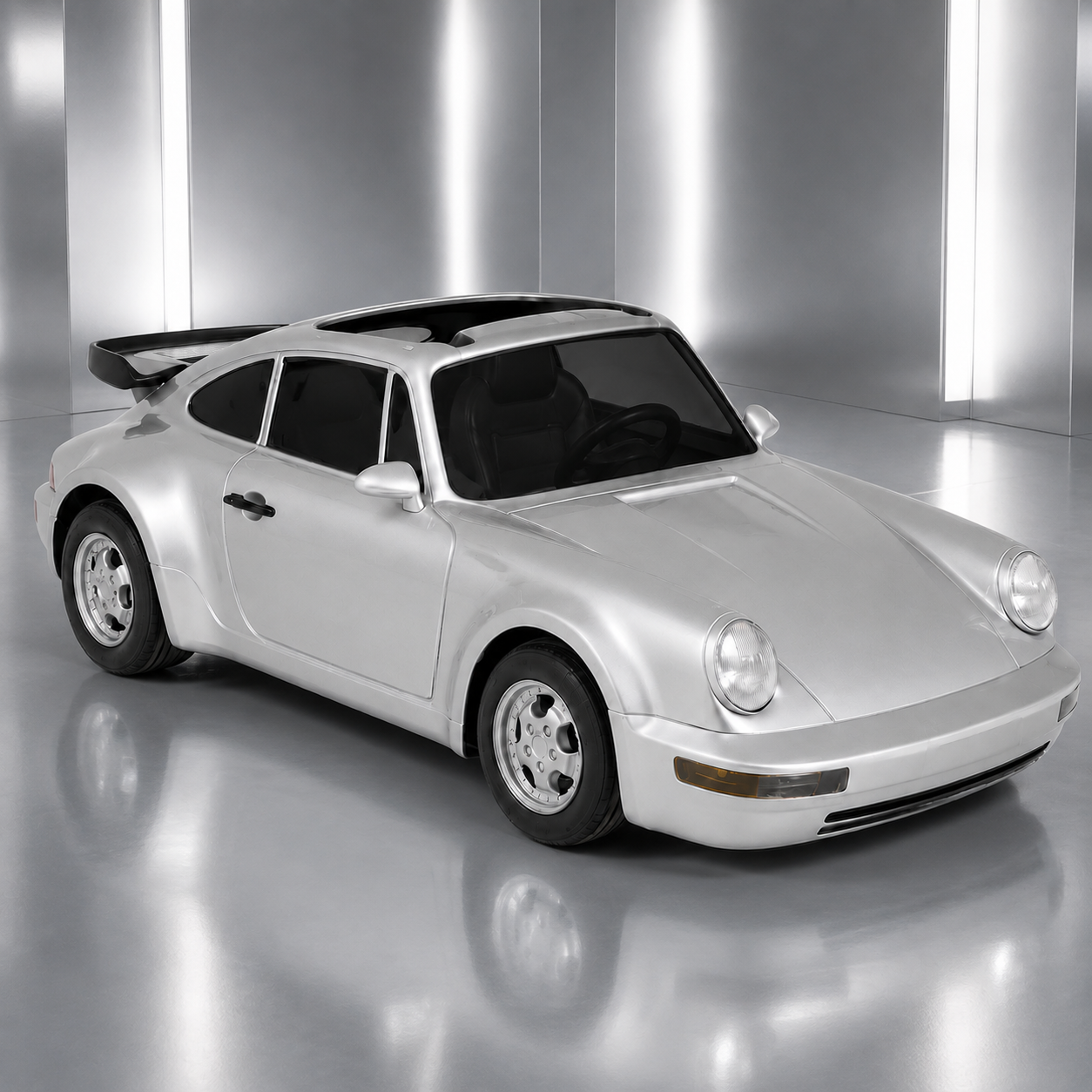
- High-output racing powertrain with 75 km/h top speed
- 200 kg heavy load chassis payload rating
- Hydraulic ventilated disc brakes on all four corners
- Commercial track management speed governable system
Procurement Whitepaper Analysis
Total Cost of Ownership (TCO) & Fleet Engineering Economics
When commercial purchasing directors evaluate golf cart fleets across 50 to 500-unit requirements, calculating Total Cost of Ownership (TCO) over a 7-year duty cycle reveals dramatic divergences from upfront Capital Expenditure (CAPEX). While legacy lead-acid vehicles historically dominated the procurement budget due to lower sticker prices, their Operational Expenditure (OPEX) creates compounding deficits across three primary vectors:
"Transitioning a 100-cart fleet from lead-acid to automotive 72V LiFePO4 chemistry yields an average operational expenditure reduction of 41.8% over 60 months, driven primarily by zero terminal maintenance, 3,500+ deep cycles, a 28% decrease in grid recharging losses, and eliminated battery replacement cycles."
1. Coulombic Efficiency & Kilowatt-Hour Loss: Lead-acid cells display Coulombic efficiency rates between 75% and 80%, bleeding nearly a quarter of energy pulled from the commercial grid as waste heat during prolonged charging phases. Modern LiFePO4 cells, governed by programmable Battery Management Systems (BMS), operate with Coulombic efficiencies exceeding 96%, substantially trimming facility utility bills.
2. Vehicle Curb Weight and Turf Compaction: A standard 48V 6-seater cart packed with six 8-volt wet flooded batteries carries roughly 160–190 kg of battery mass alone. A drop-in or integrated 72V 105Ah lithium system slashes that mass down to roughly 42 kg. The resulting 120+ kg curb weight reduction relieves stress on fairway turf, preserves electric motor winding life, decreases tire wear by up to 35%, and shortens stopping distances for passenger safety.
3. Battery Depreciation & Cell Replacement Cadence: Commercial golf cart fleets operating 36 holes daily degrade lead-acid banks within 24 to 36 months, forcing costly full-battery replacements and hazardous chemical handling. Lithium Iron Phosphate batteries provide 3,500 to 5,000 charge cycles before reaching an 80% State of Health (SOH), comfortably providing 8 to 10 years of reliable fleet duty without battery-swap downtime.
Competitive Landscape
Top 10 Golf Cart Fleet Manufacturers & Suppliers Worldwide
A comparative evaluation of the premier global original equipment manufacturers (OEMs), suppliers, and tier-1 assembly groups serving golf resorts, municipal districts, and international distribution networks.
| Manufacturer / Brand |
Headquarters & Assembly |
Powertrain Architecture |
Customization / OEM Depth |
Primary Compliance |
Lead Time (B2B Fleet) |
Shandong CCB New Energy (Tongcai)
✓ TÜV Rheinland Verified
|
Dezhou, Shandong, China (14,200 m² Plant) |
48V / 60V / 72V LiFePO4, Up to 5000W AC |
Full ODM / Custom Coachwork & Private Label |
CE, ISO9001, EEC LSV Ready |
15 – 25 Days (Container Ready) |
| Club Car (Platinum Equity) |
Augusta, Georgia, USA |
48V AC Drive, Lithium HP Available |
Moderate (Standard Catalog Packages) |
DOT, SAE J2258, ANSI Z130.1 |
60 – 120 Days |
| E-Z-GO (Textron Inc.) |
Augusta, Georgia, USA |
ELiTE Samsung SDI Lithium / 48V AC |
Standard Commercial Fleet Packages |
DOT, ANSI Z130.1 |
45 – 90 Days |
| Yamaha Golf-Car Company |
Kennesaw, Georgia, USA / Japan |
Drive2 PowerTech AC / QuieTech EFI |
Limited (Fixed Tier Packages) |
ANSI, CE |
60 – 90 Days |
| Star EV (JH Global Services) |
Simpsonville, South Carolina, USA |
48V / 72V AC Drivetrains |
Dealer Level Accessory Integration |
DOT / LSV Compliant |
30 – 60 Days |
| Garia (Club Car Luxury Division) |
Albertslund, Denmark |
High-Performance AC Lithium Drive |
Bespoke Luxury Automotive Trim |
EU M1 / EEC Road Homologated |
90 – 150 Days |
| Evolution Electric Vehicles |
Corona, California, USA / China |
48V Lithium / Curtis Controllers |
Standardized Modern Street Packages |
DOT, LSV FMVSS 500 |
30 – 60 Days |
| HDK Electric Vehicles |
Xiamen, China / Florida, USA |
48V Inverter / AC Motor Options |
Semi-Custom Commercial Configurations |
CE, DOT |
25 – 45 Days |
| Marshell Green Power |
Zhaoqing, Guangdong, China |
48V / 72V Multi-passenger Transit |
OEM Utility & Sightseeing Shuttles |
CE, ISO9001 |
30 – 50 Days |
| Pilotcar EV |
Bursa, Turkey / Fort Myers, Florida |
48V AC / Lead-Acid & Lithium Pack |
Urban LSV & Compact Cargo Vans |
EU L7e Road Homologation |
45 – 75 Days |
Verified Factory Strength
Engineering Capabilities: Shandong CCB New Energy Machinery Co., Ltd.
Unlike assemblers who purchase external frames and bolt generic brackets together, Shandong CCB operates an end-to-end, TÜV Rheinland on-site audited 14,200 square-meter precision manufacturing facility in Tianqu Industrial Park, Dezhou, Shandong.
14,200m²
Dedicated Production Floor
140+
Tier-1 Component Partners
61+
Specialist Techs & Engineers
4.5/5
Global Distributor Score
Full In-House Coachbuilding
From raw seamless steel tube cutting, automated 3D CNC pipe bending, robotic fixture welding, to proprietary anti-corrosion dipping and dustless spray booth painting, every structural element is manufactured under one roof with full material traceability.
Custom Drivetrain Configurations
Fleets operate in unique terrain: mountainous golf courses require 72V 5000W high-torque gradeability, coastal island resorts demand marine-grade harness corrosion resistance, while theme parks prioritize programmable regenerative braking curves and smooth deceleration.
Rigorous 100% End-of-Line FQC
Every single golf cart and utility car rolling off our assembly line completes full dynamic chassis roller testing, insulation resistance evaluation, high-pressure water spray sealing verification, and mechanical emergency brake testing prior to crating.
Standardized Production Standards
The 12-Stage Factory Fabrication & Quality Audit Workflow
Every chassis leaving our Dezhou factory conforms to standardized automotive production lines to prevent tolerance deviations in high-volume fleet procurements.
01
Laser Tube Cutting
High-precision fiber laser cutting of high-tensile rectangular chassis tubing.
02
CNC Machining
Milling of suspension arms, spindle housings, and transmission mounts.
03
CNC Pipe Bending
Multi-axis automated roll cage and canopy pillar uniform bending.
04
Jig Welding & Polish
Precision fixture clamping and robotic MIG welding for chassis rigidity.
05
Anti-Corrosion Spray
Multi-layer electrostatic powder coating and cathodic primer sealing.
06
Stage I Assembly
Transaxle, MacPherson suspension, disc brakes, and steering rack fitting.
07
Stage II Assembly
Wiring harness installation, controller calibration, and battery pack securing.
08
Electrical Inspection
Harness insulation, continuity check, BMS telemetry, and current draw testing.
09
Sheet Metal Press
Stamping of aluminum battery storage boxes and cargo bed accessories.
10
Bodywork Fitting
Mounting UV-stabilized ABS automotive injection-molded body cowls.
11
Chassis Dyno & Track
Speed limiter tuning, acceleration profiling, and emergency stopping tests.
12
Export Crate FQC
Reinforced steel-frame crating with humidity-barrier export packaging.
Market Projections 2025–2030
Key Technological Trends Driving Future Fleet Sourcing
Procurement directors specifying vehicle quantities for long-term investments must align their RFPs with the shifting technological landscape to protect fleet resale values and operational longevity.
1. Cloud Telematics & Geofencing
Commercial resort and golf course operators increasingly demand embedded 4G/GPS telematics units. Modern fleet controllers integrate directly with dispatch dashboards, enforcing precise fairway geofencing (automatically cutting motor power when a vehicle enters protected greens or environmental zones), providing live battery State of Charge (SOC) tracking, and alerting mechanics to overheating transaxles before catastrophic failure occurs.
2. Integrated Photovoltaic (Solar) Roofs
Integrated monocrystalline flexible solar canopy roofs are transforming from novelty add-ons to core fleet specifications. In sun-drenched resort destinations across Florida, the Caribbean, Southern Europe, and Southeast Asia, continuous solar trickle charging contributes 15% to 25% of daily energy draw, extending cart operational uptime by 15–20 km per day and substantially reducing commercial clubhouse microgrid charging spikes.
3. Modular Multi-Role Utility Platforms
Rather than purchasing disparate vehicle types for housekeeping, passenger mobility, security patrols, and food & beverage vending, fleet operators are standardizing around single base chassis platforms with modular rear sub-frames. A single 4-passenger golf cart can convert within 15 minutes into a flatbed cargo hauler, waste transport pod, or insulated hospitality catering truck via rapid pin-lock attachment systems.
Distributor & Buyer Intelligence
Frequently Asked Commercial Procurement Questions (FAQ)
Answers to key questions regarding customs clearance, battery chemistry selection, warranty support, and container loading logistics.
What is the typical Minimum Order Quantity (MOQ) and sample lead time for custom fleet orders?
At Shandong CCB New Energy Machinery Co., Ltd., our baseline Minimum Order Quantity (MOQ) starts at just 1 unit for catalog sample evaluations, trial testing, and local regulatory validation. For commercial volume orders (20ft container load containing 4–6 units, or 40ft High Cube container containing 12–18 units depending on lifted chassis configurations), production lead times average 15 to 25 calendar days. Bespoke coachwork, custom pantone color-matching, and corporate logo integration are unlocked at container volume.
How does LiFePO4 battery chemistry compare to traditional Lead-Acid or Ternary Lithium (NMC)?
Lithium Iron Phosphate (LiFePO4) is the benchmark standard for commercial low-speed vehicles due to chemical stability and non-combustible thermal run-away profiles up to 270°C. In contrast to ternary lithium (NMC) commonly used in consumer electronics, LiFePO4 eliminates oxygen-releasing hazards under physical puncture. When compared to wet flooded or AGM lead-acid batteries, LiFePO4 delivers 3,500+ deep discharge cycles at 80% DOD (versus 500–700 cycles for lead-acid), zero off-gas corrosive acid ventilation, fast opportunity charging (2–3 hours full charge vs. 8–10 hours), and zero electrolyte topping maintenance.
Can CCB electric golf carts be homologated for Low-Speed Vehicle (LSV) road-legal street use?
Yes. Our manufacturing lines can integrate full LSV / Low-Speed Electric Vehicle street-legal road packages conforming to U.S. FMVSS 500 regulations, European Union EEC/COC requirements, and regional municipal guidelines. These packages incorporate DOT/E-Mark certified AS4 laminated glass windshields with electric wipers, certified 3-point retractable seatbelts, automotive-grade high/low beam LED headlamps, daylight running lights (DRL), hazard flashers, side mirrors with integrated turn signals, digital automotive LCD gauge clusters showing km/h or mph, and dual-circuit 4-wheel hydraulic disc braking.
How are electric golf carts packed to prevent saltwater corrosion and damage during ocean transit?
Vehicles destined for export are packed using customized heavy-duty tubular steel transport cradles or enclosed moisture-sealed wooden packing frames. Wheels, windshields, and canopy roofs are disassembled and strapped within the perimeter frame footprint to minimize volumetric displacement in container stowage. Every vehicle is enveloped in high-density anti-scratch protective plastic wrap with moisture-absorbing silica desiccant bags, ensuring that electronics, wiring harnesses, and paint finishes arrive showroom-fresh after 30–45 days at sea.
What international warranty and spare parts support is provided to overseas fleet maintenance teams?
We back our commercial fleets with a comprehensive 2-year warranty on chassis frames and critical powertrain components (AC drive motor, transaxle, and electronic controller), alongside a 3- to 5-year commercial performance warranty on LiFePO4 lithium battery packs. We provide maintenance facilities with complete bilingual exploded parts catalogs, electrical schematics, remote CAN-bus controller diagnostic software support, and critical wear-and-tear replacement packs (brake pads, bushings, solenoids, switches) packed directly with container shipments.
Can we load mixed models (standard golf carts, lifted 4WDs, utility freight trucks) in a single container?
Yes. Our logistics and engineering team creates customized 3D CAD container loading simulations for every order. Importers frequently combine standard 2- and 4-seater golf carts with lifted off-road resort vehicles, flatbed utility freight haulers, and specialized hospitality trucks in a single 40ft HQ container to optimize freight costs per unit and diversify localized dealer inventory.
Plan Your 2025 Fleet Modernization Today
Consult directly with Shandong CCB's commercial engineering desk. Share your operational requirements, expected duty cycle, terrain conditions, and unit counts to receive a factory-direct FOB/CIF quotation, complete engineering spec sheet, and container loading plan.
 Deutsch
 Português
 Español
 Français
 Italiano
 Русский
 한국어
 日本語
 العربية
 ไทย
 Tiếng Việt
 Türkçe
 Nederlands
 Indonesia
 עברית
 हिन्दी
