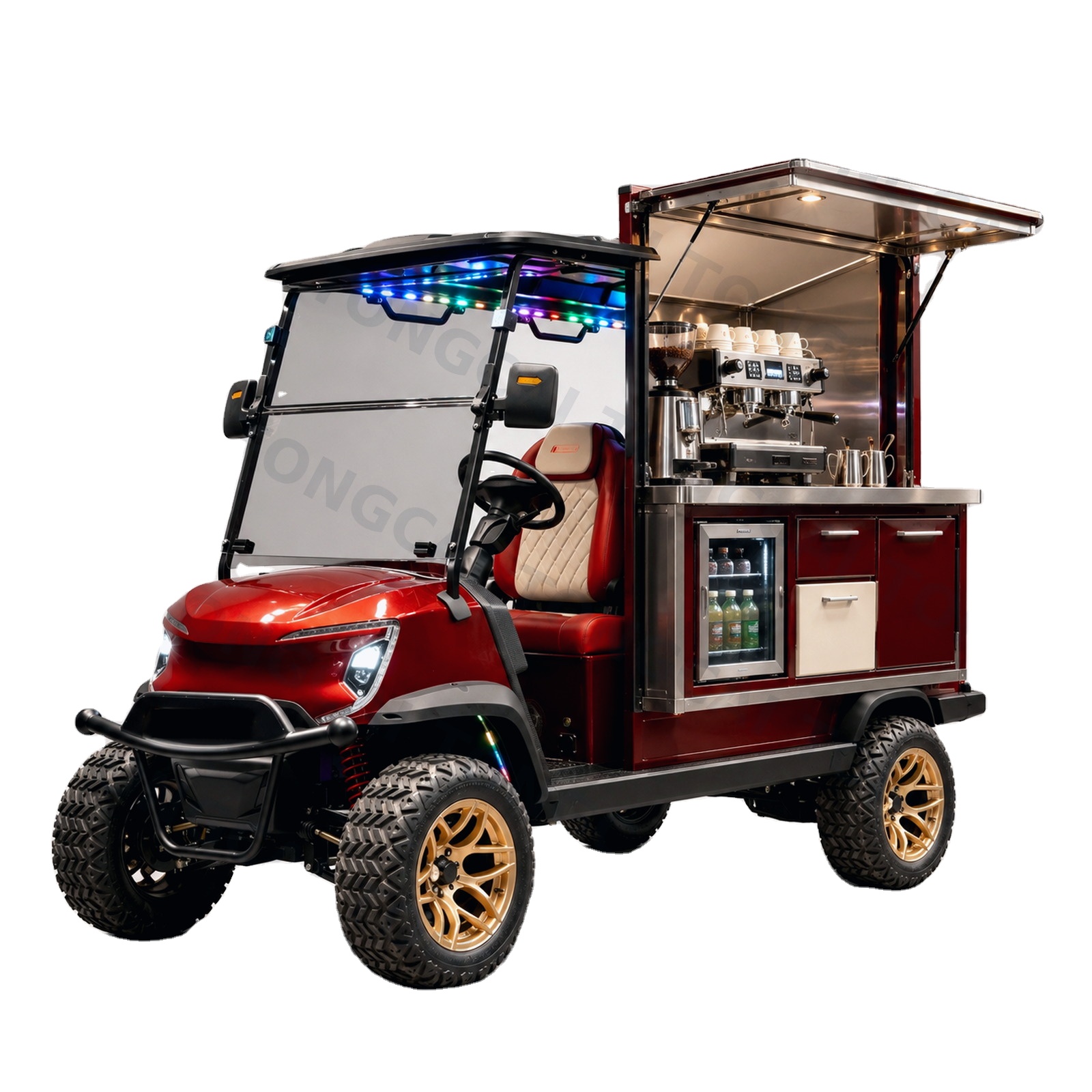
Industrial-Grade Fleet Engineering, Custom Commercial Sightseeing Platforms, and Certified B2B Electric Low-Speed Vehicle (LSV) Manufacturing
Commercial Electric Fleet Showcase
Flagship OEM/ODM Electric Shuttles & Custom Commercial Utility Vehicles
Explore precision-engineered electric resort shuttles, street-legal LSVs, hospitality utility cars, and custom mobile retail platforms assembled under ISO9001 and CE directives.
OEM/ODM Manufacturing Infrastructure: Full In-House Fabrication
Unlike trading intermediaries assembling catalog parts from loose third-party workshops, our Tianqu Industrial Park facility in Dezhou, Shandong controls every critical phase of chassis dynamics, automated welding, and powertrain calibration under a unified Quality Management System (QMS).
Structural Metallurgy & Robotized Fixtures
Our shuttle chassis are built with high-yield strength structural carbon steel and cold-drawn tubular seamless piping. Robotic welding jigs guarantee repeatable geometric precision within ±0.5mm tolerances, eliminating chassis warping and wheel alignment drift under severe 24/7 commercial duty cycles.
Benefit: Zero structural fatigue during multi-passenger resort transfers over high-frequency multi-year service.
TÜV Rheinland On-Site Verified Integrity
Shandong CCB New Energy Machinery Co., Ltd. operates with verified Custom Manufacturer credentials certified by TÜV Rheinland. We maintain ISO9001 quality compliance, European CE Machinery and Low Voltage Directives, and North American DOT-conforming safety layouts (FMVSS 500 low-speed standards).
Benefit: Direct homologation clearance in North America, Europe, Australia, and GCC ports without customs holds.
Dynamic Drivetrain Integration (48V to 72V)
Our powertrain engineers map programmable AC induction and Permanent Magnet Synchronous Motors (PMSM) up to 7500W with smart Curtis and Toyota-compatible microcontrollers. Electronic dynamic braking, hill-hold descent monitoring, and regenerative recovery systems conserve up to 15% battery autonomy per shift.
Benefit: Effortless 25% to 30% hill-climbing capabilities across alpine golf links and steep resort private roads.
Repeatable Quality Engineering
12-Stage Factory Production & Verification Protocol
Every commercial electric shuttle bus and utility platform advances across 12 rigorous internal stations where structural, electric, and finishing parameters undergo strict sign-offs.
Stage 01
Automated Laser Tube Cutting
High-power fiber lasers profile structural tubing and chassis channel steel to CAD vector specs without micro-cracking.
Stage 02
CNC Machining & Milling
Suspension arms, steering knuckles, and motor mounting points undergo sub-millimeter milling for zero-slop fitment.
Stage 03
CNC Multi-Axis Pipe Bending
Cold-forming mandrel pipe benders fashion passenger roll cages and roof arch profiles with zero structural flattening.
Stage 04
Jig Welding & Seam Dressing
Chassis undergo CO2 shielded arc welding on pneumatic clamping fixtures, followed by stress relieving and grinding.
Stage 05
Cataphoretic Anti-Rust Coating
Electrophoresis primer immersion provides complete internal capillary corrosion resistance across coastal environments.
Stage 06
Robotic Paint & Polyurethane Coat
Automotive-grade acrylic enamel and UV-inhibited clear topcoats prevent color oxidation from continuous sun exposure.
Stage 07
Powertrain & Suspension Assembly
Independent dual A-arms, MacPherson front setups, helical rear transaxles, and hydraulic disc brakes are torqued.
Stage 08
Wiring Harness & Pack Drop-in
CAN-bus industrial looms, contactors, digital displays, and LiFePO4 / Lead-acid power cells are seated and sealed.
Stage 09
Bodywork & Ergonomic Fitment
Impact-resistant injection ABS or vacuum-molded PP cowls, safety-laminated glass, and weatherproof seating are attached.
Stage 10
Electrical Insulation & Hi-Pot Test
High-voltage insulation testers stress circuits up to 1500V DC to identify dielectric leakage before energizing.
Stage 11
Dynamometer & Brake Test Track
Vehicles execute acceleration, braking distance, gradient hold, and suspension damping audits on our indoor test track.
Stage 12
Final Quality Control (FQC) & Crate
Over 80 cosmetic and operational checkpoints precede ocean-ready steel frame bracing or knocked-down container packing.
Strategic Sourcing Intelligence
Future Procurement Trends in Electric Shuttles & Commercial Fleets (2025–2030)
Procurement directors at international airport authorities, luxury destination resorts, gated community developers, and university campuses are shifting capital spending models toward intelligent, sustainable micro-transit.
1. The Universal Transition to LiFePO4 Chemistry
While flooded lead-acid batteries offered lower initial purchase costs, their high weight, 500-cycle life, and toxic off-gassing during charging have rendered them obsolete for commercial duty. Lithium Iron Phosphate (LiFePO4) offers 3,500+ cycles, 30% vehicle curb weight reduction, opportunity charging without cell memory, and an eight-year lifespan that reduces Total Cost of Ownership (TCO) by 42% over 60 months.
2. IoT Telematics & Predictive Maintenance
Global fleet operators demand onboard telemetry. Modern OEM shuttle factories integrate 4G/GPS telematics modems into the controller. Fleet managers can remotely monitor real-time State-of-Charge (SoC), set programmable geo-fences, receive roll-over gyro alerts, limit top speeds in high-pedestrian zones, and predict brake pad and tire wear via cloud analytics dashboards.
3. Multi-Role Chassis Modularization
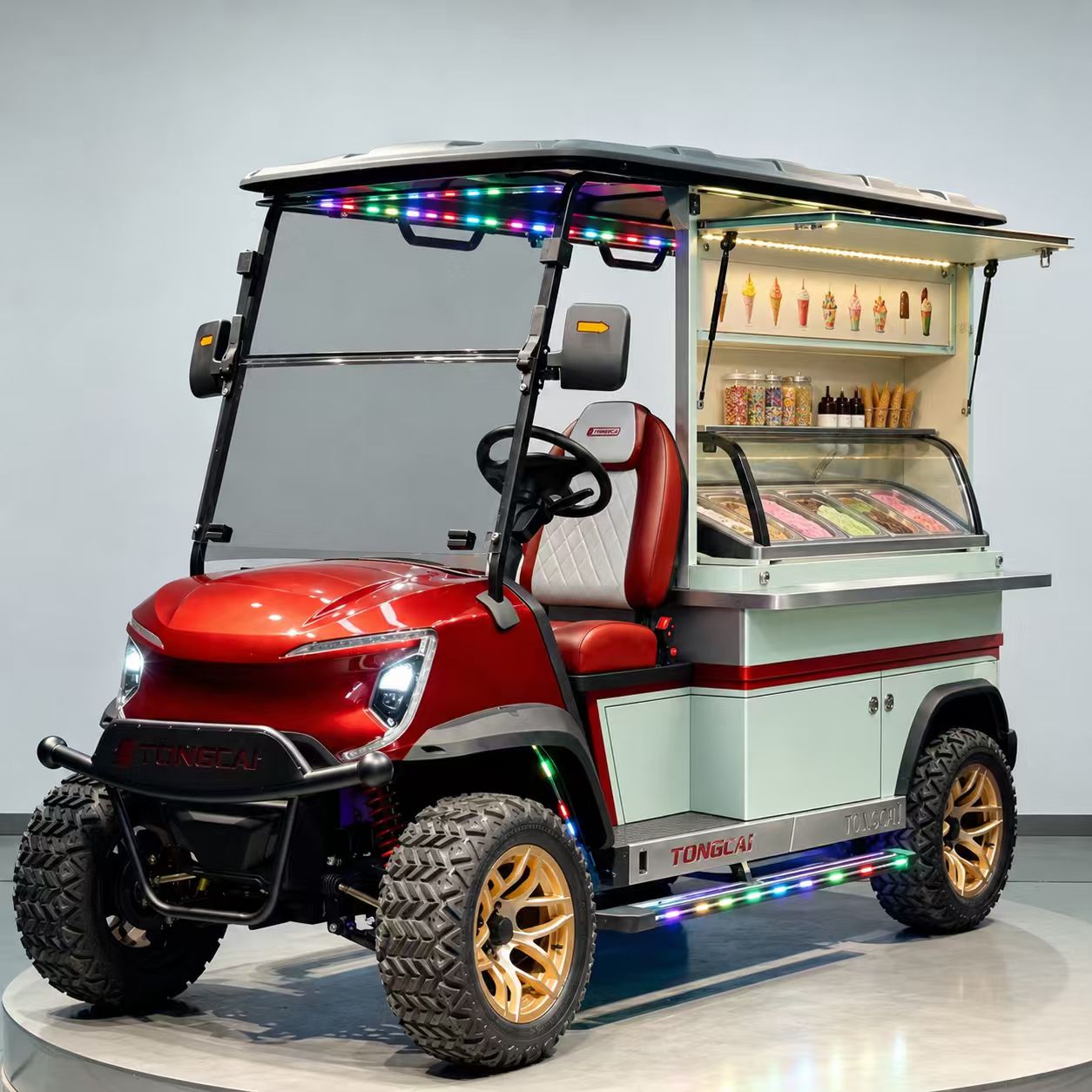
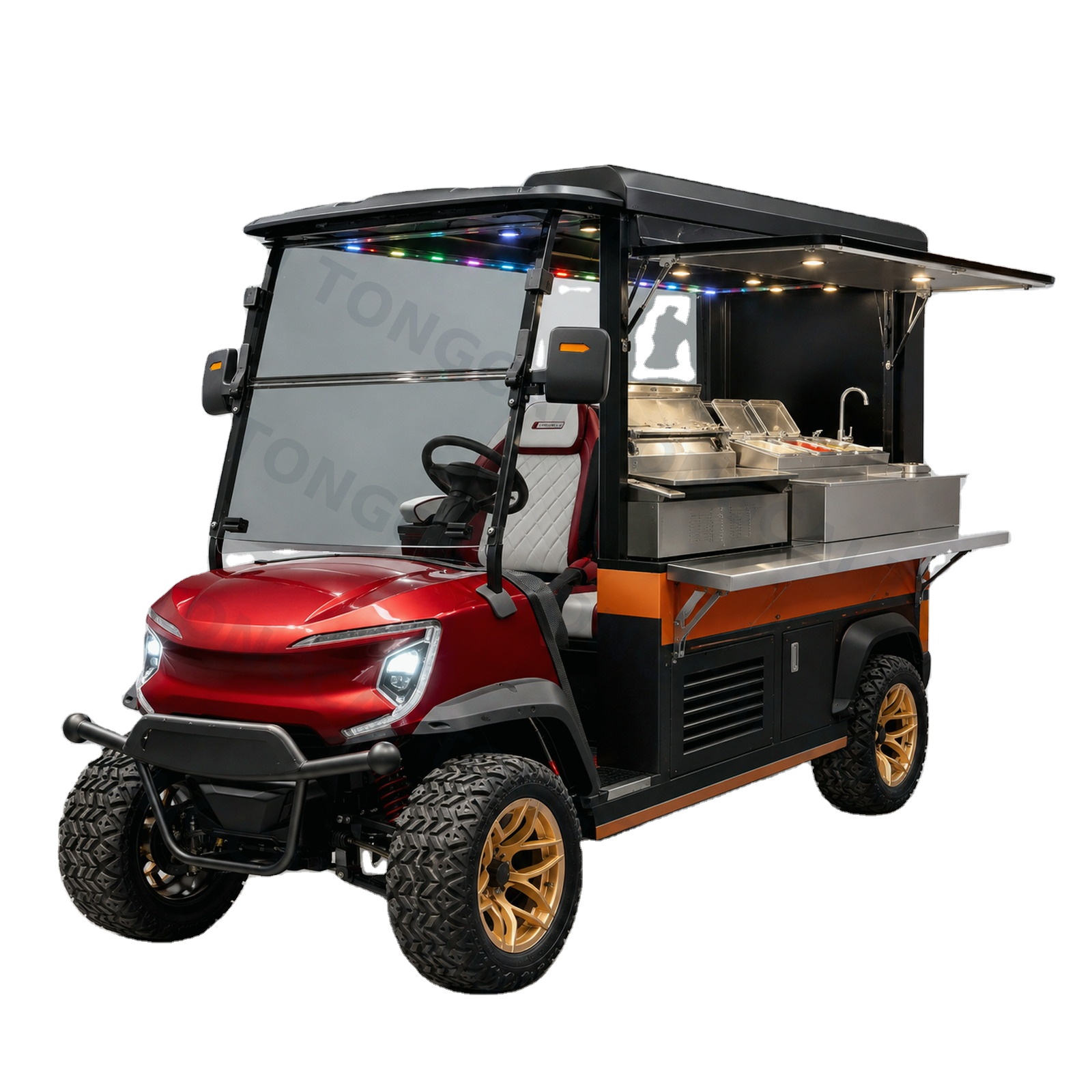
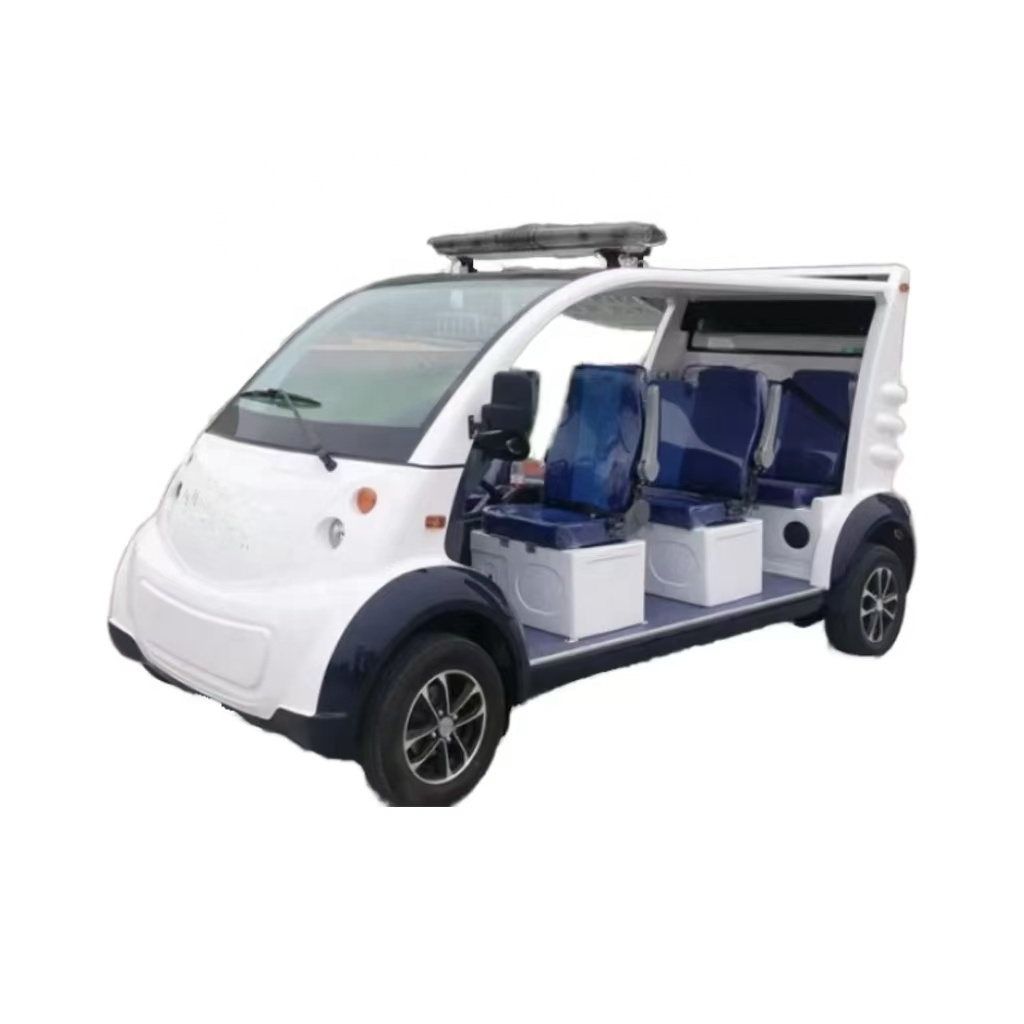
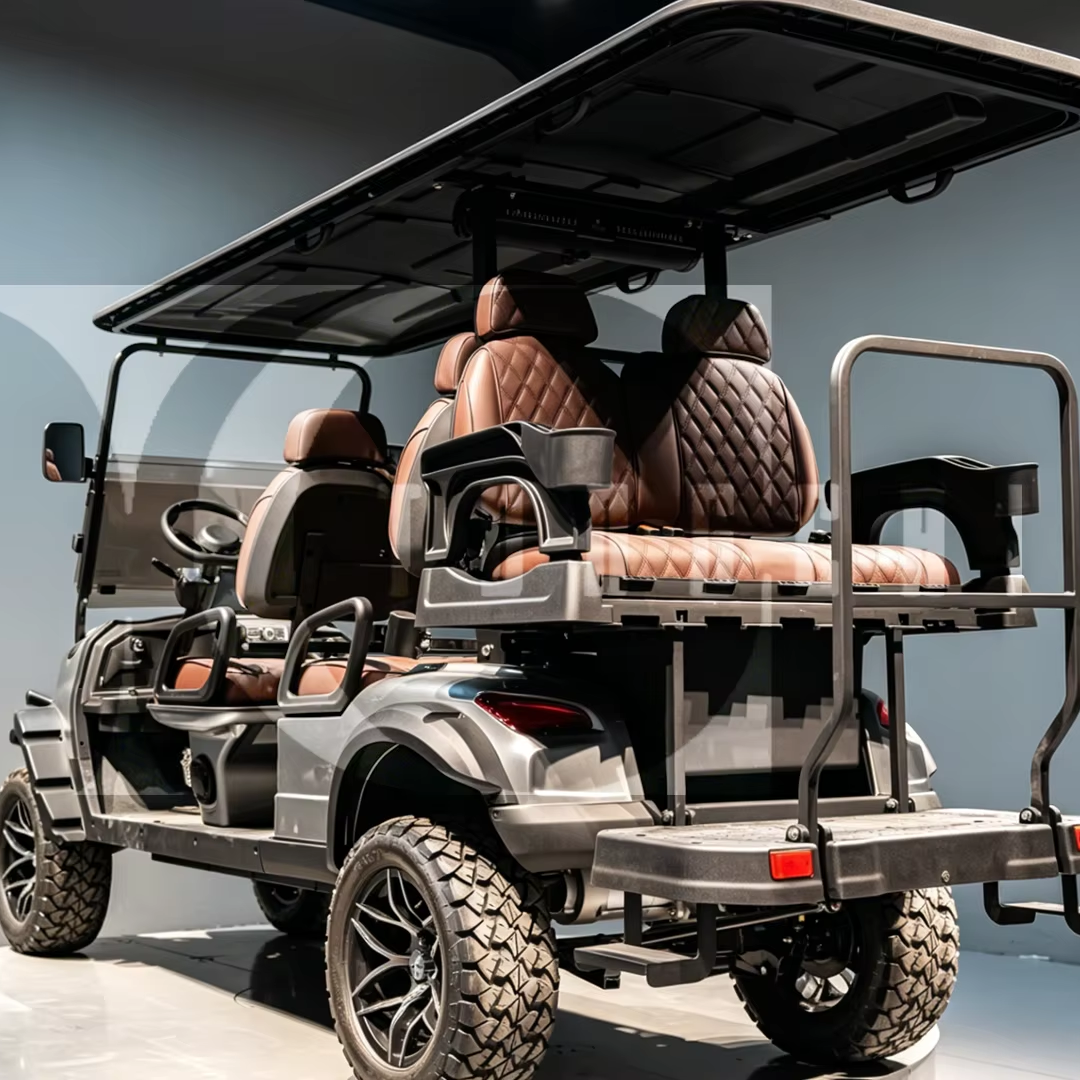
B2B buyers are abandoning single-purpose utility vehicles. The fastest-growing request at our OEM factory is a standardized 72V commercial chassis that can be switched between a 6-passenger guest shuttle, a covered baggage transport platform, a security patrol unit, or a quick-serve mobile culinary vending module via rapid-mount floor tracks and universal subframes.
Engineering Parameter
Conventional Aftermarket Assembly
CCB Factory OEM/ODM Direct Spec
Fleet Procurement Advantage
Chassis Architecture
Stamped mild steel, bolted sub-assemblies
100% Robot-welded tubular high-tensile frame
Zero structural squeaks, 2.5x torsional rigidity
Corrosion Protection
Standard aerosol or dip spray painting
Full electrophoretic immersion (E-coat) + Clear UV
1,200-hour salt spray test rating (coastal resort grade)
Powertrain Technology
DC brushed or unbranded 3kW motors
48V/72V 4kW-7.5kW AC Induction / PMSM Brushless
Maintenance-free, zero brush replacements, IP67 sealed
Battery Energy Density
Standard 6x 8V lead-acid deep cycle
Automotive-grade prismatic LiFePO4 with active CAN BMS
CE machinery directive, DOT FMVSS 500 LSV certifiable
Immediate municipal and street-legal license approvals
B2B Sourcing Handbook
Frequently Asked Questions for Electric Shuttle Sourcing
Clear, direct answers from our senior engineering team covering technical compliance, MOQ, global logistics, and custom OEM adaptation.
What is the Minimum Order Quantity (MOQ) for custom OEM shuttle orders?
For standard catalog configurations and prototype testing, we support sample orders starting from 1 unit. For complete OEM private-label branding (custom stamped cowl shapes, bespoke dashboard tooling, dedicated RAL paint matching, and localized user interfaces), cost optimization typically starts at full 20ft (2–4 units) or 40ft High Cube container loads (6–12 units depending on model knockdown status).
Can your electric shuttles meet US DOT LSV and EU road-approval standards?
Yes. Our engineering division builds units specifically tailored for Low-Speed Vehicle (LSV) street legal registration. Conforming builds include DOT-certified AS1 laminated automotive windscreens with wipers, three-point inertia reel seatbelts, illuminated digital speedometers, E-Mark LED road lighting (high/low beam, indicators, hazard lamps), dual exterior breakaway mirrors, and hydraulic 4-wheel braking systems.
How should fleet buyers decide between 48V, 60V, and 72V system architectures?
48V systems are the economical benchmark for level fairways, flat private estates, and light hospitality passenger movement. 60V systems offer a midpoint for extended 6-passenger carts. 72V AC induction systems are strongly recommended for high-capacity 8-to-14 seat shuttles, utility vending trucks with kitchen loads, and steep geographic terrains. Higher voltage draws less amperage for the same wattage output, reducing cable heat and increasing motor efficiency.
What shipping formats are available to minimize sea freight costs?
We provide two shipping modalities: CBU (Completely Built Up) inside reinforced, stackable steel frame crates—ideal for immediate deployment upon arrival; and SKD / CKD (Semi / Completely Knocked Down). CKD shipping dismounts the roof structure, wheels, windshield, and battery banks, allowing our shipping desk to fit up to 300% more vehicles per 40HQ container, lowering per-unit ocean freight charges dramatically.
How do you handle spare parts supply and post-sale technical training?
Every commercial container order is accompanied by a recommended Fast-Moving Spares Kit (brake pads, contactors, LED light modules, steering tie rods, throttle micro-switches, and suspension bushings). In addition, our engineering support desk provides full digital wire-harness schematics, diagnostic handheld scanner support, and real-time video troubleshooting directly with your local technicians.
Can auxiliary solar panel charging roofs be installed directly from the factory?
Yes. We engineer monocrystalline flexible solar charging roofs up to 350W-500W directly into the shuttle canopy. Driven through high-efficiency MPPT (Maximum Power Point Tracking) controllers, auxiliary solar tops can extend driving range by 10 to 18 km per sunny operating day, reducing plug-in grid dependency for island resorts, large national parks, and airport parking facilities.
Transform Your Commercial Micro-Transit Fleet with Direct Factory Engineering
Connect directly with our Dezhou factory engineering desk to review technical drawings, request container load plans, or receive tailored B2B quotation sheets within 12 business hours.
 Deutsch
 Português
 Español
 Français
 Italiano
 Русский
 한국어
 日本語
 العربية
 ไทย
 Tiếng Việt
 Türkçe
 Nederlands
 Indonesia
 עברית
 हिन्दी