
CE Certified
Direct-from-factory low-speed vehicles (LSV) engineered in our ISO 9001 certified Dezhou facility. Optimized for hospitality logistics, high-capacity campus transit, and modular utility conversions.
CE Certified
Dual Tandem Axle
Utility Conversion
Urban Commercial
OEM Chassis
Modular Storage
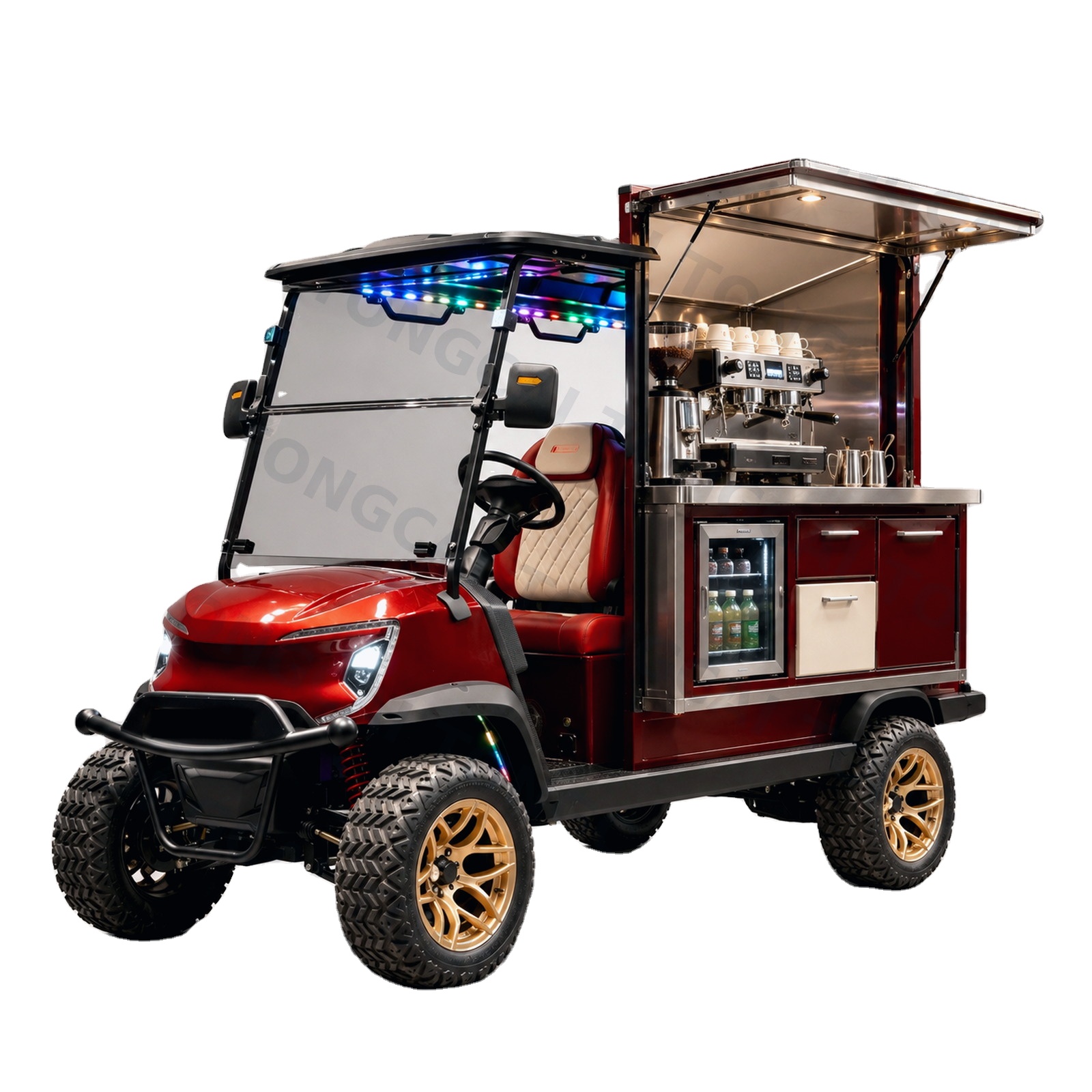
Integrated Sales
Scenic Shuttle
Procuring low-speed vehicles at scale requires an audit of material resilience, drivetrain duty cycles, and frame stress-distribution analysis.
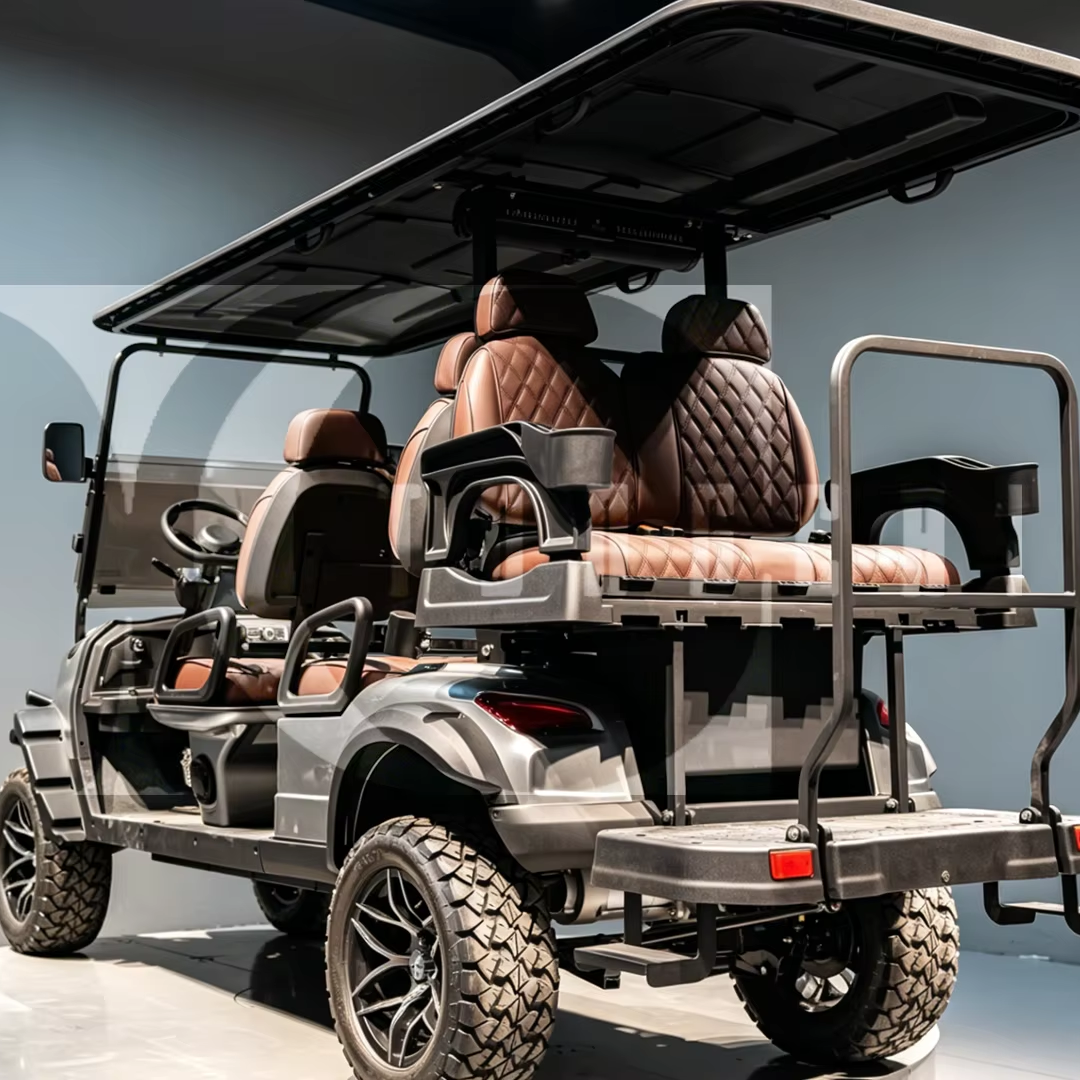
Unlike standard 2-passenger variants that experience localized torsional strain, a 6-passenger vehicle supports an extended wheelbase spanning 2,800 mm to 3,400 mm. Shandong CCB employs automated robotic welding on high-yield ASTM A500 structural tubular steel and 6061-T6 aeronautical-grade aluminum alloys to neutralize bending moment forces and ensure passenger compartment stability under payload capacities surpassing 650 kg.
The historical reliance on 48V DC series motors in resort shuttles has introduced chronic heat dissipation bottlenecks during prolonged uphill incline cycles. Modern fleet operations demand Permanent Magnet Synchronous Motors (PMSM) or 72V AC asynchronous drivetrains governed by programmable Curtis or Enpower vector controllers, delivering instantaneous torque transitions while reducing Ampere thermal loss by upwards of 32%.
Commercial coastal resorts and tropical island transport routes present severe atmospheric saline hazards. Shandong CCB mitigates substrate corrosion through a complete multi-stage pre-treatment, cathodic electrodeposition immersion bath, and thermosetting powder finish. This ensures structural chassis elements survive salt-spray chamber testing past 1,200 hours without surface pitting or weld seam failure.
| Engineering Vector | Conventional Catalog Assemblies | CCB Heavy-Duty OEM Standard | Fleet Operation Impact |
|---|---|---|---|
| Chassis Structure | Stitched channel iron, dip primed | Hydraulic bent steel / 6061-T6 Extrusion | Eliminates mid-frame flex under 6-passenger load |
| Suspension Dynamics | Single leaf springs & friction bushings | Front MacPherson strut + Rear trailing arm | Smooth transit over paved, gravel, and unpaved grades |
| Energy Storage | Deep-cycle flooded lead-acid (T-105 style) | Integrated LiFePO4 cells with CAN-Bus BMS | Saves 180kg payload, enables 3,500+ lifecycle cycles |
| Braking Architecture | Mechanical rear drum brakes | Four-wheel hydraulic disc + Auto EM brake | Reduces stopping distance by 45% on 20% inclines |
| Wiring Harness | Open copper bundle, taped connections | Automotive-grade harness with IP67 Amphenol plugs | Prevents moisture creep, terminal short-circuits, and fire hazards |
Evaluating commercial fleet procurement trends: How global regulations, lithium chemistry evolutions, and telematics are reshaping purchasing specifications through 2030.
Global logistics regulations and fleet total-cost-of-ownership (TCO) benchmarks have rendered lead-acid systems obsolete for high-utilization commercial sectors. Procurement trends confirm that over 88% of European and North American buyers mandate factory-integrated Lithium Iron Phosphate (LiFePO4) systems. These packs feature intelligent CAN-bus Battery Management Systems (BMS), high thermal stability, opportunity fast-charging capabilities, and a 5-year zero-maintenance operational window.
Modern enterprise hospitality operators, international airports, and smart-city residential communities now require integrated 4G/GPS telematics modules built into the original harness. OEM factories must offer direct interfaces for remote battery degradation tracking, real-time geofenced speed governed zoning, automated diagnostic telemetry, and remote disabling protocols to reduce liability, unauthorized operation, and unexpected field failures.
Procurement teams are shifting away from generic off-road utility vehicles to road-legal classifications (such as US DOT FMVSS 500 LSV and European Union EEC L7e low-speed vehicle certification). This compliance standard necessitates factory-installed DOT-certified AS4 laminated automotive windshields, dual-circuit hydraulic disc systems, three-point inertia-reel seatbelts, illuminated indicators, reversing cameras, and digital speedometers.
The progression of low-speed personal and guest transportation platforms from customized carts into smart, sustainable mobility hubs.
Next-generation commercial platforms are phasing out legacy silicon MOSFET inverters in favor of Silicon Carbide (SiC) microelectronic switches. This architectural upgrade cuts inverter power loss by 60%, drastically decreases heat sink bulk, and allows controllers to operate in ambient temperatures reaching 55°C without de-rating motor torque. This is a critical development for Middle Eastern and equatorial resort operations.
Solar auxiliary power is moving from fragile rigid glass panels to aerodynamic, high-efficiency monocrystalline flexible shingled solar panels integrated directly into the canopy thermoformed mold. Delivering up to 350W peak charging output under direct sunlight, these systems constantly top up the battery pack while parked or in motion, extending operating range by 15-25 km per daily duty cycle and minimizing electrical grid strain.
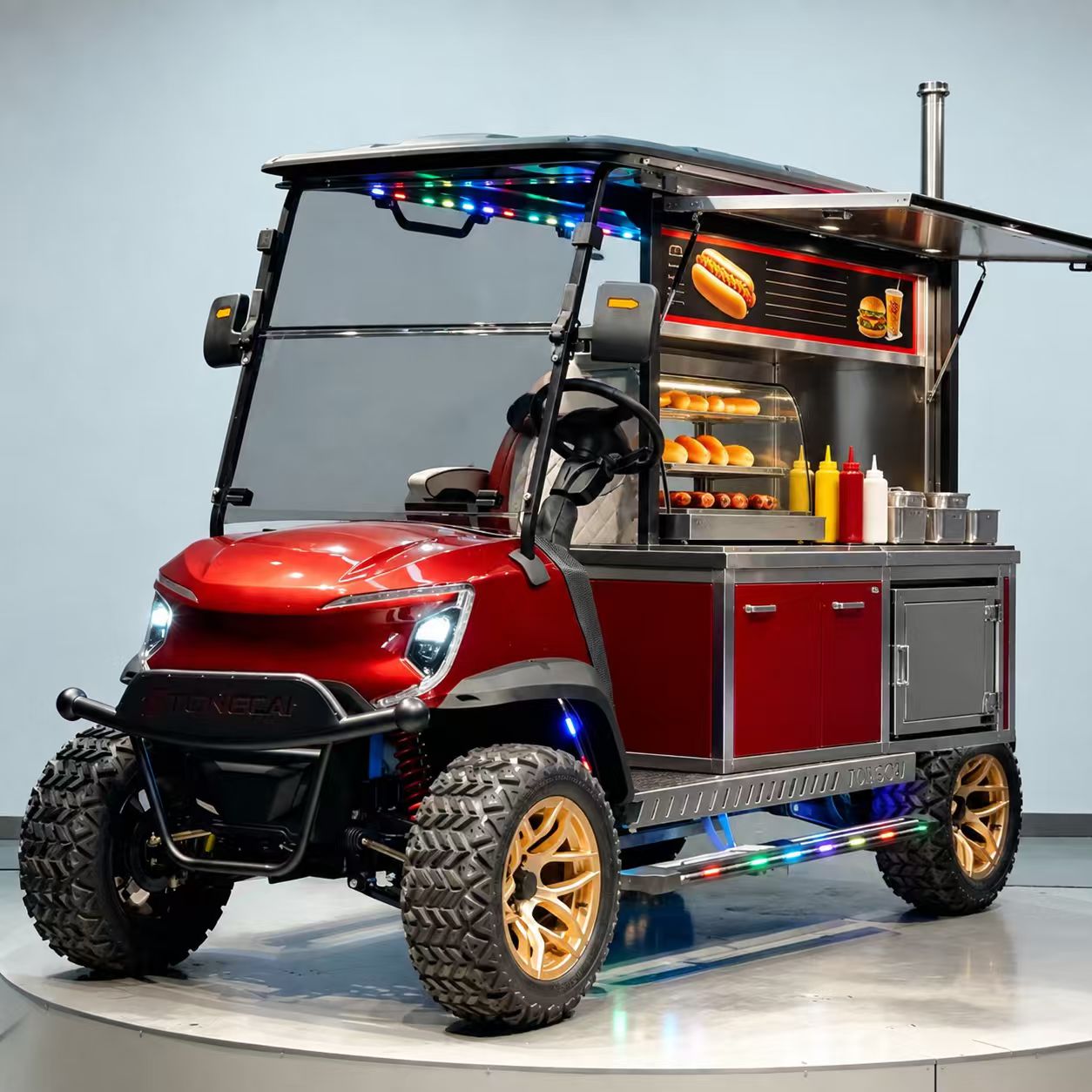
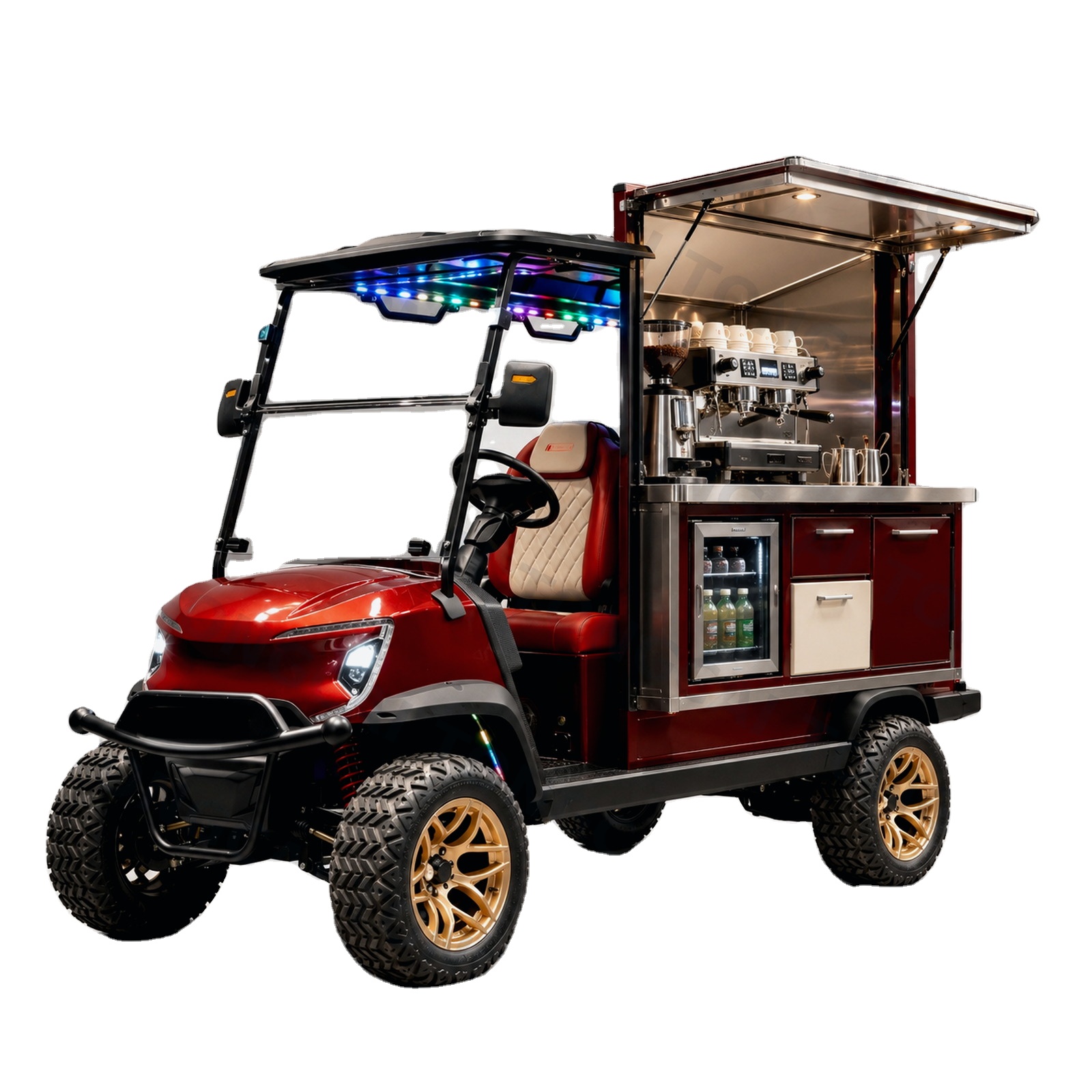
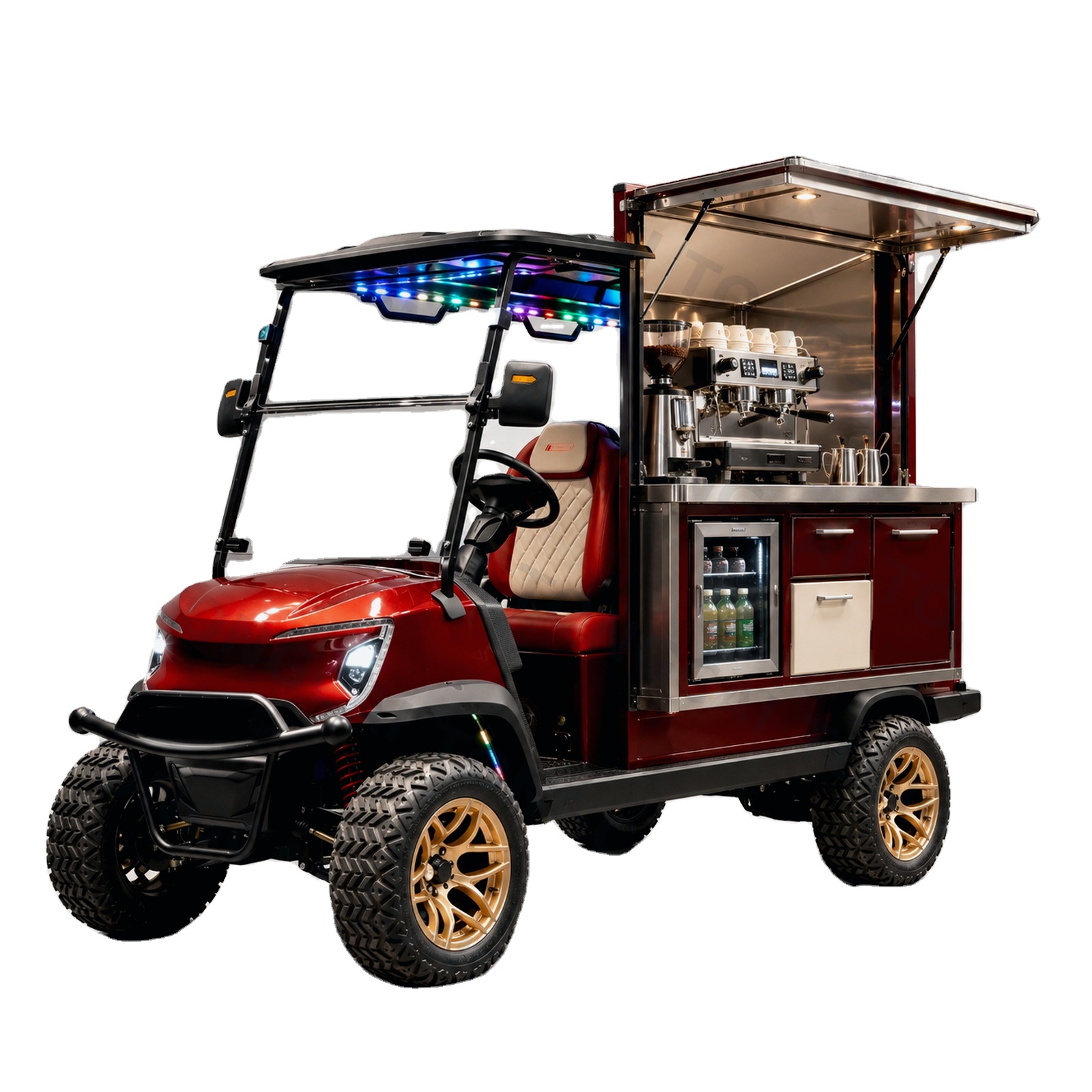
Factory-level efficiency now utilizes standardized ladder sub-frames where the rear section can be converted within 20 minutes from a forward-facing 6-passenger layout to a 4-passenger + cargo drop-deck configuration, or a mobile hospitality kiosk. This flexibility enables international distributors to streamline their SKU stock keeping, purchasing an identical chassis base and modifying top-tier components based on dynamic client orders.
Combining complete vertical integration with engineering precision across our 14,200 m² heavy-industrial manufacturing center.
Rather than functioning merely as an assembler of pre-sourced components, Shandong CCB retains full internal ownership over every critical tooling phase. From automated CNC laser pipe cutting, precision multi-axis hydraulic bending, and robotic welding fixtures, down to double-stage spray coating and final electronic test benches, our 14,200 m² Dezhou plant controls manufacturing tolerances to ±0.2 mm.
As an officially verified manufacturer by TÜV Rheinland on-site audits, our operational processes conform rigorously to ISO 9001 and CE directives. Fleet operators benefit from comprehensive export compliance paperwork, verified welding tensile certificates, CAN-bus electrical schematics, and factory-issued COC documentation that streamlines local customs clearance.
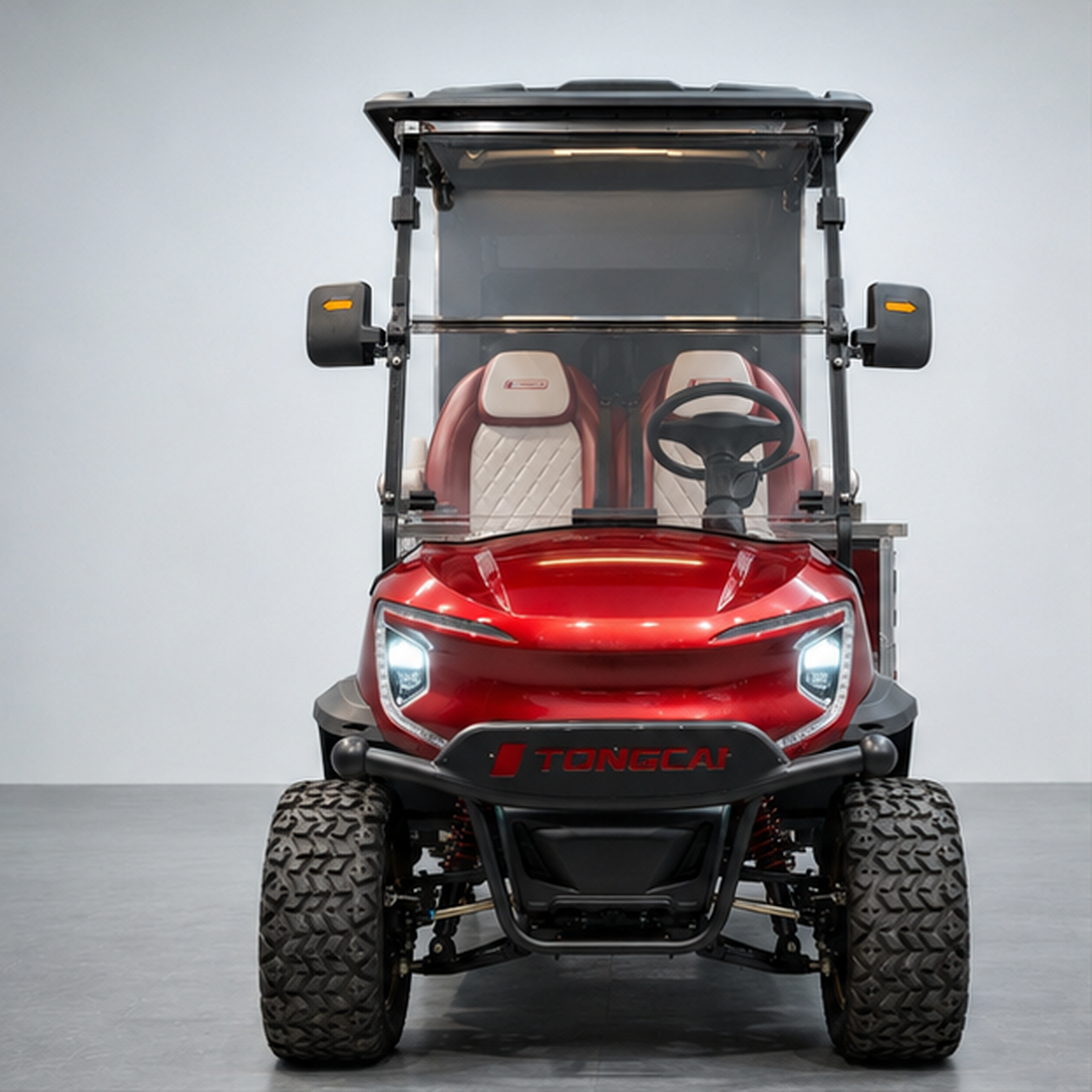
Whether configuring tailored 48V, 60V, or 72V architecture, customized high-traction lifted transaxles, bespoke luxury upholstery with embroidery, corporate livery paint colors, or specialized food and hospitality kiosks, our dedicated R&D engineering division accommodates low MOQs (starting at single units for evaluations) up to high-volume multi-container scheduled drop-shipments.
Expert answers addressing the logistical, technical, and regulatory questions raised by global distributors and fleet operators.
Consult with our lead engineering team to review technical CAD layouts, analyze container logistics, or request custom OEM/ODM pricing for your regional fleet distribution.