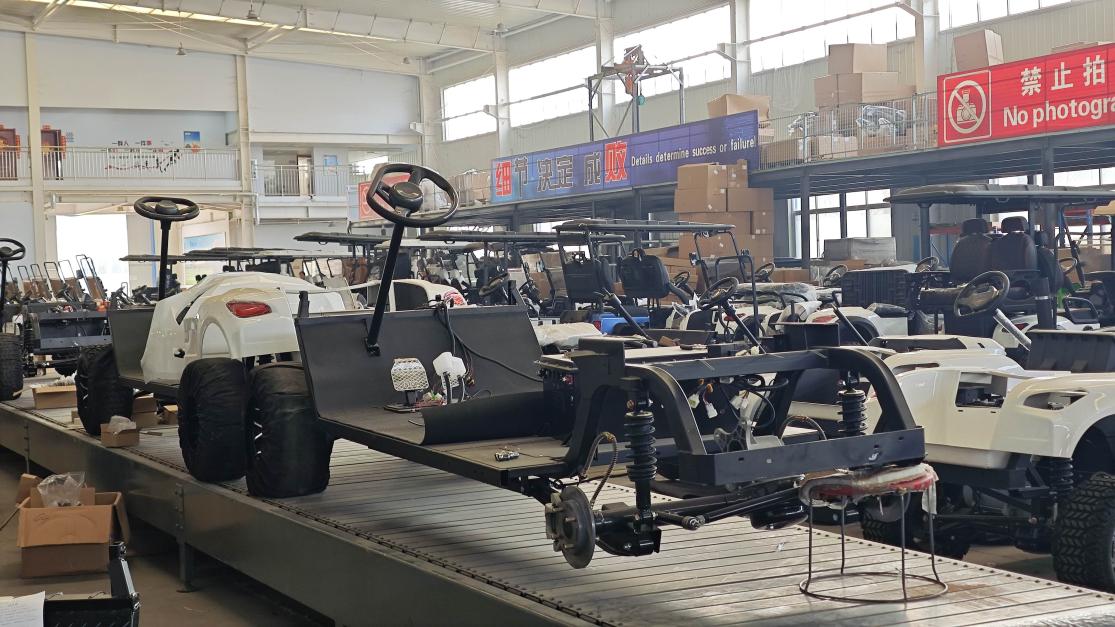
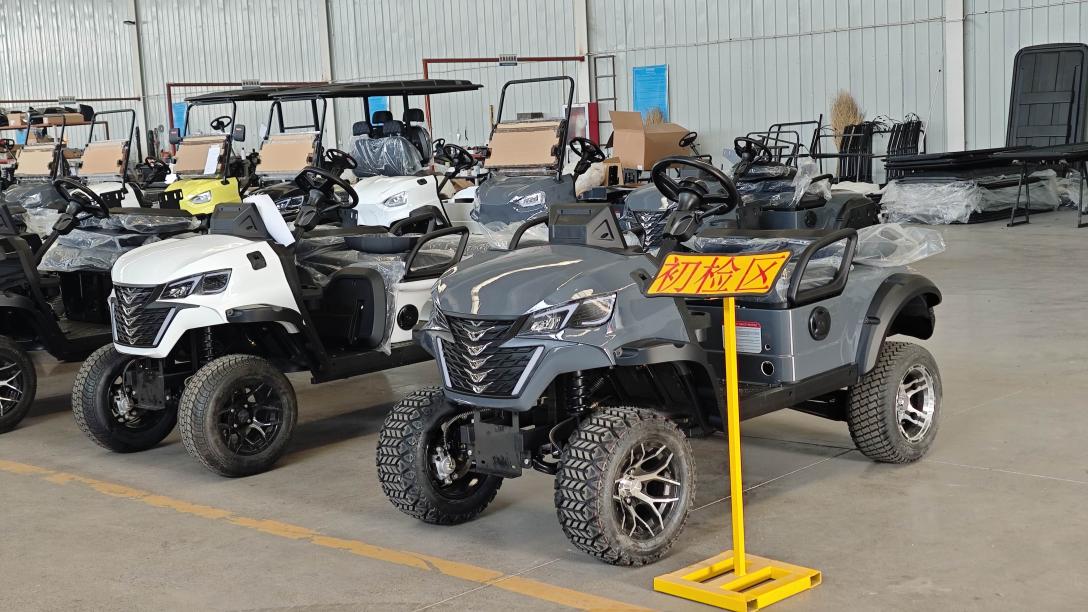
Full-scale OEM/ODM manufacturing verified by TÜV Rheinland. Directly sourced from our 14,200 m² Dezhou production base with customized chassis, proprietary controller calibrations, and global powertrain compliance.
Strategic Engineering Evolution: The Low-Speed Electric Vehicle (LSV) Revolution
The global tourist sightseeing car and low-speed shuttle landscape is undergoing a permanent technological shift. Traditional legacy models—historically built with low-voltage lead-acid battery packs and converted internal combustion frames—are being systematically replaced by specialized automotive-grade electric architectures. Modern hospitality hubs, nature sanctuaries, gated municipal districts, and multi-acre luxury resorts demand higher energy density, zero-emission operational profiles, minimal lifecycle service intervals, and structural adherence to localized street-legal certifications.
Technical Insight: By shifting from standard 48V direct-current systems to high-efficiency 72V AC induction and permanent magnet synchronous motors (PMSM), commercial operators reduce thermal loss by over 28% while improving torque curves across undulating inclines up to 30% grades.
As an authoritative custom OEM factory, Shandong CCB New Energy Machinery Co., Ltd. addresses the nuanced constraints facing international distributors and operational fleets. The contemporary tourist vehicle is no longer a simple transit buggy; it has morphed into a sophisticated micro-mobility node requiring rigorous chassis structural integrity, advanced telematics integration, regenerative braking modules, and adaptable passenger ergonomics.
Strategic product development directions based on global compliance updates and fleet operator demands.
LiFePO4 Power Transition
Lithium Iron Phosphate (LiFePO4) chemistries provide more than 3,500 continuous charging cycles, integrated Smart BMS cell balancing, and rapid recharge profiles that eliminate the maintenance hazards and heavy tare weight inherent to traditional lead-acid configurations.
Anti-Corrosive Architecture
Resort and oceanfront tourist destinations cause rapid frame degradation. Next-generation platforms leverage automated electro-coating (electrophoresis) alongside hot-dip galvanized marine-grade aluminum alloy chassis that resist extreme coastal salinity and ambient moisture.
IoT Telematics & Geofencing
Fleet efficiency hinges on active monitoring. Modern tourist car designs incorporate modular CAN-bus architectures, enabling plug-and-play GPS fleet dispatching, remote battery health telemetry, digital speed governances, and precision automated geofencing.
Future Procurement Trends: Optimizing Total Cost of Ownership (TCO) for Fleet Buyers
B2B fleet procurement officers, destination management operators, and overseas vehicle distributors are radically revising their sourcing criteria. Where lowest-initial-purchase-price once dictated purchasing decisions, contemporary procurement departments focus heavily on Total Cost of Ownership (TCO), long-term spare-parts continuity, and modular chassis scalability.
1. Direct Source Customization vs. Third-Party Brokers: Intermediary sourcing creates compounding markups, sluggish engineering modifications, and communication breakdown when addressing target-market homologation (such as European EEC/COC standards or North American DOT/LSV street certification). Sourcing directly from an established manufacturing plant ensures that chassis load capacities, braking distances, light clusters, and steering configurations conform precisely to jurisdictional boundaries without post-import retrofits.
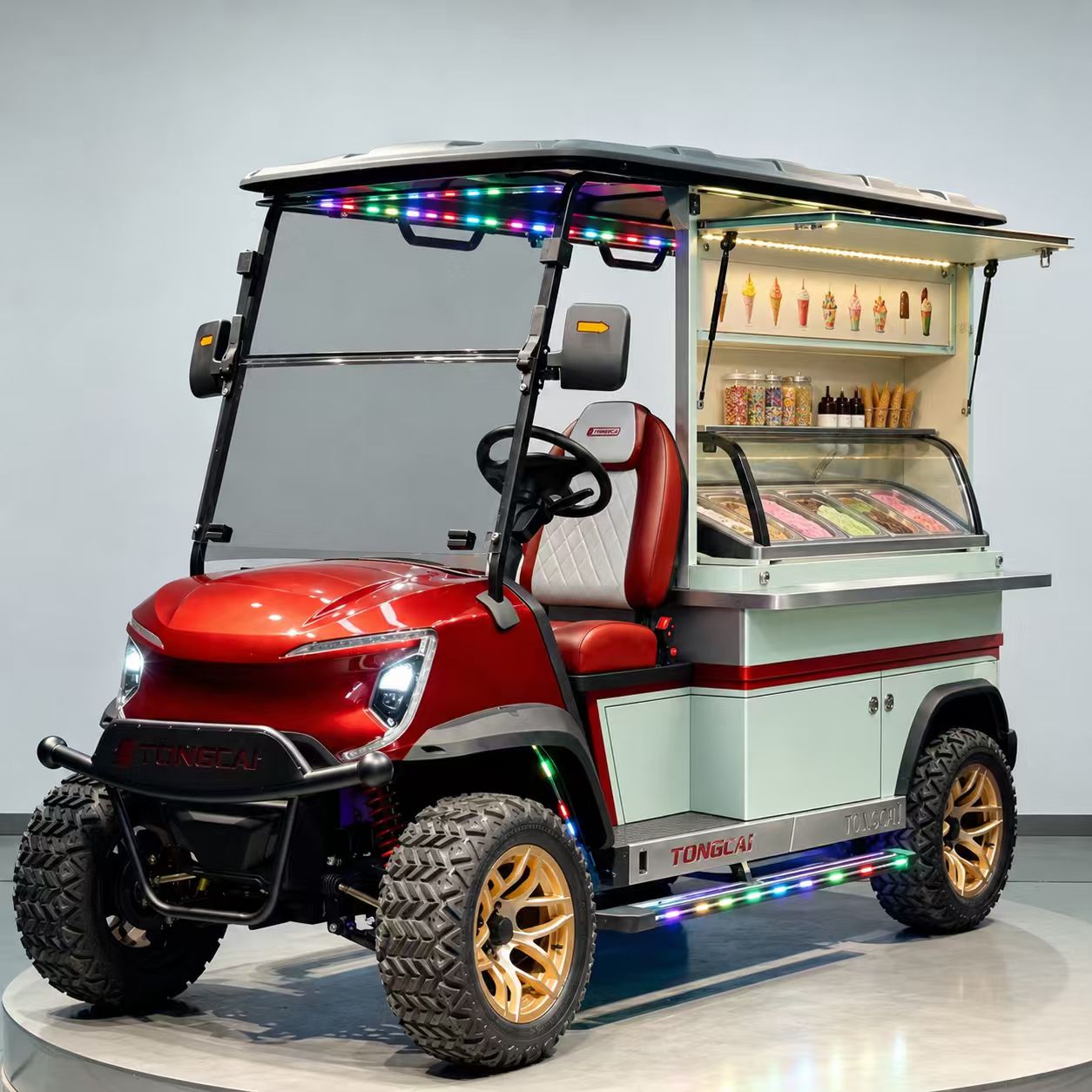
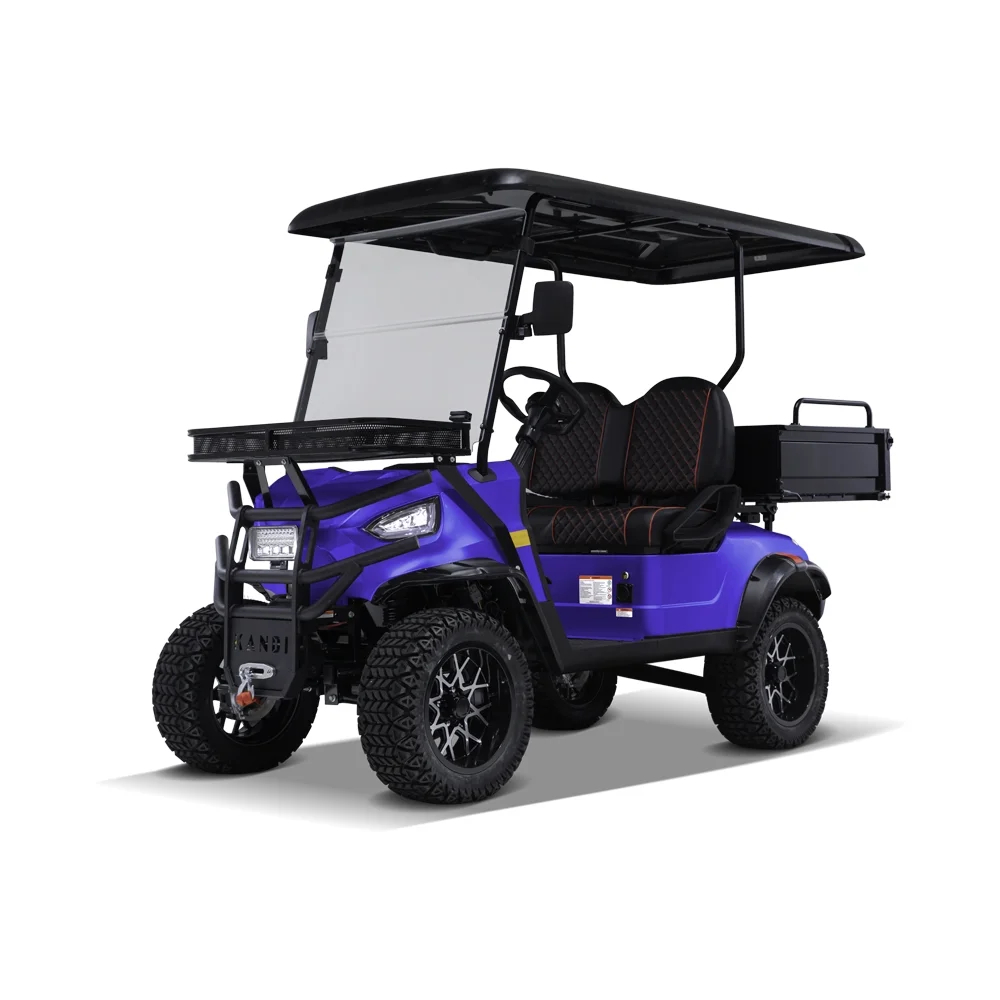
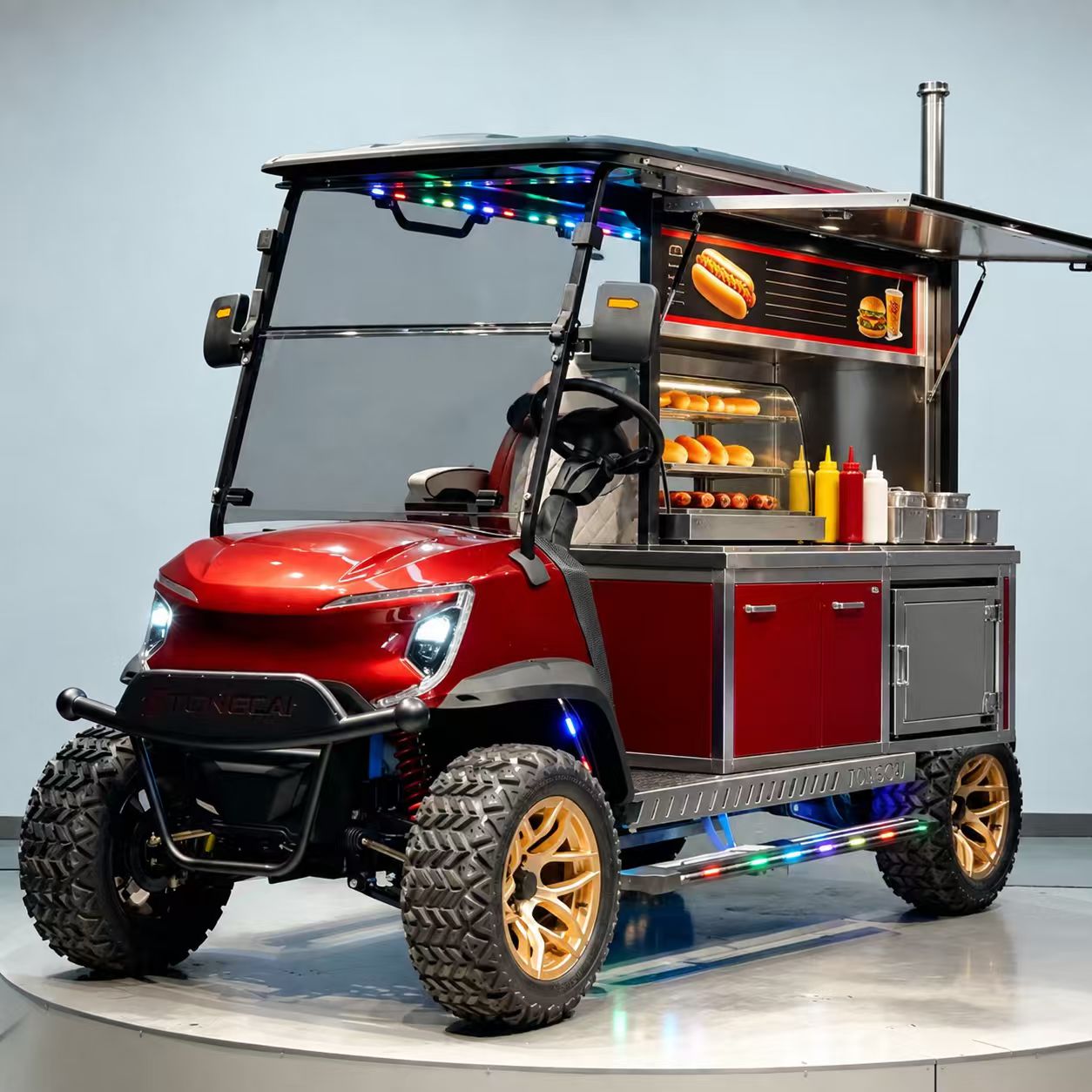
2. Mixed-Configuration Container Logistics: Forward-thinking distributors optimize shipping economics by orchestrating composite container freight. By working with a factory capable of producing lifted utility golf carts, high-capacity 6–10 seat passenger shuttles, and specialized mobile retail carts simultaneously, importers maximize interior container cubic capacity via customized breakdown and knock-down (CKD/SKD) loading strategies.
3. Predictable Parts Availability & Standardization: Custom OEM manufacturing requires standardized sub-assemblies. By employing universal motor controllers (such as programmable Curtis or Enpower systems), automotive rack-and-pinion steering gearboxes, and hydraulic four-wheel disc brake systems, maintenance technicians can source common consumable components domestically while relying on direct factory channels for bespoke structural panels.
Enterprise Superiority
Factory-Direct Advantages: Shandong CCB New Energy
Uncompromising quality assurance derived from complete in-house vertical manufacturing integration.
Vertical Manufacturing
Unlike regional assemblers reliant on outsourced chassis, our 14,200 m² workshop executes raw pipe cutting, CNC precision bending, robot-assisted welding, powder coating, and final assembly entirely on site.
TÜV Rheinland Audited
Our workshop, production capacities, design capabilities, and managerial controls are audited and certified on-site by TÜV Rheinland, providing verified transparency for international contract confidence.
Modular OEM/ODM Engineering
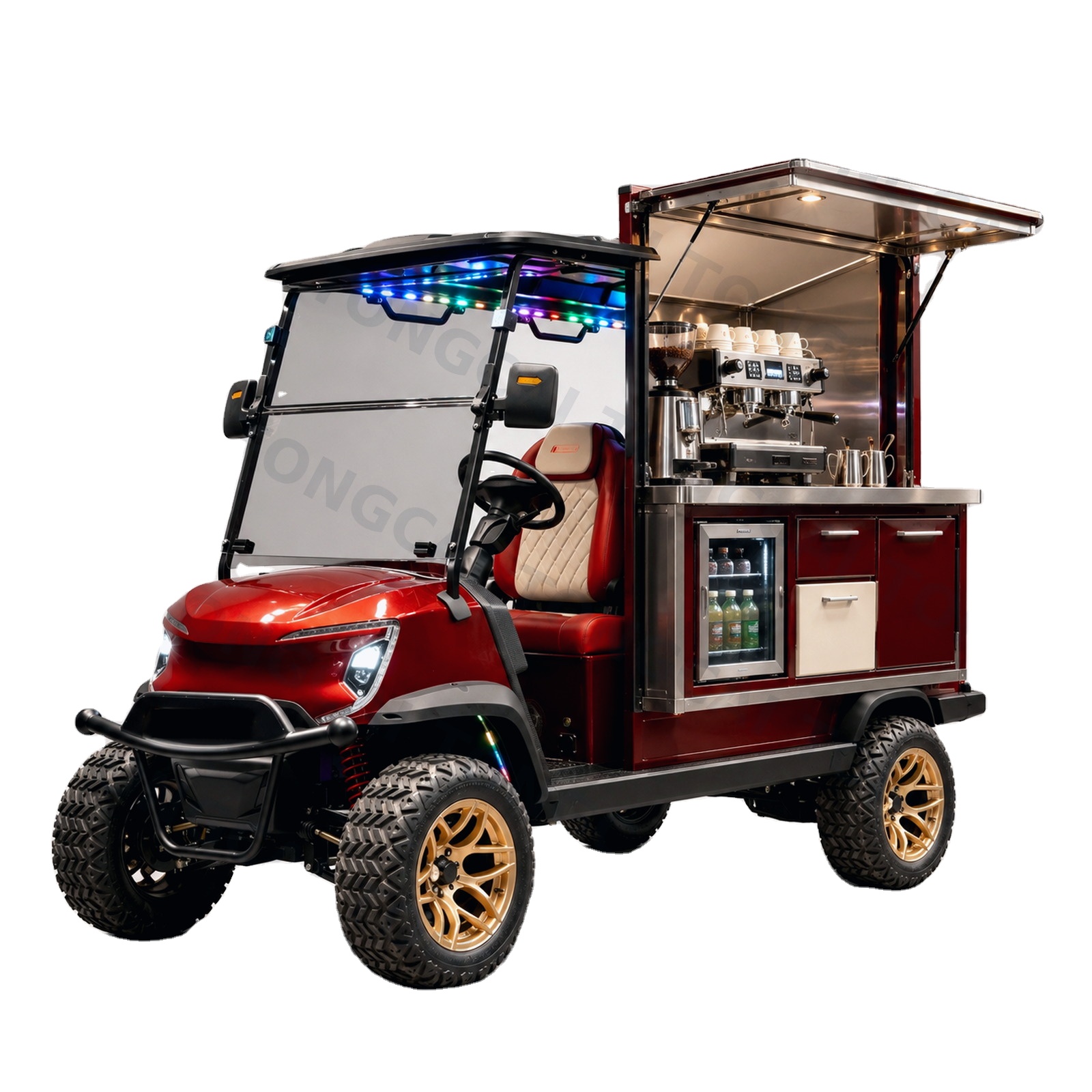
We supply private-mold body shells, customized passenger layouts (from 2-seat luxury lifted carts to 10-seat commercial transporters), integrated solar recharge roofs, bespoke corporate badging, and tailored paint systems.
Comprehensive Documentation
Every commercial order is accompanied by detailed electrical schematics, wire harness tracing guides, maintenance technical bulletins, and official export compliance documentation for frictionless customs processing.
Quality Assurance
Standardized 8-Stage Manufacturing & FQC Protocol
From raw alloy raw stock to dyno-tested export packaging, inspect how our facility controls precision.
Stage 01
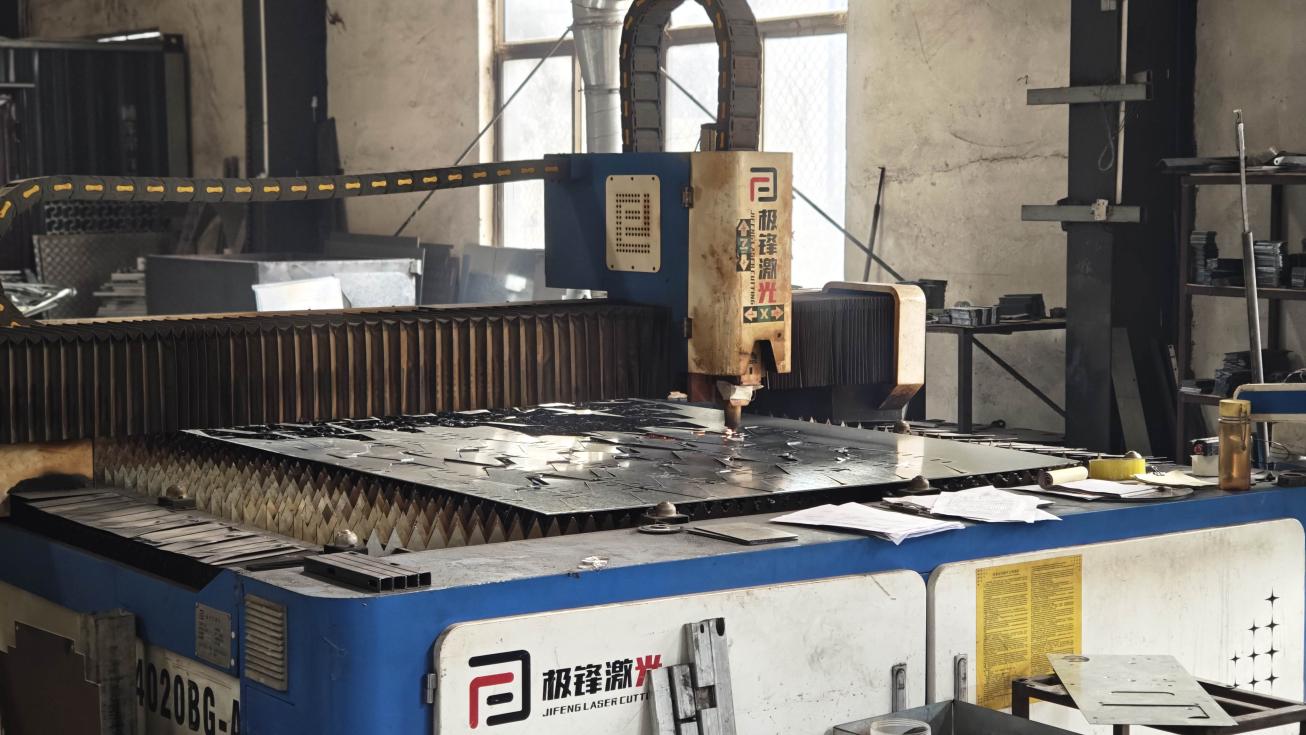
Laser Tube Cutting
High-tolerance fiber laser cutting of structural frame tubes and load-bearing brackets.
Stage 02
CNC Pipe Bending
Automated mandrel bending ensuring absolute symmetry for roof canopy pillars and chassis rails.
Stage 03
Precision Jig Welding
Heavy-duty robotic and manual MIG welding on rigid calibration jigs to prevent frame distortion.
Stage 04
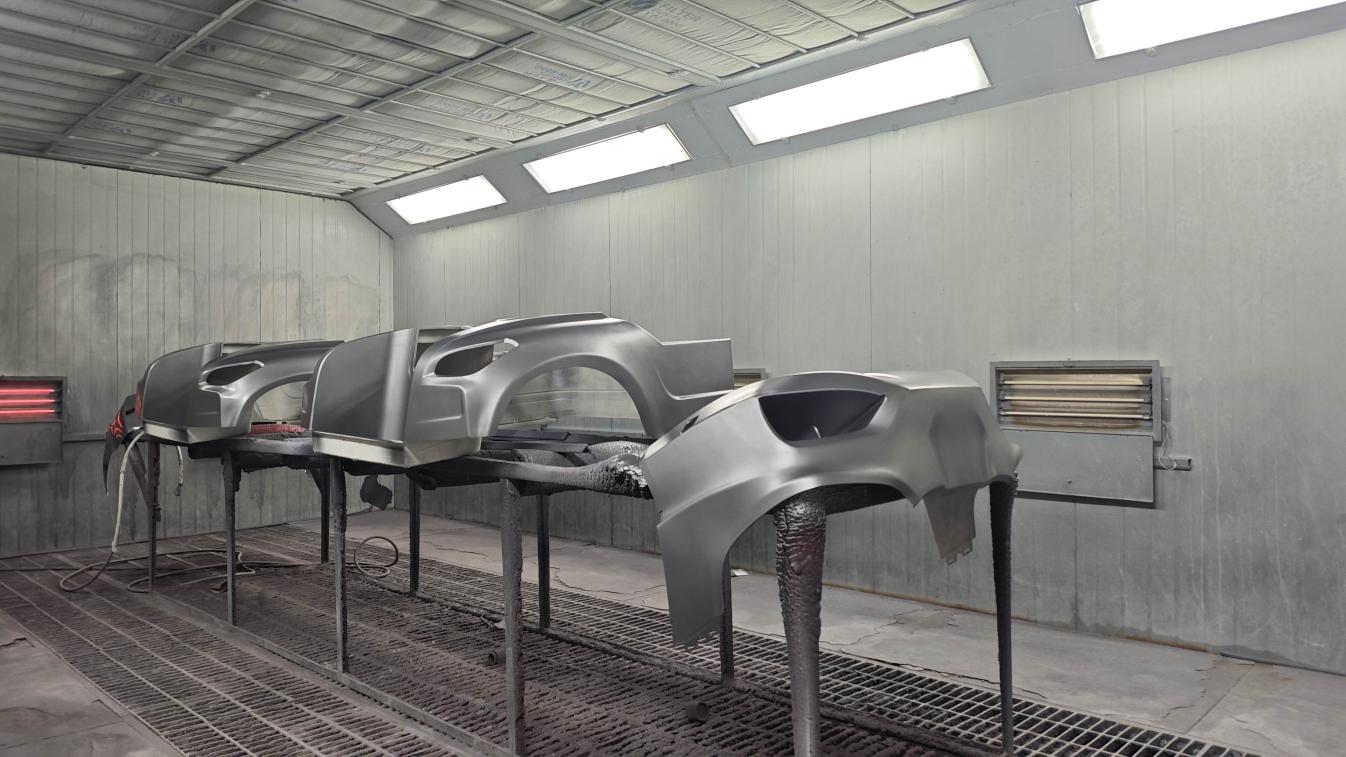
Anti-Rust Coating
Multi-step immersion pre-treatment followed by high-durability electrostatic powder coating.
Stage 05
Drivetrain Assembly
Integration of transaxles, AC electric motors, hydraulic brake lines, and MacPherson suspension.
Stage 06
Bodywork & Electrics
Installation of injection-molded automotive bodies, wiring looms, digital instrument clusters, and seating.
Stage 07
Diagnostic Testing
Comprehensive computer analysis of controller mapping, insulation resistance, and braking torque.
Stage 08
FQC Dynamic Road Test
100% active load testing, alignment verification, water-tightness spraying, and secure steel frame crating.
Procurement Guide
Frequently Asked B2B Sourcing Questions
Authoritative operational answers addressing MOQ, customization parameters, and logistics.
What is your Minimum Order Quantity (MOQ) for custom OEM tourist vehicle specifications?
To support professional market sampling, proof-of-concept testing, and municipal pilot programs, our baseline MOQ begins at just 1 unit for catalog-engineered platforms. For comprehensive private-label OEM manufacturing (incorporating customized paint codes, brand badging, customer-specified seat upholstery, customized digital dashboard splash screens, and localized controller firmware), production runs typically activate at full 20-foot (GP) or 40-foot high-cube (HQ) container volumes to optimize unit shipping amortization.
How does your engineering team compare LiFePO4 Lithium versus Deep-Cycle Lead-Acid powertrains?
While deep-cycle lead-acid batteries offer an accessible initial procurement cost for seasonal or low-mileage applications, Lithium Iron Phosphate (LiFePO4) systems represent superior economic value over a 3-to-5 year operational window. LiFePO4 batteries deliver more than 3,500 continuous discharge cycles (against 500–700 for AGM/lead-acid), eliminate the labor-intensive requirements of cell watering and terminal acid cleaning, slash curb weight by up to 130 kg (yielding immediate range and acceleration improvements), and feature opportunity charging capability without memory degradation.
Can your factory accommodate regional compliance standards like European EEC/CE or US DOT/LSV?
Yes. Our vehicles are manufactured to integrate certified sub-components conforming to international standards. For North American Low-Speed Vehicle (LSV) compliance under Federal Motor Vehicle Safety Standard 500 (FMVSS 500), we equip units with DOT-approved laminated glass windshields with electric wipers, three-point safety harnesses, SAE-rated lighting arrays, dual exterior side-view mirrors, dynamic emergency parking brakes, and 17-digit VIN assignments. For EU destinations, CE documentation and corresponding EMC motor testing reports are supplied to ensure rapid localized port clearance.
What packaging methods are utilized to prevent shipping damage during maritime container transit?
We employ two primary export packaging formats based on dealer workshop capability. For quick deployment, Semi-Knocked-Down (SKD) vehicles arrive bolted into custom high-tensile steel skeletal cages, fully wrapped in anti-static moisture-barrier film and stackable within 40HQ ocean containers. For high-volume distributors with dedicated assembly lines, Complete-Knocked-Down (CKD) packing maximizes space efficiency, lowering ocean freight per unit by up to 45% while keeping components safe in foam-lined modular crates.
How does your after-sales support protocol function for overseas distributors and fleet mechanics?
Every vehicle series is backed by factory technical support. We supply direct English-language digital repair manuals, comprehensive exploded-view parts catalogs with international component cross-referencing, schematic wiring blueprints, and dedicated engineer-to-engineer remote video diagnostics. Additionally, we stock and ship essential fast-moving maintenance consumables (brake pads, steering knuckles, relays, tire assemblies, and controller hardware) with priority air couriers, ensuring client fleets experience near-zero downtime.
Connect Directly with Our Automotive Engineering Team
Whether you require a custom 10-unit hotel shuttle fleet, private-mold off-road lifted resort buggies, or an exclusive territorial distribution partnership, our engineering desk is ready to configure your specifications.
 Deutsch
 Português
 Español
 Français
 Italiano
 Русский
 한국어
 日本語
 العربية
 ไทย
 Tiếng Việt
 Türkçe
 Nederlands
 Indonesia
 עברית
 हिन्दी