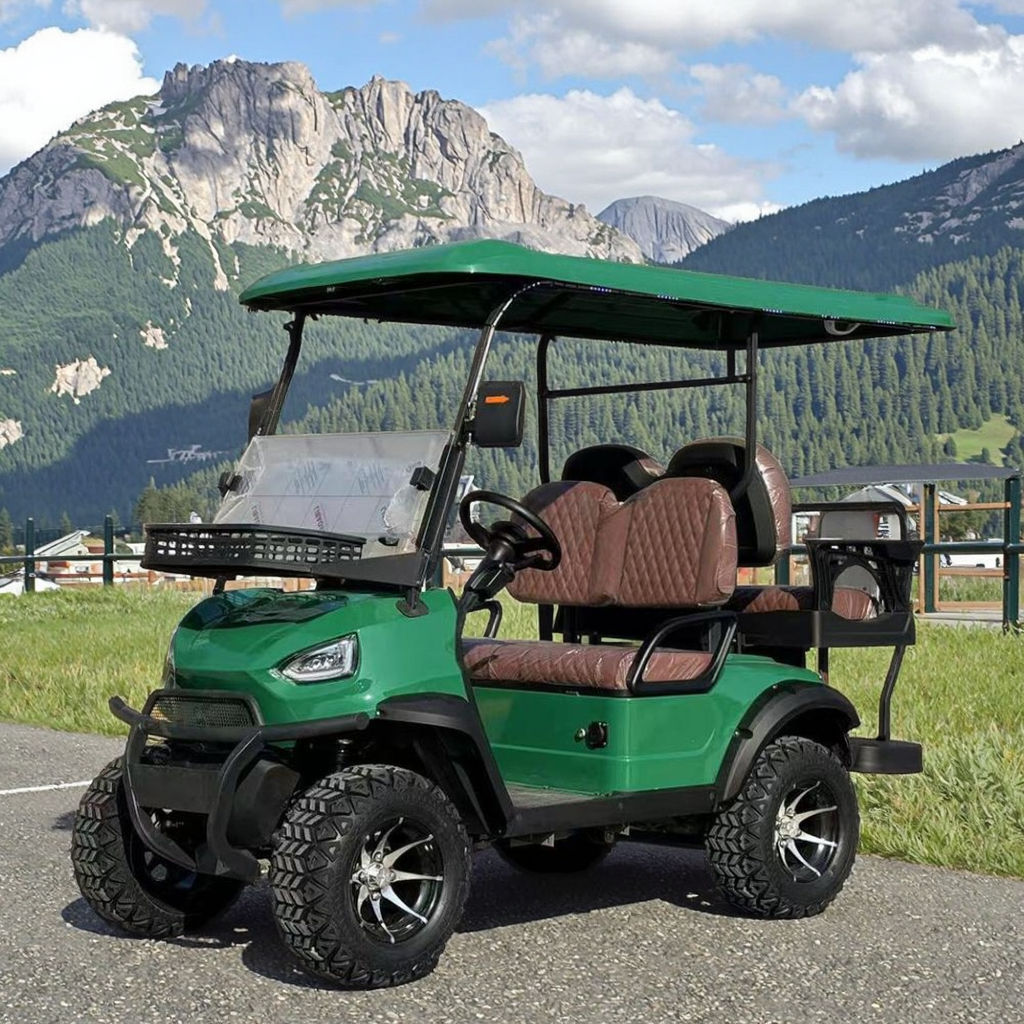
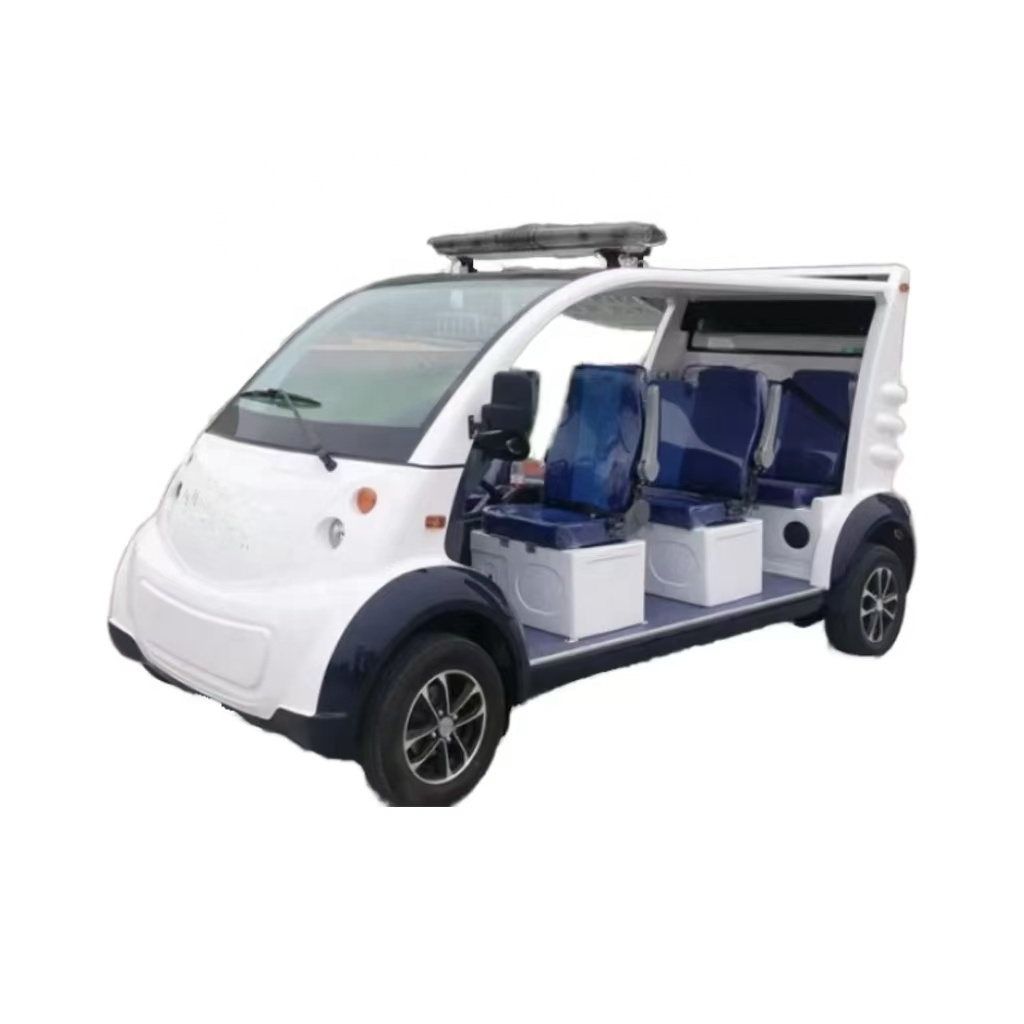
A rigorous industrial perspective on custom electric sightseeing bus fabrication, powertrain engineering, total cost of ownership (TCO), and global homologation standards.
The worldwide transition toward sustainable, zero-emission mass transit across enclosed and semi-enclosed commercial zones has fundamentally shifted low-speed passenger transport from converted utility platforms to purpose-engineered, automotive-grade electric sightseeing buses. Modern procurement demands far exceed cosmetic appeal: global fleet operators, resort conglomerates, scenic destinations, and municipal transit entities require high structural fatigue resistance, intelligent battery thermal management, multi-circuit regenerative braking systems, and flexible OEM chassis modularity.
As a specialized tier-one manufacturer headquartered in Tianqu Industrial Park, Dezhou, Shandong, Shandong CCB New Energy Machinery Co., Ltd. (CCB) operates an advanced 14,200 m² state-certified production complex. Audited and verified on-site by TÜV Rheinland, CCB bridges the gap between boutique design customization and high-throughput industrial reproducibility. By consolidating high-precision tube laser cutting, multi-axis computerized pipe forming, robotic welding, cathodic electrodeposition (E-coat) anti-corrosion treatment, and proprietary drive-axle assembly beneath one roof, we deliver sightseeing vehicle solutions configured to exacting local environmental conditions and legal mandates.

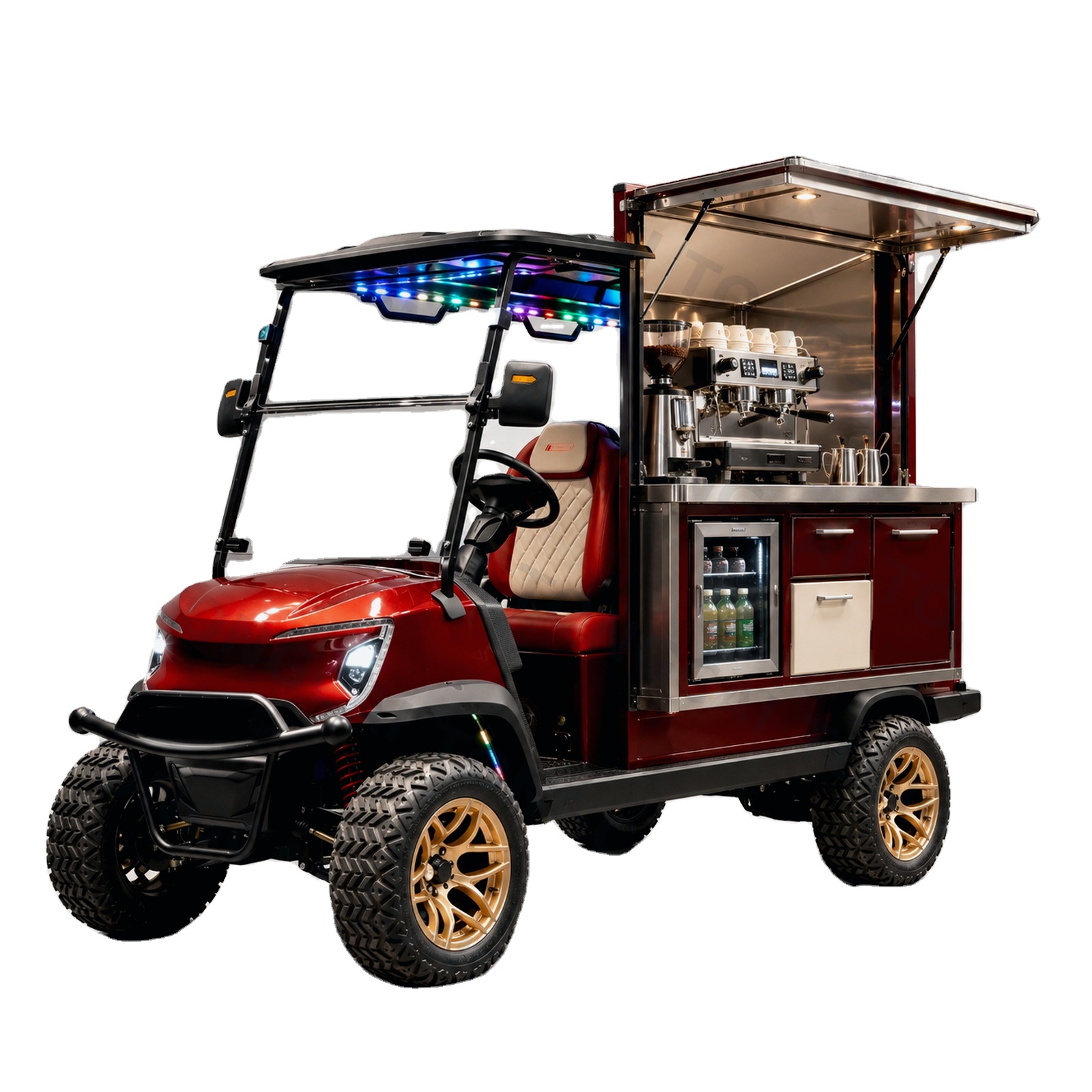
Direct factory supply of certified electric sightseeing buses, club carts, mobile vending units, and specialty low-speed transport platforms.
Unlike third-party assembly integrators, CCB controls the complete structural fabrication lifecycle from raw rectangular hollow section (RHS) steel to final dynamic road testing.
Utilizing high-yield Q235B structural carbon steel and 6061-T6 aviation-grade aluminum extrusions, raw profiles undergo 3D fiber laser cutting and CNC multi-radius pipe bending to prevent micro-fissuring across high-stress load-bearing points.
Chassis members are locked into high-tolerance pneumatic fixtures and joined via robotic GMAW (gas metal arc welding). Completed space-frames pass through multi-bath cathodic electrophoresis (E-coat) followed by electrostatic polyester powder coating, ensuring 1,000+ hours salt-spray resistance.
Drivetrain, suspension linkages, hydraulic brakes, and wiring harnesses are sequentially fitted. Finished vehicles execute rigorous final quality control (FQC), comprising 25-degree ramp gradeability, electronic brake-force distribution checks, water-ingress simulation, and continuous chassis dynamometer stress testing.
In low-speed public transit applications, structural deflection directly compromises passenger safety, steering responsiveness, and tire wear rates. CCB employs finite element analysis (FEA) to simulate torsional stress experienced under full payload conditions across unpaved tourist paths and steep scenic grades. The comparison table below highlights our technical differentiators:
| Engineering Attribute | CCB Custom OEM Standard | Generic Market Assembler | Operational Consequence |
|---|---|---|---|
| Chassis Substrate | High-tensile Q235B RHS / 6061-T6 Aluminum | Standard low-carbon angle iron | Up to 38% weight reduction; superior impact deflection without brittle fracture. |
| Surface Pre-Treatment | Cathodic Electrodeposition (E-Coat) + Powder | Single-pass spray primer | 10+ years operational life in humid coastal resorts; zero structural rust-through. |
| Front Suspension | MacPherson Strut or Independent Double Wishbone | Rigid leaf spring with live axle | Reduced unsprung weight, exceptional vibration damping, and precise roll stability. |
| Powertrain Controller | Enclosed AC Vector Controller with CAN-Bus | Analog DC or low-grade brushless drive | Regenerative braking recovery up to 18%; software-configurable speed profiles. |
| Wiring Harness | Automotive-grade flame retardant IP67 Delphi seals | Exposed wiring with open terminal blocks | Complete protection against water immersion, salt fog, dust, and electrical shorts. |
Strategic analysis for asset managers, municipal transit authorities, and resort directors planning multi-year capital vehicle procurements.
Procurement managers navigating the 2025–2030 horizon face accelerating technological transitions, regulatory decarbonization mandates, and heightened visitor experience expectations. Sourcing low-speed electric sightseeing buses is no longer a static catalogue selection; it represents an infrastructure commitment encompassing charging architectures, telemetry integration, and circular lifecycle economics.
Fleet operators are rapidly phasing out flooded deep-cycle lead-acid batteries. While lead-acid provides an initial lower cost barrier, its 500-cycle life and ongoing water replenishment create crippling total ownership expenses. Lithium Iron Phosphate (LiFePO4) delivers over 3,500 continuous cycles at 80% Depth of Discharge (DoD), zero maintenance, rapid 2-hour opportunity charging, and robust thermal safety across harsh ambient temperatures (-20°C to 55°C). CCB integrates high-voltage 72V and 96V modular lithium battery architectures that cut vehicle kerb weight by up to 260 kg, directly boosting hill-climb velocity and passenger payload.
Modern fleet operations require real-time visibility. Next-generation sightseeing bus fleets now specify embedded 4G/5G telematics control units (TCU). CCB buses support CAN-bus linked IoT tracking platforms that deliver automated geofencing (automatically limiting speed near pedestrian-dense plazas or steep declines), remote state-of-charge (SoC) diagnostics, driver behavior telemetry, and predictive mechanical alerts. This data layer reduces maintenance response intervals from days to minutes, protecting resort reputation and guest safety.
Solar roof integration has evolved from a marketing gimmick into an operational necessity. CCB's proprietary aerodynamic canopy design embeds high-efficiency (up to 23.5% conversion) monocrystalline photovoltaic cells coated in shatterproof fluoropolymer ETFE layers. In sunny resort climates (e.g., Mediterranean, Caribbean, Southeast Asia), this continuously trickle-charges the primary lithium traction battery, contributing an additional 15 to 25 km of operational range per day and preserving battery cell balance under constant air conditioning or lighting loads.
Procurement efficiency is achieved when multiple departmental needs share an identical chassis architecture. CCB's scalable chassis concept allows municipal authorities and theme park directors to standardize on one core powertrain and front-cabin module while interchanging passenger layouts (6, 8, 11, 14, or 23 seats), luxury VIP leather configurations, ADA-compliant wheelchair lift bays, or hybrid mobile vending/hospitality structures. Standardization cuts spare-parts warehousing overhead by up to 45%.
A rigorous comparative breakdown of electric motor architectures, energy transfer efficiency, and thermal longevity in commercial sightseeing applications.
Selecting an optimal propulsion system directly influences hill-climbing capacity, passenger smoothness, and power draw per passenger-kilometer. Historical electric carts relied on series-wound DC motors, which suffer from brush wear, carbon contamination, and high thermal losses during prolonged low-speed ascents. Today's commercial choice lies between AC Asynchronous (Induction) and Permanent Magnet Synchronous Motors (PMSM).
| Powertrain Metric | AC Induction Motor | Permanent Magnet Synchronous (PMSM) | Fleet Procurement Impact |
|---|---|---|---|
| Peak Energy Efficiency | 88% – 91% | 95% – 97.5% | PMSM delivers 6–8% greater driving range from the exact same battery capacity. |
| Low-End Torque Density | Moderate; requires rotor slip | Extremely High; instantaneous peak torque | PMSM ensures seamless, rollback-free standing starts on steep 20–25% inclines. |
| Rotor Heat Generation | Substantial rotor I²R losses | Minimal; permanent neodymium magnets | Lower thermal strain on bearings and motor windings; eliminates overheating in stop-and-go resort routes. |
| Regenerative Braking | Effective at higher wheel speeds | Precise down to near-zero RPM | PMSM recaptures deceleration kinetic energy down to 2 km/h, extending brake pad life by 300%. |
| Capital Acquisition Cost | Standard Industry Baseline | Approximately 10–14% premium | PMSM pays back the initial procurement cost delta within 8–11 months through energy savings and zero motor maintenance. |
At CCB, our heavy sightseeing coaches (11–23 seats) feature liquid-cooled or advanced forced-air PMSM drives paired with high-frequency programmable Inovance or Curtis controllers. Every powertrain is calibrated with custom torque maps to guarantee gradual acceleration curves, avoiding the abrupt jolts that cause passenger discomfort or balance loss in open-sided touring vehicles.
Practical, verifiable answers regarding minimum order quantities, homologation, packaging logistics, and international field support.
For standard catalog models, our factory accommodates a Minimum Order Quantity (MOQ) of 1 unit to enable engineering trials, homologation inspection, and localized stakeholder assessment. For comprehensive OEM/ODM projects (custom chassis wheelbases, proprietary body moldings, specific seat geometries, or branded fiberglass bodywork), tooling commitments typically require an initial 2 to 4-unit evaluation batch, which seamlessly converts into container-scale production contracts.
CCB vehicles are manufactured under strict ISO 9001:2015 quality regimes and verified on-site by TÜV Rheinland. For European markets, our vehicles comply with the CE Machinery Directive (2006/42/EC) and Low Voltage Directive (2014/35/EU). In North America, low-speed sightseeing shuttles can be provisioned to meet FMVSS 500 / SAE J2258 Low-Speed Vehicle (LSV) requirements, including DOT-certified laminated windscreens, three-point inertia-reel seatbelts, dedicated turn signal clusters, side-view mirrors, and dual-split hydraulic braking.
To optimize landed shipping costs, we offer two packaging architectures: Completely Knocked Down (CKD) or Semi-Knocked Down (SKD) inside reinforced steel structural crating. SKD shipments allow rapid local roll-out—requiring only roof canopy and battery terminal connection upon uncrating. In a standard 40-foot High Cube (40HQ) maritime shipping container, our engineers engineer custom CAD loading configurations, accommodating up to 4 large sightseeing shuttles or 12 compact golf carts without panel contact or transport chassis deformation.
Over a typical 5-year commercial operational window, LiFePO4 chemistry yields an average 42% TCO reduction compared to deep-cycle lead-acid. While lead-acid batteries demand a lower initial capital expenditure, they require 1 to 2 complete battery bank replacements within 5 years, incur daily distilled water replenishment costs, suffer from sulfation degradation, and lose up to 35% efficiency in hot or sub-zero climates. LiFePO4 eliminates maintenance labor and saves significant kilowatt-hours due to its superior 95%+ round-trip coulombic efficiency.
CCB backs every commercial chassis with a 5-year structural spaceframe warranty, alongside a 3-year or 3,000-cycle warranty on LiFePO4 battery modules and high-voltage motor controllers. Every shipment includes a standardized Recommended Spare Parts Kit (relays, fuses, brake pads, tie-rod ends, steering knuckle bushings, and electrical connectors). Furthermore, our dedicated overseas engineering desks provide digitized 3D exploded parts manuals, CAN-bus diagnostic software access, and 24-hour remote video engineering troubleshooting.
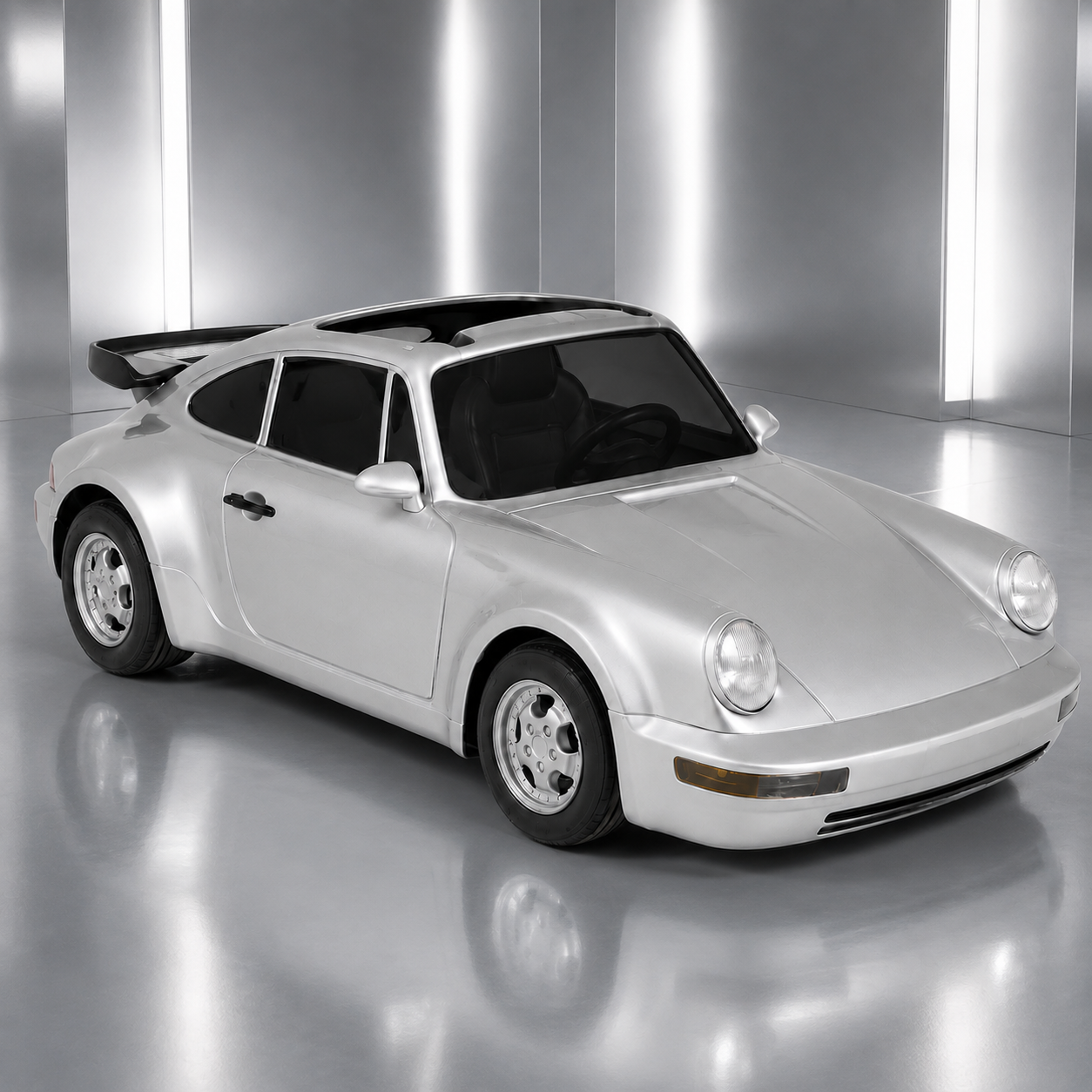
Yes. Our specialized styling and industrial design team supports complete exterior customization. We frequently develop vintage classical aesthetics for heritage theme parks, sleek modern aerodynamic enclosures for luxury hotel chains, and rugged, lifted heavy-duty chassis treatments for eco-safari parks. Body panels can be molded in color-impregnated ABS, fiberglass (FRP), or stamped automotive steel, finished in precise Pantone or RAL color codes matching your corporate brand identity.
Consult directly with our Dezhou factory engineering teams. Receive customized CAD dimensional specifications, torque simulation curves, homologation verification documents, and landed container freight quotes.