TÜV Rheinland Audited OEM / ODM Factory

Custom OEM 4 Seater Golf Cart Factories & Exporters

Global B2B procurement whitepaper, powertrain engineering blueprints, and direct container supply chain analytics for commercial dealerships and resort fleet operators.

Export-Ready Commercial Fleet Portfolio

Verified OEM 4-Seater Golf Carts & Specialized Utility Vehicles

Precision-manufactured at our Dezhou 14,200 m² facility with LiFePO4 battery integration, automotive electro-coating, and global homologation compliance.

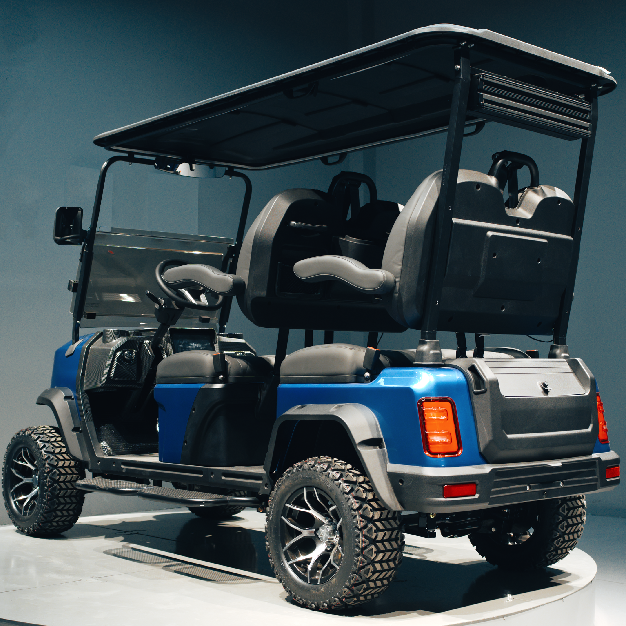
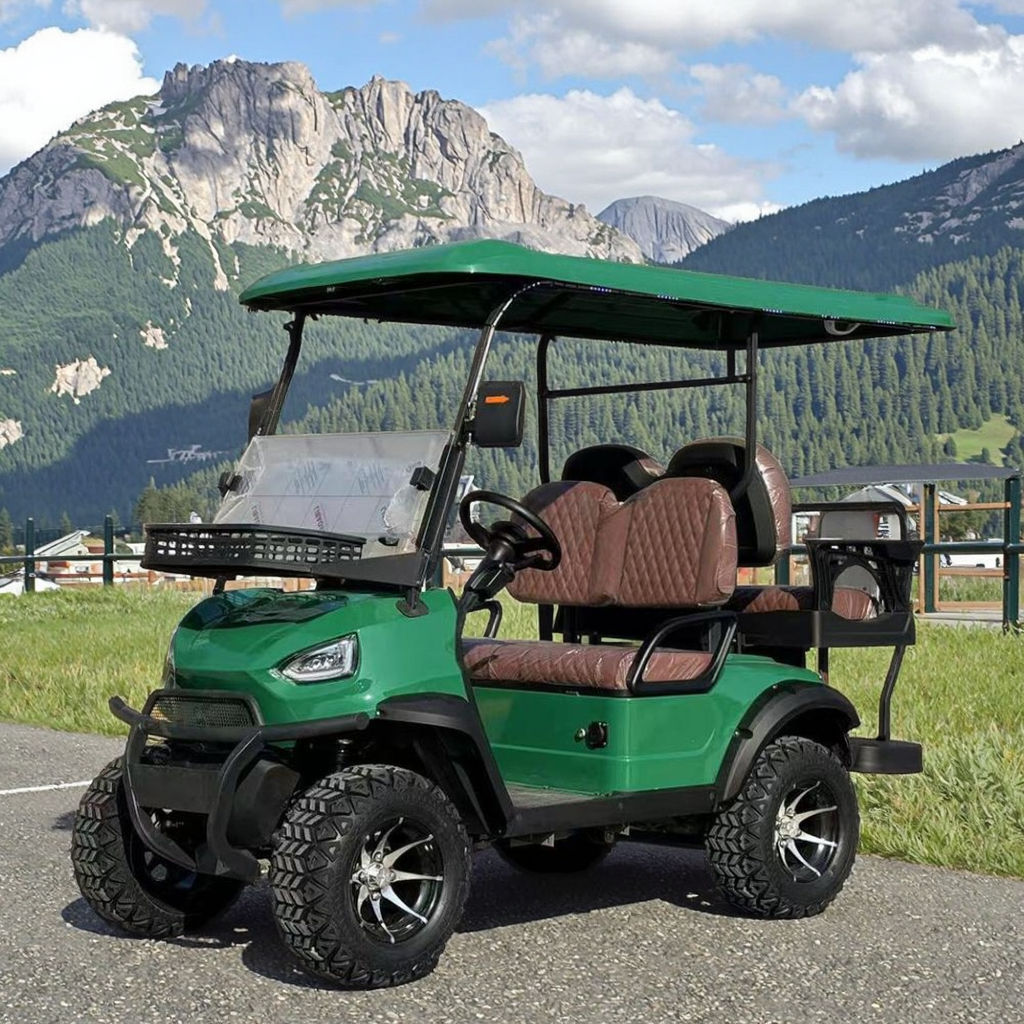
TONGCAI Street Legal Customizable Fast Delivery Electric 48v Lithium Battery 4 Seater Golf Cart Street Legal

TONGCAI Street Legal Electric 48V Lithium 4 Seater Golf Cart

  • Speed: 30–50 km/h Programmable
  • Range: Up to 90 km per charge
  • Battery: 48V Lithium LiFePO4
  • Chassis: Q235 Anti-Corrosive Tubular
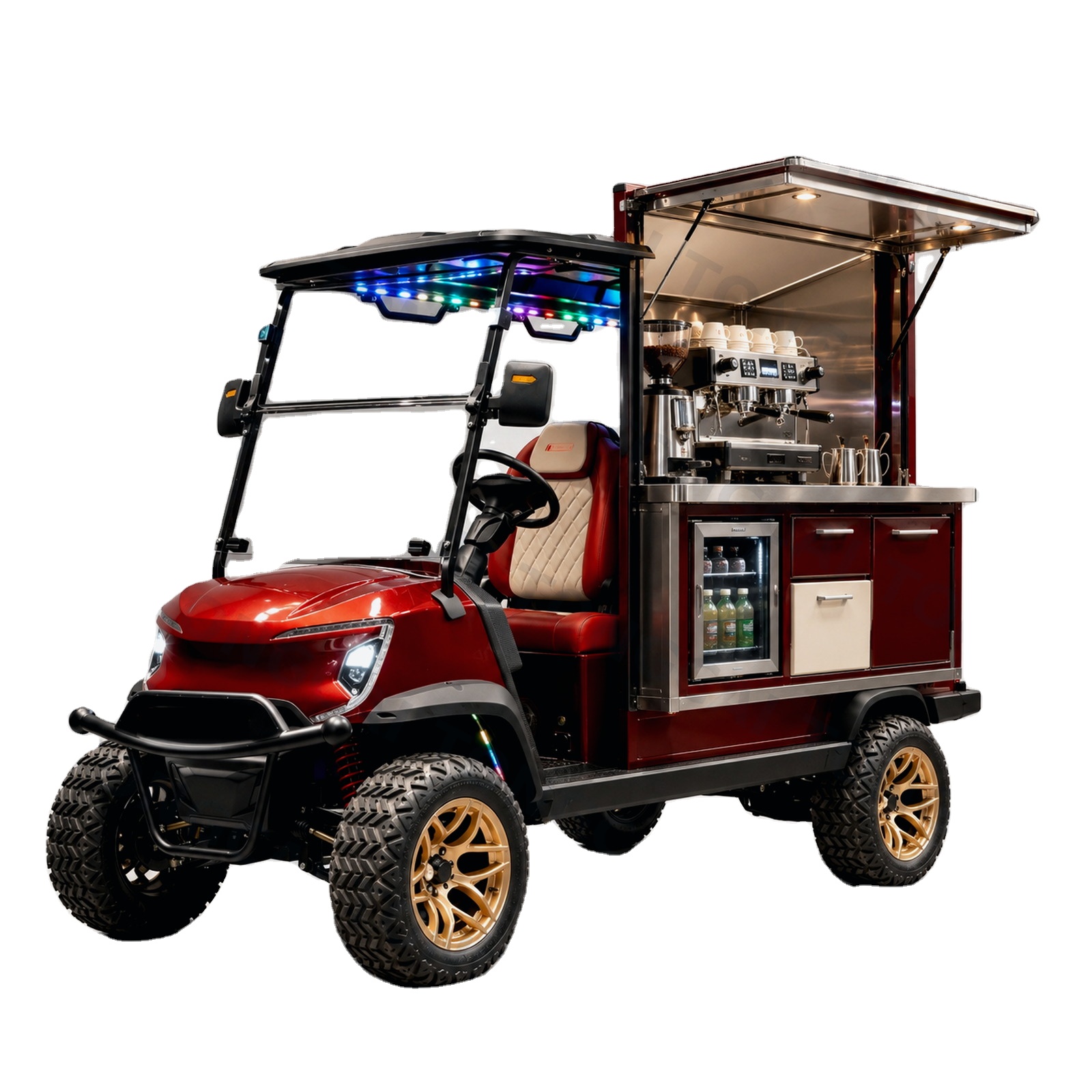
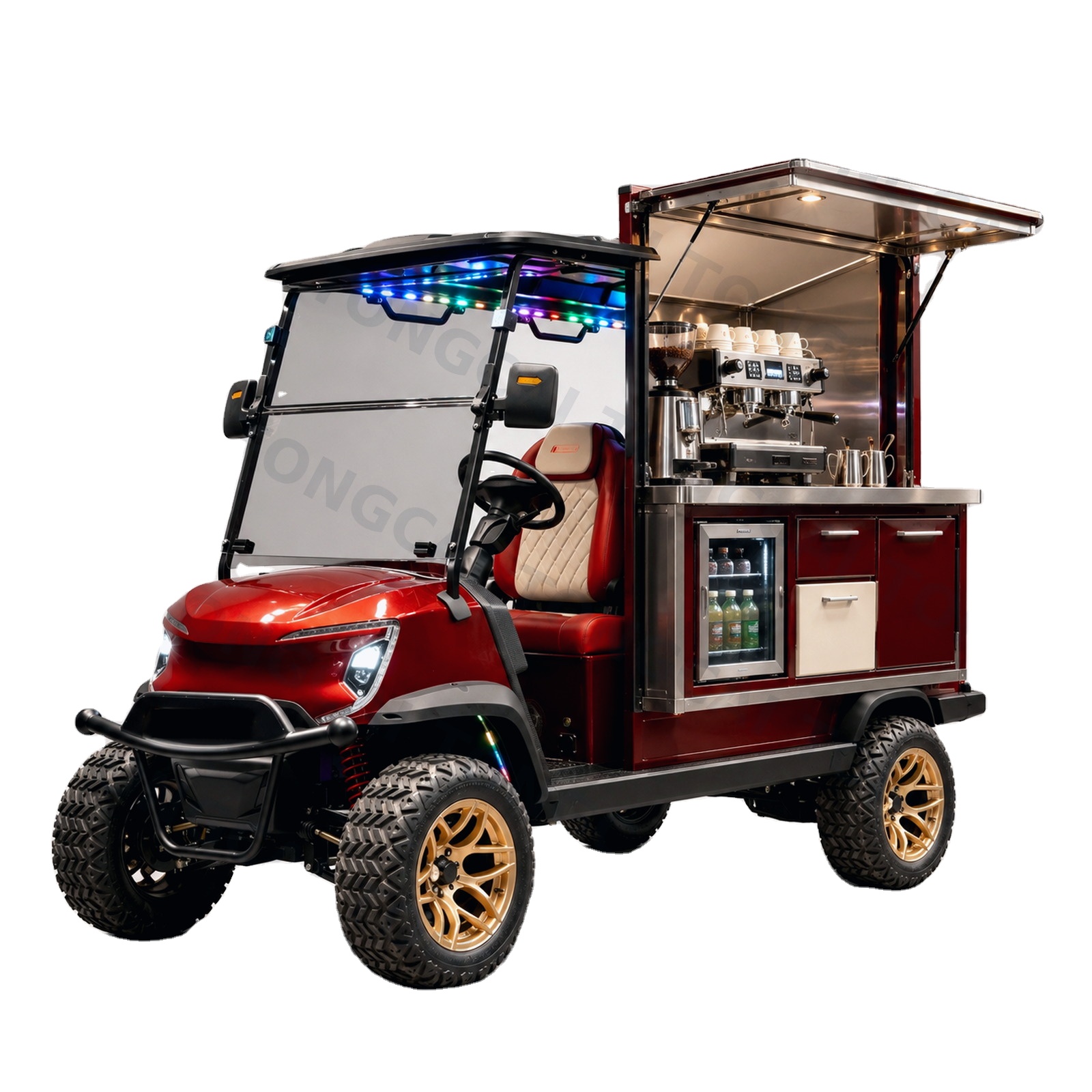
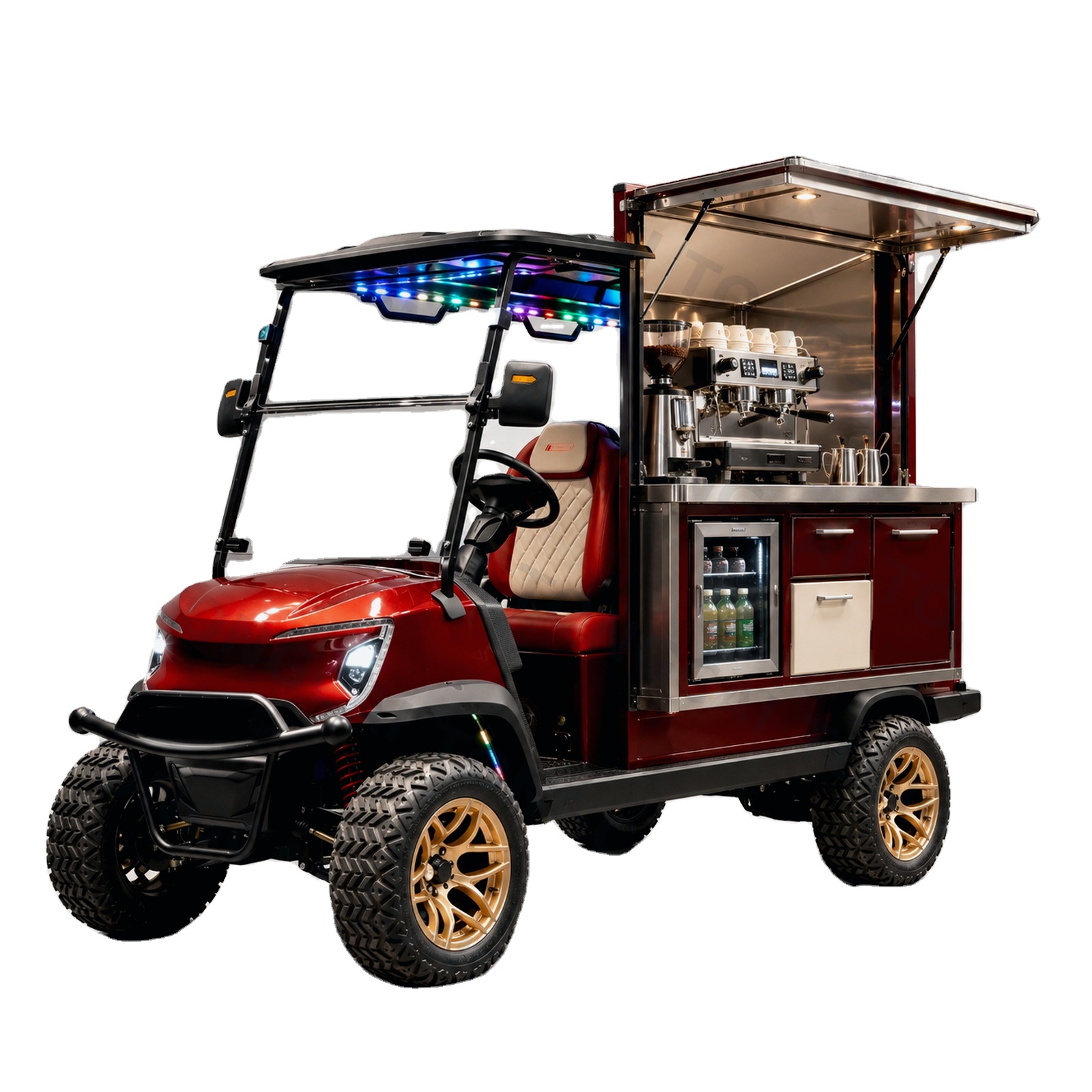
TONGCAI Small Electric Bakery Truck Custom Mobile Dessert Cart Commercial OEM

TONGCAI Electric Mobile Bakery & Dessert Truck

  • Application: Pedestrian & Shopping Streets
  • Fitout: Stainless Steel Food Counters
  • Motor: High-Torque AC Induction
  • Payload: Reinforced 800 kg Axle
TONGCAI Custom Built Bakery Food Cart Electric Mobile Snack Sales Truck Modular Utility

TONGCAI Custom Built Bakery Mobile Food Sales Cart

  • Configuration: Internal Electrical Bus-Bar
  • Bodywork: Thermal-Insulated Composite
  • Brakes: Dual Hydraulic Rear Discs
  • OEM Options: Integrated Logo Canopy
TONGCAI Custom Mobile Bakery Cart Electric Dessert Truck with Logo Branding Branding Ready

TONGCAI Mobile Bakery Truck with Logo Branding

  • Customization: Full Body Pantone Graphic Wrap
  • Electrical: 220V/110V Inverter Pre-wired
  • Battery: Deep-Cycle Gel / Lithium Options
  • Use-Case: Theme Parks & Luxury Resorts
TONGCAI Small Electric Ice Cream Truck Custom Mobile Dessert Cart for Scenic Spot Scenic Shuttle

TONGCAI Electric Ice Cream Truck for Scenic Spots

  • Cooling: Dedicated Compressor Circuit
  • Gradeability: 20% Incline Capability
  • Suspension: Independent Front Coil Springs
  • Safety: Front & Rear LED Warning System
TONGCAI Compact 4-Seater Electric Golf Cart AC Motor Course Master

TONGCAI Compact 4-Seater AC Motor Golf Cart

  • Turning Radius: Tight 3.4m Clearance
  • Drivetrain: 4.0 kW AC High-Efficiency
  • Endurance: 90 km Range on Fairways
  • Chassis: Heavy-Duty E-Coated Steel
TONGCAI Factory Custom Electric Bakery Cart Mobile Food Vending Truck Vending Unit

TONGCAI Factory Custom Electric Bakery Vending Cart

  • Layout: Dual Service Folding Hatches
  • Floor: Anti-Skid Aluminum Diamond Plate
  • Controller: Programmable Curtis / Enpower
  • Certification: ISO9001 / CE Structural
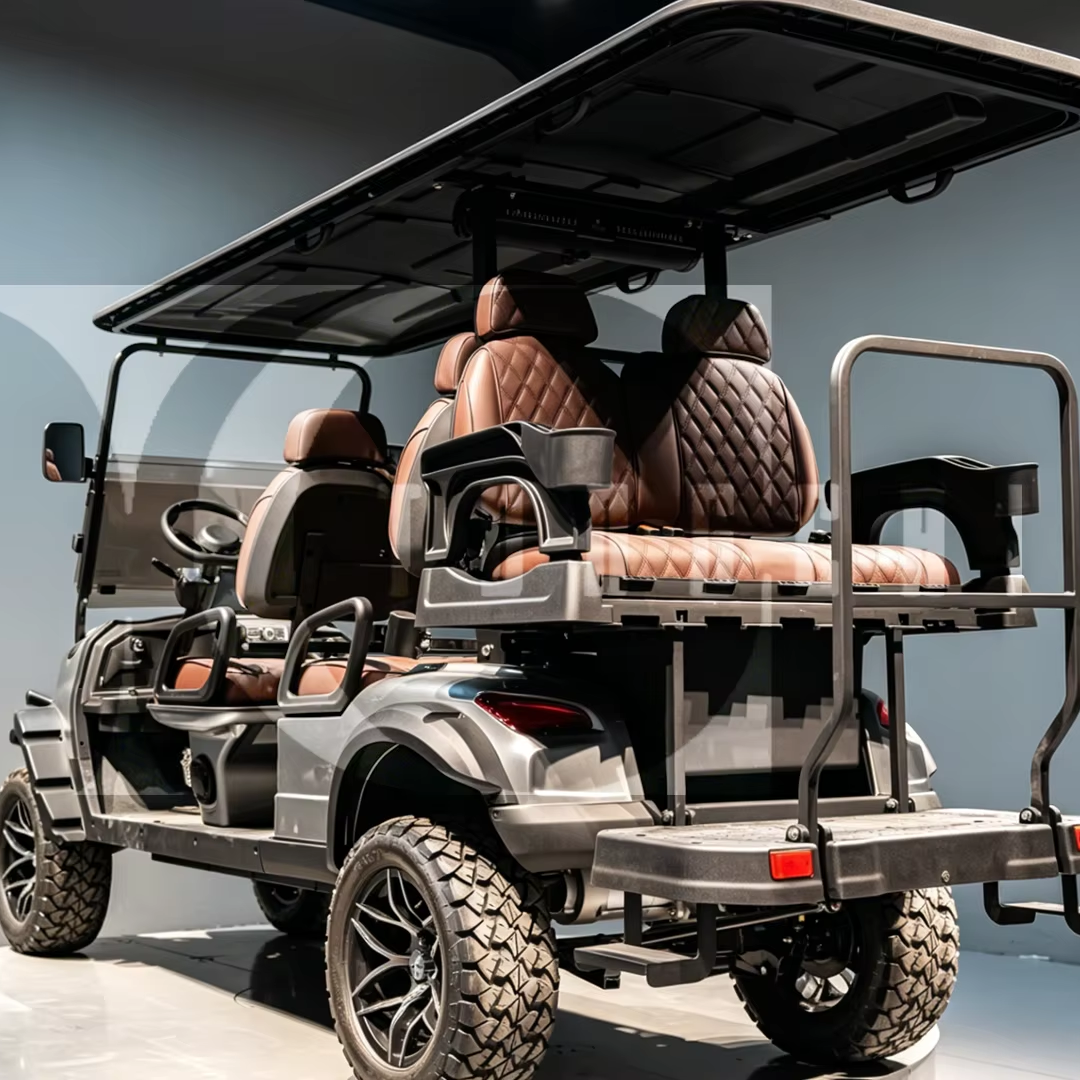
Tongcai 6 Seats Electric Golf Cart, CE Certified Upgraded Model Resort Elite

Tongcai 6-Seater CE Certified Resort Shuttle

  • Seating: 4 Forward + 2 Rear Flip-Bench
  • Protection: Marine Coastal Anti-Rust
  • Suspension: Lifted Heavy-Duty Double A-Arm
  • Approval: Full CE Directives Compliant
14,200m²
Modern Integrated Manufacturing Floor
140+
Audited Tier-1 Tier-2 Component Suppliers
61+
Dedicated Technicians, Engineers & QC Inspectors
100%
Finished Vehicle Road & Safety Dynamic Inspection
Engineering Whitepaper & Procurement Intelligence

The Architecture of Modern 4-Seater Low-Speed Vehicles (LSVs)

A technical guide for fleet directors, municipal buyers, and international importers evaluating structural integrity, drive systems, and electrical safety standards.

Structural Dynamics: Robotic Pipe Bending, High-Tensile Steel & Aluminum Frames

In low-speed electric utility vehicles (LSV) and golf carts, structural longevity is directly governed by frame metallurgy and weld consistency. Shandong CCB New Energy Machinery Co., Ltd. eliminates third-party frame sourcing by executing all laser pipe cutting, precision computer numerical control (CNC) bending, and robotically fixtured welding on-site in Tianqu Industrial Park, Dezhou.

Standard export models leverage structural Q235B cold-rolled steel tubing treated through a multi-stage cathodic electrophoretic deposition (E-coat) bath, followed by thermosetting polyester powder coating. This dual-layer surface protection delivers over 1,000 hours of continuous ASTM B117 salt-spray resistance—a vital specification for coastal golf links, tropical resorts, and humid maritime zones across North America, the Caribbean, Southeast Asia, and Mediterranean Europe. For ultra-lightweight performance applications, CCB engineers deploy 6061-T6 aviation-grade aluminum box sections, trimming curb weight by up to 34% while optimizing energy consumption curves and prolonging battery operational range per kilowatt-hour.

Drivetrain Engineering: AC Induction vs. PMSM Motors

Traditional DC brushed motors are obsolete in modern commercial fleets due to excessive brush wear, thermal buildup, and frequent commutator servicing. CCB 4-seater platforms exclusively integrate brushless three-phase AC induction motors (3.3 kW to 5.0 kW) or high-efficiency Permanent Magnet Synchronous Motors (PMSM) paired with intelligent, regenerative braking controllers (Curtis or Enpower programmable systems). PMSM architectures achieve up to 94% electro-mechanical efficiency, delivering maximum low-end torque for 25% hill climbs with full 4-passenger payload.

Lithium LiFePO4 Chemistry & Smart BMS Architecture

While deep-cycle flooded lead-acid batteries remain an entry-level option for price-sensitive bulk contracts, CCB champions modular Lithium Iron Phosphate (LiFePO4) energy storage. Operating across 48V, 60V, and 72V architectures, our LiFePO4 packs guarantee 3,500+ deep discharge cycles to 80% DOD (Depth of Discharge). Each battery pack incorporates an automotive-grade Battery Management System (BMS) with isolated CAN-bus data communication, mitigating over-current, cell under-voltage, and thermal runaway risks between -20°C and 55°C.

Suspension Geometry & Dual-Circuit Hydraulic Braking

Passenger safety across irregular fairway terrains, asphalt pathways, and gravel estate roads demands superior suspension geometry. CCB 4-seater models feature automotive-style independent MacPherson strut or Double A-arm front suspension paired with hydraulic coil-over damping. The rear axle utilizes leaf-spring progressive suspension with hydraulic shock absorbers. Stopping power is delivered through four-wheel hydraulic disc brakes complemented by an automatic electromagnetic parking brake (EMB) that instantly locks upon vehicle stall or pedal release.

Procurement Specification Benchmark

Standard Assembly Assemblers vs. CCB Integrated OEM Manufacturing

Evaluating total manufacturing capabilities is essential to mitigate field failure rates, warranty overheads, and non-compliant chassis geometry.

Evaluation Parameter CCB Integrated Factory (Dezhou) Generic Trading Intermediary Traditional Backyard Assembler
Chassis Fabrication ✓ In-House CNC Pipe Bending & Laser Cutting Outsourced (No quality tracing) Manual welding on non-rigid jigs
Anti-Corrosion Surface Treatment ✓ Multi-Stage Electrophoresis + Powder Bake Unknown standard spray primer Manual airbrush single-coat lacquer
Powertrain Homologation ✓ CE Machinery / EMC Certified & TÜV Verified Self-declared unverified papers Non-certified domestic components
Wiring Harness Quality ✓ Automotive IP67 Waterproof Connectors Standard domestic industrial wiring Unsealed taped splicing terminals
Battery Options ✓ Grade-A LiFePO4 (CAN-bus BMS) & Lead-Acid Re-wrapped B-grade lithium cells Standard maintenance lead-acid only
Pre-Shipment Testing ✓ 100% Dynamic Roller, Brake & Incline FQC Visual external check only Random spot sampling (1-2 units)
Certified Manufacturing Lifecycle

12-Stage Factory Quality Protocol for Export Consignments

Every 4-seater chassis manufactured by Shandong CCB New Energy Machinery Co., Ltd. passes a serialized inspection sequence before crating.

Stages 01 – 03

Raw Steel Processing

Fiber laser cutting of steel box sections, automated deburring, and CNC pipe bending ensuring millimeter-accurate roof strut and A-frame geometry.

Stages 04 – 06

Welding & Surface Dip

Clamped robotic fixture welding, weld seam acoustic testing, followed by deep immersion phosphating, electro-coating, and high-temp baking ovens.

Stages 07 – 09

Sub-Assembly & Powertrain

Integrated rear axle installation, hydraulic brake line bleeding, steering rack alignment, and high-voltage wiring harness routing with IP67 grommets.

Stages 10 – 12

FQC & Dynamometer Test

Full dynamometer roll testing, brake balance validation, water spray monsoon ingress testing, and final packaging in reinforced steel shipping cradles.

Industry Horizon

Procurement & Technological Evolution in the Golf Cart Ecosystem

Key strategic indicators every importer and commercial fleet purchaser must evaluate for long-term residual value and operational compliance.

1. Fleet Telematics & Remote Geofencing (IoT)

Modern golf cart procurement is transitioning from mechanical hardware sourcing to integrated software management. Forward-thinking resorts and municipal fleets require integrated 4G/GPS telematics modules. These controllers enable cloud-based geofencing to automatically limit vehicle speed within restricted fairway zones, deliver automated battery state-of-health (SoH) diagnostics, and track fleet locations in real time, drastically mitigating equipment abuse and lowering insurance premiums.

2. Monocrystalline Solar Roof Trickle Systems

Energy self-sufficiency represents a significant technological leap. CCB offers custom-integrated flexible and rigid monocrystalline solar panels flush-mounted directly onto the ABS/PP molded composite hardtops. Generating between 150W to 350W of continuous trickle charge during daylight operation, these solar roofs offset parasitic auxiliary loads (headlights, sound bars, USB chargers) and extend real-world operating range by 15% to 25%, effectively reducing utility grid dependency for remote resorts.

3. Transition to Harmonized LSV / L7e Safety Standards

Regulatory bodies across the United States (DOT/FMVSS 500) and the European Union (Regulation (EU) No 168/2013 L6e/L7e) are enforcing stricter street-legal compliance for Neighborhood Electric Vehicles (NEV). Modern 4-seater golf cart tenders now demand DOT-certified AS4 laminated glass windshields with electric wipers, three-point inertia seatbelts, side rearview mirrors with integrated LED turn indicators, illuminated license plate brackets, and dual-beam LED road lighting.

Procurement Clarity & Risk Mitigation

Frequently Asked Questions: Global Sourcing & Custom OEM Orders

In-depth responses covering battery logistics, container packing schemes, tooling lead times, and international homologation.

What are the minimum order quantities (MOQ) and lead times for custom OEM 4-seater golf carts? +

For standard catalog configurations or initial dealer evaluation prototypes, CCB supports a Minimum Order Quantity (MOQ) of 1 unit. This allows international distributors to audit driving dynamics, structural finish, and regional homologation before issuing full container consignments.

For full OEM custom projects—including private-label brand badging, custom molded front grilles, dedicated automotive paint matching (Pantone/RAL codes), bespoke seat stitching, and customized CAN-bus controller programming—the typical production lead time is 15 to 25 calendar days depending on container volumes. Expedited sample air-shipment or sea-freight dispatch protocols are managed directly via our dedicated export logistics desk.

Should our dealership purchase Lithium (LiFePO4) or Lead-Acid battery systems? +

The decision hinges upon Total Cost of Ownership (TCO) vs. initial capital expenditure:

  • Lithium Iron Phosphate (LiFePO4): Recommended for commercial rental fleets, luxury resorts, and high-frequency golf clubs. While carrying a 20-30% higher initial equipment cost, lithium batteries eliminate acid maintenance, reduce overall cart curb weight by over 130 kg (saving grass compaction and tire wear), accept rapid opportunist charging (100% in 2.5 to 3.5 hours), and provide an operating lifespan exceeding 8 to 10 years (3,500+ cycles).
  • Lead-Acid (Deep Cycle): Suitable for price-sensitive bulk procurement or seasonal operations where vehicles sit idle for extensive months. However, lead-acid systems require strict distilled water replenishing, weigh significantly more, suffer from capacity loss under high ambient temperatures, and demand replacement every 2 to 3 years (approx. 500-700 cycles).
How do you optimize 4-seater golf cart packaging for international container shipping? +

To maximize freight efficiency and prevent maritime transit vibration damage, CCB engineers two packaging methodologies tailored to distributor assembly capability:

  • Semi-Knocked Down (SKD) in Heavy-Duty Iron Frames: Roof structures, windshields, and front wheels are detached and secured within an anti-crush welded steel skeleton lined with heavy-gauge moisture-barrier polyethylene wrap. A standard 40-foot High Cube (40HQ) container accommodates up to 18 to 22 units of 4-seater carts, dramatically minimizing the per-unit sea freight allocation.
  • Completely Built-Up (CBU): Designed for dealers seeking immediate roll-off capability without on-site workshop assembly. A 40HQ container typically accommodates 8 to 10 units in ready-to-drive status, secured with rated ratcheting tie-down straps to internal container d-rings.
What international vehicle certifications and factory audit documentations are available? +

Shandong CCB New Energy Machinery Co., Ltd. is an on-site verified manufacturer audited by TÜV Rheinland. For vehicle compliance, our electric golf carts and sightseeing shuttles carry comprehensive CE Certificates under the European Machinery Directive (2006/42/EC) and Low Voltage / EMC Directives.

For US clients, vehicles can be built to comply with Federal Motor Vehicle Safety Standard FMVSS 500 (Low-Speed Vehicles), incorporating necessary VIN coding, certified safety glass, approved lighting arrays, and speed governor limiters (maximum 25 mph / 40 km/h). Furthermore, our lithium battery systems hold valid UN38.3 test reports, MSDS documentation, and sea freight marine safety certificates (IMDG) for straightforward international customs clearance.

Can CCB manufacture specialized commercial variations, such as bakery, coffee, or utility carts? +

Yes. Beyond traditional 4-passenger and 6-passenger leisure golf carts, our Dezhou factory houses a dedicated specialty body fabrication division. We design and manufacture mobile electric bakery carts, dessert trucks, ice cream vending vehicles, and custom resort cargo shuttles.

These commercial builds include customized fiberglass reinforced polymer (FRP) and 304 food-grade stainless steel cabinetry, integrated dual-circuit power inverter loops (110V/220V auxiliary outlets), roll-up sales shutters, branded LED exterior canopies, and insulated cold-storage compartments engineered directly onto our heavy-duty EV chassis.

How does CCB handle international warranty claims, replacement parts, and technical support? +

All CCB structural chassis frames are backed by a 5-year structural warranty. Electric drivetrains—including motors, programmable controllers, and LiFePO4 battery packs—carry a 2 to 3-year limited warranty.

To support global dealerships, we provide a recommended Consumable Fast-Wear Spare Parts Package (brake pads, suspension bushings, solenoid relays, light assemblies, and tire/wheel sets) alongside container shipments. In the event of field failure, our after-sales engineering desk provides remote diagnostics via video/data logs, schematic circuit wiring diagrams, and rapid dispatch of replacement components via DHL/FedEx within 48 business hours.

Partner with a Verified Tier-1 Custom Golf Cart Exporter

Direct factory pricing, dedicated OEM/ODM engineering teams, and strict TÜV Rheinland-inspected assembly. Contact our export desk today for wholesale catalogs, custom body blueprints, and container loading schedules.

Contact Us