0%

The right Golf Buggy should fit the course you play, the people you carry, and the distance you cover. A compact two-seater may suit smooth resort paths, while hilly terrain, longer rounds, or frequent passenger use can call for stronger power, better suspension, and more capacity. The choice is practical. It is also easy to get wrong.

The National Golf Foundation’s 2024 industry overview reported that 26.6 million Americans played golf on a course in 2023. That figure describes golfers, not buggy ownership, but it shows the scale of the playing audience these vehicles serve. A useful comparison starts with real conditions: note the steepest slope on your regular route, check how much space your clubs need, and consider where the buggy will charge or park. Small details matter.

I can’t responsibly attribute a golf-buggy-specific quotation to a named expert without a verifiable source. Rather than invent one, this guide uses a simple test: “Choose for your actual course, not the showroom floor.” Think about range, comfort, maintenance, and storage before comparing features. A glossy spec sheet can be persuasive. It cannot tell you how a buggy will feel on a wet path or after eighteen holes.

How to Choose the Best Golf Buggy for Your Needs

Identify Your Golfing Needs and Typical Course Conditions

Before comparing golf buggies, consider how you actually play. Do you walk all 18 holes, carry extra layers, or share equipment with a playing partner? A push buggy may suit a mostly flat course and a light bag, while an electric model can reduce effort on long rounds or steep routes. Think about storage, too: scorecards, water, and a waterproof jacket need a secure place. Small details matter.

Then picture your usual course conditions. Firm paths and gentle slopes are very different from soft ground, narrow bridges, and rolling fairways. Larger wheels can help on uneven turf, but they may make a buggy bulkier to store. Check whether the course requires buggies to stay on designated paths, especially after rain. That changes everything. It is easy to overestimate how often you will face hills, or underestimate how tiring repeated climbs feel late in a round. Keep notes from a typical game: where you walk, where the ground slows you, and what you wish you had brought. Your first choice may not be perfect. That is useful information, not a failure.

Compare the Main Types of Golf Buggies

How to Choose the Best Golf Buggy for Your Needs

Compare the Main Types of Golf Buggies

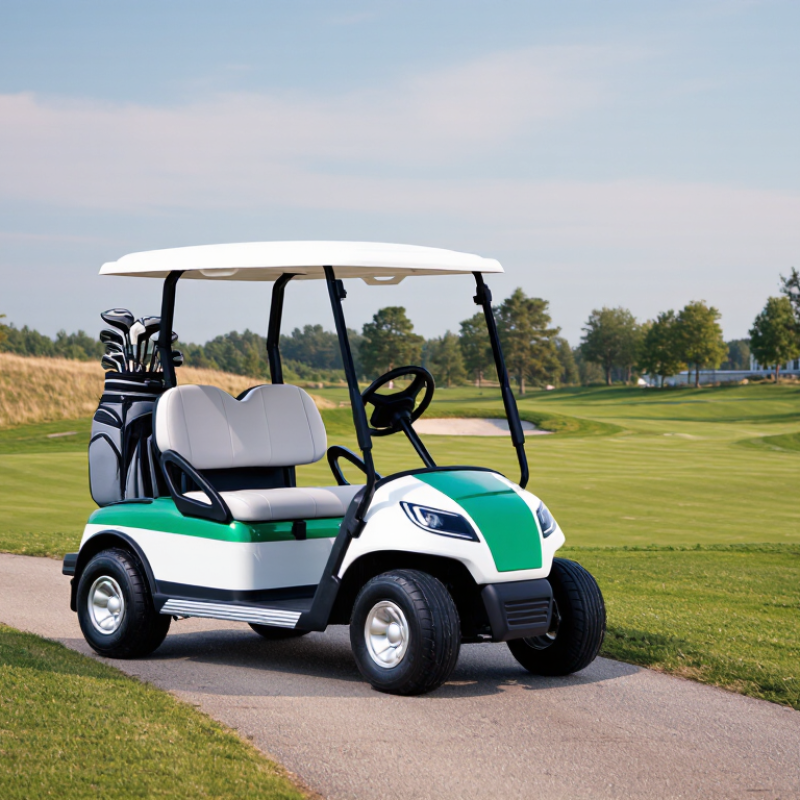
A push or pull trolley is light, simple, and usually the easiest option to store. It suits golfers who enjoy walking and carry only a modest load. An electric trolley handles the effort of moving clubs, which helps on hilly courses or during long rounds. It needs charging, though, and its battery adds weight. A riding buggy reduces walking and can be useful when distance or mobility is a concern. But it costs more to use and may be restricted by course conditions or local rules. Not every choice is obvious.

The R&A’s Golf Around the World 2023 report counted 66.6 million on-course golfers across 146 countries. That global variety matters: course terrain, weather, and access rules differ, so a popular option elsewhere may not fit your regular course. Compare the three types by your usual route, physical comfort, storage space, and budget—not just the price tag. A compact trolley can still feel awkward on steep slopes. That is easy to overlook.

Tips: Ask your course which buggy types it allows. Test folding and steering before buying. For an electric model, check battery range against your longest usual round. If you ride, confirm availability and any booking conditions.

Evaluate Range, Power, Handling, and Maintenance

Range figures can mislead when they come from flat, dry test conditions. Think about your usual course, then add distance for detours, hills, and a return trip. If the course is hilly, check how the buggy performs under load, not just its advertised range. A half-full battery far from the clubhouse is no fun. Test it loaded.

Power should match the terrain and the weight it carries. On steep paths, a responsive motor can help maintain a steady pace, while a smooth start reduces jolts near tees. Handling matters too: try tight turns, uneven ground, and braking on a gentle slope. A wide stance may feel steadier, but check that the buggy still fits your storage space and course paths. I once focused too much on speed; easy steering would have mattered more during a long round.

Ask how often the battery needs charging and whether its condition is easy to monitor. Check tire wear, folding joints, and accessible parts for routine cleaning. Grass clippings and damp soil collect in corners. They are easy to miss. Read the care instructions, and be realistic about the time you will spend on upkeep. A model that suits your habits is more useful than one with impressive figures you rarely need.

How to Choose the Best Golf Buggy for Your Needs

Suggested decision weights for comparing golf buggies. Adjust them to match your course, typical round length, terrain, and willingness to perform routine maintenance.

How to use it: Compare each buggy on range, power, handling, and maintenance, then apply these suggested weights to your ratings. Check the maker’s specifications and maintenance guidance for the models you are considering; actual performance varies by buggy, load, terrain, and conditions.

Check Comfort, Safety, Storage, and Accessibility

A good golf buggy should feel steady after several holes, not just comfortable in a showroom. Sit in it for a few minutes and check lumbar support, legroom, and whether the controls are easy to reach. On uneven paths, a firm grab handle and predictable braking matter more than a plush seat. A 2017 analysis in the American Journal of Preventive Medicine counted 147,696 golf-cart injuries treated in US emergency departments from 1990 to 2015. That history is a reason to inspect seat belts, mirrors, lights, and the buggy’s stability before choosing.

Storage needs are practical, not glamorous. Check whether bags fit without blocking the driver’s view, and whether a bottle or rain layer stays secure over bumps. Accessibility deserves the same attention: measure the step-in height, test the turning space, and see whether a passenger can enter and exit without twisting awkwardly. The World Health Organization’s 2022 Global Report on Health Equity for Persons with Disabilities estimates that 1.3 billion people, or about 16% of the global population, experience significant disability. That figure makes adaptable access relevant to far more households than many buyers assume. Small details matter. A quick test on flat pavement can be misleading; try a gentle slope and a tight turn, too. I would not rely on a feature list alone. A buggy that looks roomy may still feel cramped once bags and passengers are aboard.

Match Features to Your Budget and Test Before Buying

Set a realistic budget before comparing golf buggies. Include likely costs for a charger, battery replacement, and routine servicing, not just the purchase price. Then decide which features matter on your course. Hilly fairways call for dependable braking and stable handling; long walks make battery range and carrying weight more important. A compact folding frame can help when boot space is limited. Nice extras are tempting. But they may add cost without making your round easier.

Before buying, test the buggy with your usual golf bag and a few clubs inside. Push it across uneven ground, turn around a tight corner, and check how easily it folds. Try the controls while wearing your normal golf glove. Notice whether the handle feels comfortable and whether the bag stays secure. If possible, test the brakes on a gentle slope in a safe area. Ask how range is measured, since hills, load, and weather can affect battery performance. A short test cannot predict every course condition. Still, it can reveal an awkward control or a frame that feels heavier than expected. I might overvalue one feature during a showroom visit, so a written list of must-haves can keep the decision grounded.

How to Choose the Best Golf Buggy for Your Needs - Match Features to Your Budget and Test Before Buying

Compare the main options by typical use, approximate US price, and practical checks to make before you buy.

Decision factor Manual push cart Electric golf trolley Ride-on golf buggy
Typical purchase budget About $100–$400, depending on frame, folding design, and accessories. About $500–$2,000; remote control and advanced features can increase the price. Often several thousand dollars new; price varies substantially with seating, battery, condition, and equipment.
Best suited to Golfers who prefer to walk, want a simple setup, and are comfortable pushing their clubs. Golfers who want to walk while reducing the effort of moving their clubs. Golfers who need or prefer seated transport, or courses and properties where riding is permitted.
Terrain and handling Three-wheel models are generally easy to steer; check stability on slopes and uneven paths. Look for a stable frame, suitable wheel tread, and reliable speed control for the terrain you play. Check ground clearance, braking, turning space, and whether the course allows the vehicle on its paths or fairways.
Portability and storage Folding frames are convenient for a car trunk; compare folded size and lifting weight. Battery and motor add weight. Check the folded dimensions and whether the battery is removable. Requires dedicated storage and transport planning; confirm garage space, charging access, and trailer needs if applicable.
Power and running costs No battery or charging required; routine costs are generally limited to upkeep and replacement parts. Battery life depends on battery type, age, course conditions, and load. Confirm replacement cost and charger compatibility. Compare electric and fuel-powered running costs, servicing needs, and the availability and cost of replacement batteries or parts.
Useful features Brake, adjustable handle, scorecard holder, cup holder, and a secure bag support. Battery charge indicator, speed control, parking brake, and a handle that adjusts to your height. Seat belts where fitted, lights for permitted use, weather protection, secure storage, and accessible controls.
Test before buying Fold and unfold it, load your golf bag, push it on a slope, and check that the brake holds. Test start, stop, speed adjustment, turning, and braking. Ask how the battery performs over a typical round. Take a supervised test drive. Check steering, braking, seat comfort, visibility, noise, and safe entry and exit.
Key trade-off Lowest cost and simplest maintenance, but you provide all the pushing effort. Less effort moving clubs than with a push cart, but costs more and needs charging and battery care. Offers seated transport, but has the highest purchase, storage, maintenance, and access requirements.
Before you commit Verify that it fits your bag and vehicle, and that its folded size suits your storage space. Check the warranty, battery replacement terms, charger, and whether the trolley is suitable for your course. Check local rules, course policies, registration or insurance requirements where applicable, and the full cost of ownership.

Price ranges are indicative estimates in US dollars, not quotes. Actual prices and permitted buggy use vary by location, seller, course, and configuration.

FAQS

How should I estimate the buggy’s usable range?

Start with your usual route, then allow extra distance for hills, detours, and the return trip. Test it with your golf bag aboard. A flat test may mislead.

What should I test on hilly or uneven paths?

Check whether the motor keeps a steady pace under load. Try a tight turn, uneven ground, and braking on a gentle slope. Smooth starts matter near tees.

Which maintenance details should I check?

Ask how often the battery needs charging and how easily you can monitor it. Inspect tire wear, folding joints, and accessible cleaning areas. Grass and damp soil collect in corners. Easy to miss.

How can I judge comfort and safety?

Sit for several minutes. Check legroom, lumbar support, and whether controls are easy to reach. Inspect the grab handle, brakes, seat belts, mirrors, lights, and stability.

What accessibility details are worth testing?

Measure the step-in height and turning space. Check whether passengers can get in and out without awkward twisting. A roomy-looking buggy may feel cramped.

How can I check storage before buying?

Load your usual golf bag and check that it does not block the driver’s view. Secure a bottle and rain layer, then test them over bumps.

What costs should I include in my budget?

Allow for the charger, battery replacement, and routine servicing. Match features to your course. A folding frame may help when boot space is limited.

What should I do during a test drive?

Wear your normal golf glove and try the controls. Push the buggy over uneven ground, turn around a tight corner, and fold it. Test brakes safely. I may overvalue one feature in a showroom.

Conclusion

Choosing the right Golf Buggy starts with understanding how and where you play. Consider how often you golf, the terrain and distance of your usual courses, and whether you need a buggy for one rider or more. Compare the main types, such as manual push models and powered options, then assess range, power, handling, and the effort required to maintain each one. A buggy that suits a flat course may not perform as well on steep or uneven ground.

Comfort, safety, storage, and accessibility also matter, especially if you spend long hours on the course or carry extra equipment. Set a realistic budget and prioritize features that address your needs rather than paying for extras you may not use. Before buying, test the buggy where possible to check that it feels stable, easy to control, and comfortable to use.

Amelia

Amelia

Amelia is a professional marketing specialist with a deep understanding of her company’s products and the needs of the people who use them. She regularly contributes expert articles to the company website, making complex product details clear, practical, and easy to apply. Through careful research......